
14 Cozy Living Room Ideas That Feel Expensive (But Totally Aren’t)
If your living room feels like it’s missing something but you can’t quite put your finger on what — you’re not alone. Most of us aren’t working with designer budgets or perfectly proportioned spaces. We’re working with what we have, wishing it looked a little more intentional.
The good news? Cozy, beautiful living rooms aren’t about spending more. They’re about knowing which details actually matter. Here are 15 ideas that genuinely work — warm, layered, and Pinterest-worthy without the price tag.
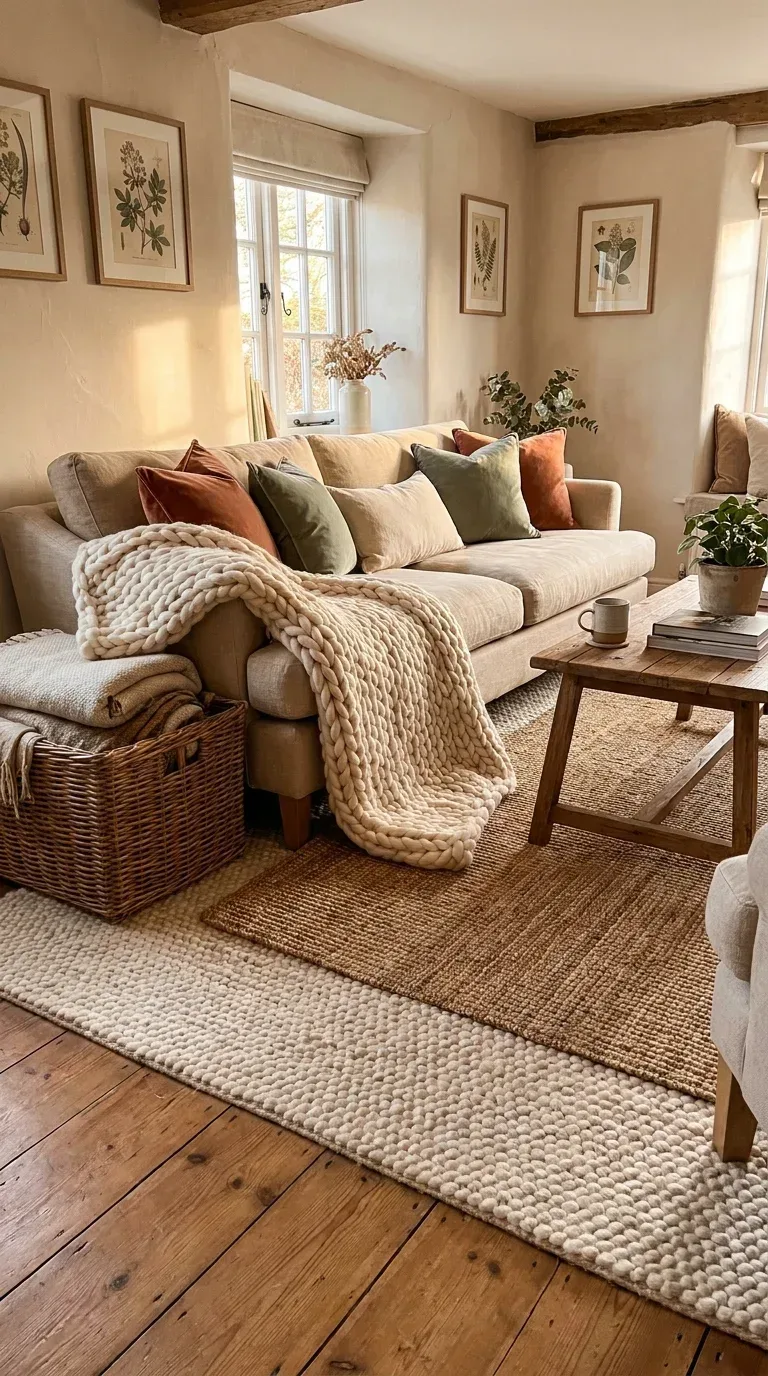
Layer Textiles for Instant Warmth
Nothing makes a living room feel more pulled-together than layered textiles — and it’s easier than it sounds. Start with a neutral base (your sofa, your rug) and then pile on a throw blanket, two or three cushions in varying textures, and a smaller accent rug if you have one. Mix chunky knit with velvet, linen with cotton. The layering is what creates that “I actually live here and love it” feeling that photos can’t fake. You can find beautiful throw blankets for under $30 at most home stores.
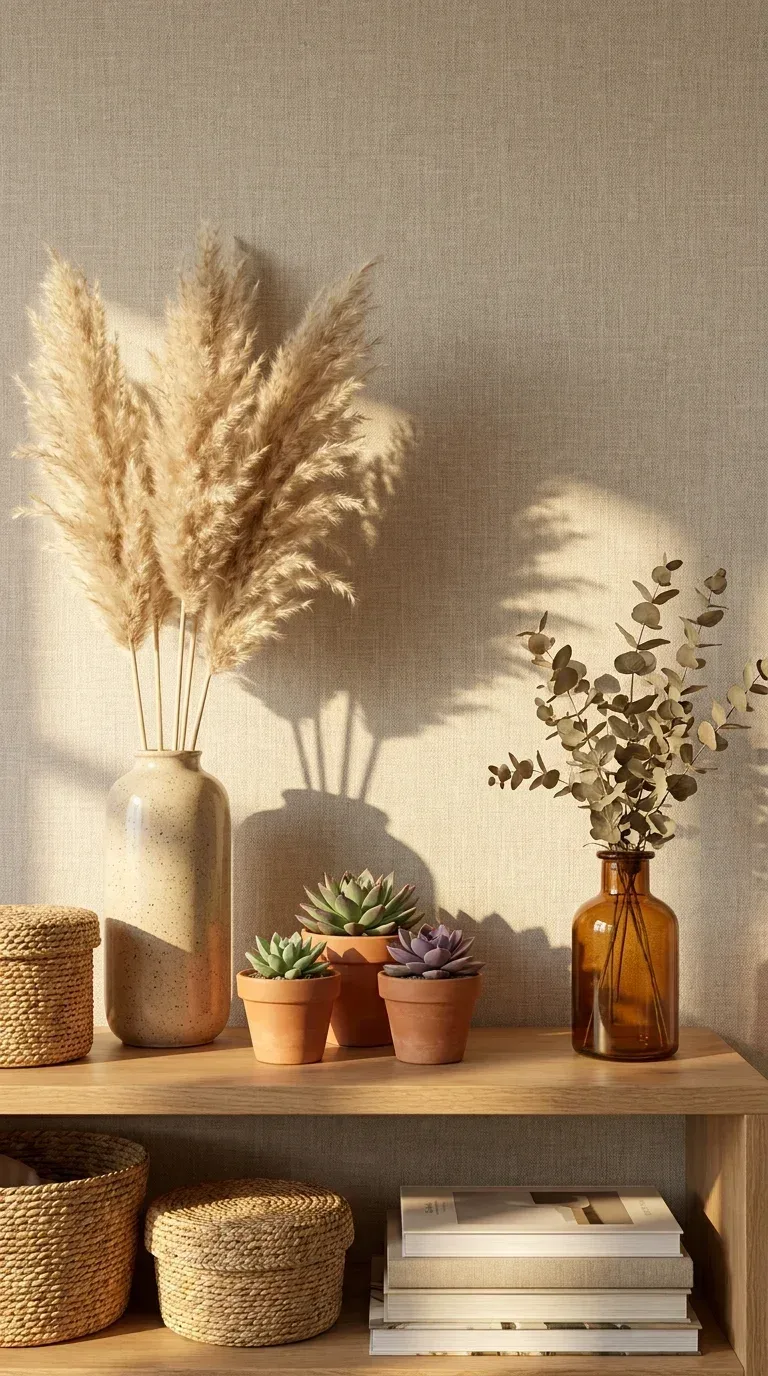
Bring the Outdoors In With Dried Botanicals
Fresh flowers are beautiful but pampas grass, dried eucalyptus, and cotton stems last forever and cost a fraction of the price. A tall ceramic vase with a bundle of dried pampas grass in a corner instantly adds height, texture, and that editorial quality you see all over Pinterest. Unlike real plants, you don’t need a green thumb — just a nice vase and a corner that needs something. Check Etsy or your local craft store for affordable bundles.
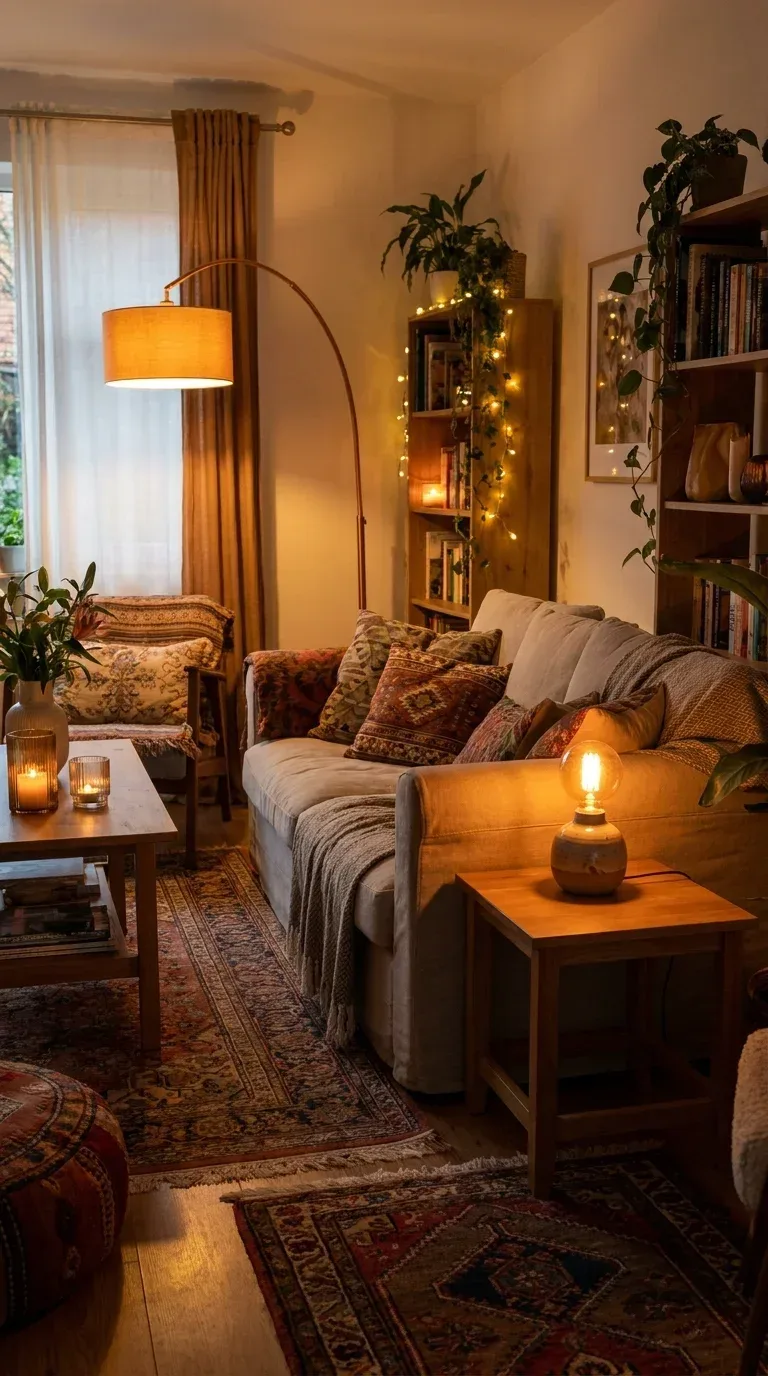
Upgrade Your Lighting With Warm Bulbs and Layered Sources
This is honestly the single fastest way to transform any room. Swap every overhead bulb for a warm-toned option (look for 2700K on the box), then add a floor lamp in one corner and a table lamp on a side table. Turn off the overhead light entirely in the evenings. That layered, warm glow is what makes rooms look like the photos you save — it costs about $30 in bulbs and a secondhand lamp or two. Overhead lighting is a cozy room’s worst enemy.
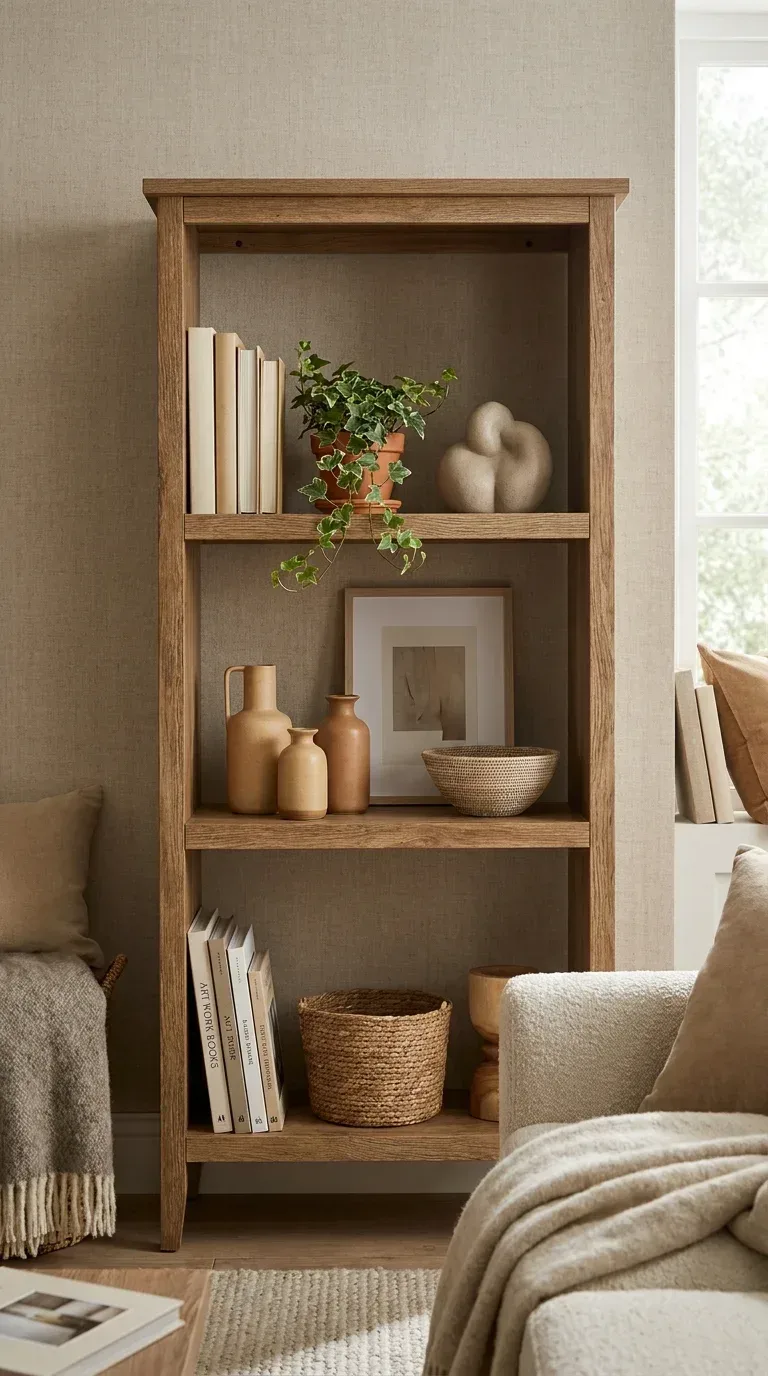
Style Your Shelves in Threes
The rule of three is a design principle that genuinely works: group objects in odd numbers, and suddenly a shelf looks styled instead of cluttered. Stack two or three books horizontally, add a small plant or a candle, and one taller object like a vase or sculpture. Repeat that rhythm across the shelf, leaving some breathing room between groups. You probably already have everything you need — it’s just about rearranging, not buying more.
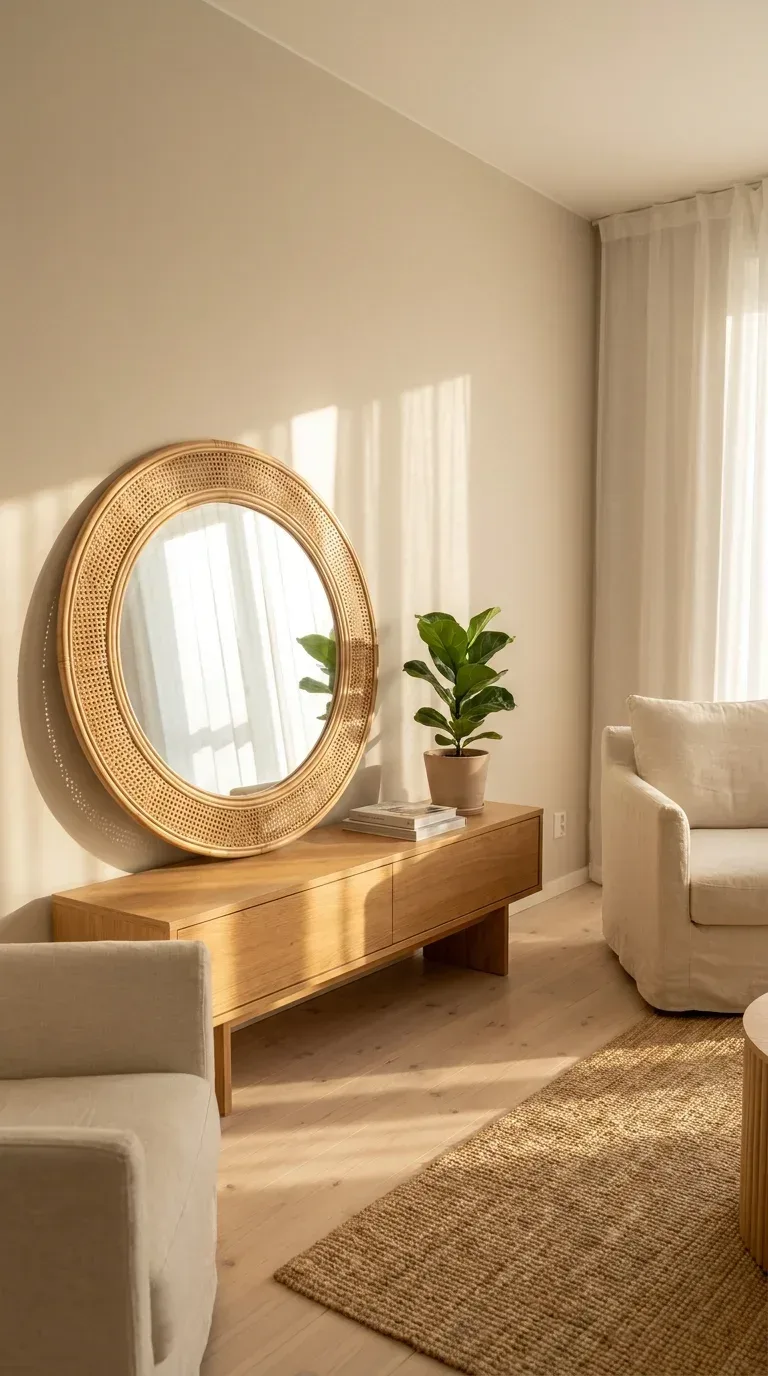
Add a Large Mirror to Open Up the Space
A large mirror does three things at once: it reflects light, makes the room feel bigger, and adds a decorative focal point. Lean it against a wall for an effortlessly casual look, or hang it above a console or fireplace. Round mirrors with rattan or wooden frames are especially popular right now and work in almost any style. Thrift stores and Facebook Marketplace are great places to find them — a $20 yard sale mirror can look stunning with a $5 can of spray paint on the frame.
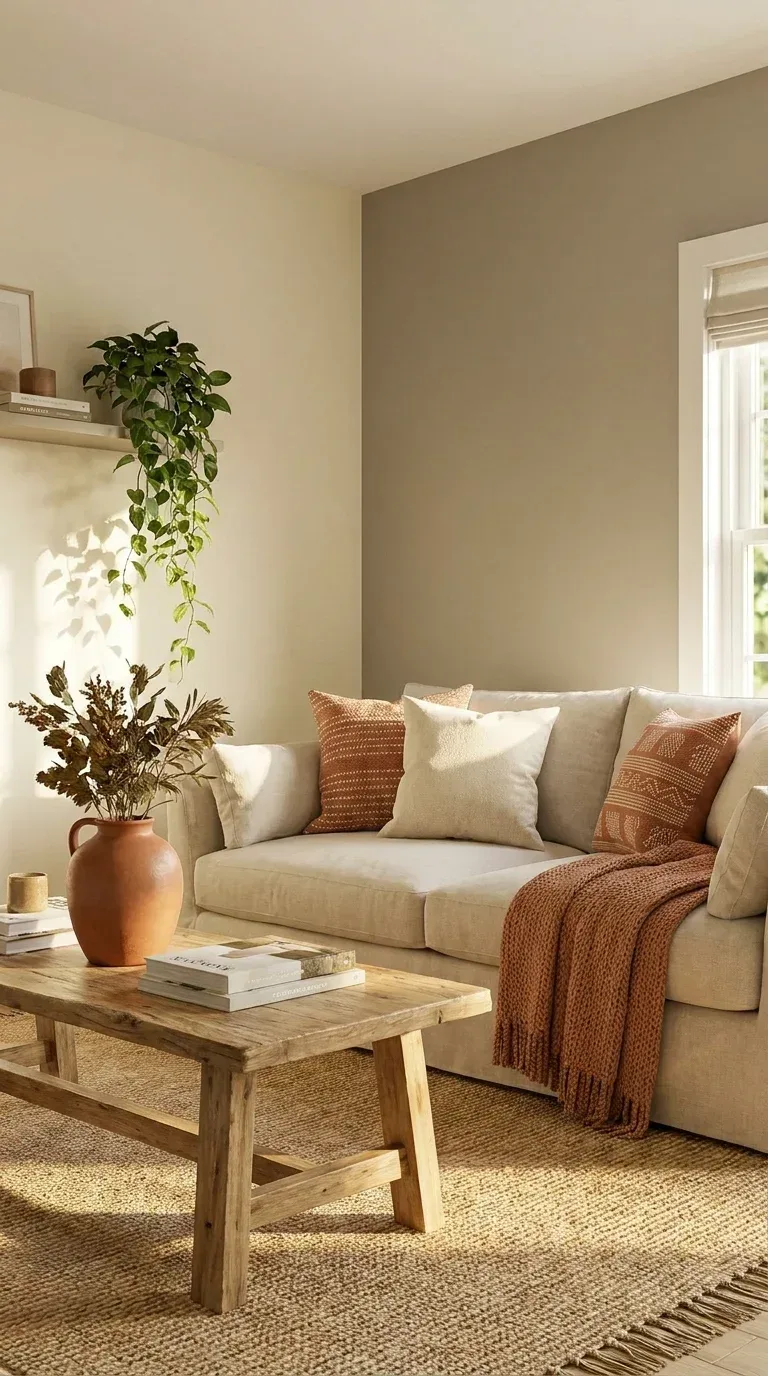
Use a Neutral Color Palette With One Warm Accent
Neutral doesn’t mean boring — it means giving your eye a place to rest. Creams, greiges, warm whites, and soft linens create a calm base that makes everything feel more expensive. Then, choose one warm accent color and repeat it in small doses: a terracotta throw pillow, a rust-toned candle, a copper picture frame. Three to five touches of that one color is enough. More than that and it starts to feel like a theme; less and it looks accidental.
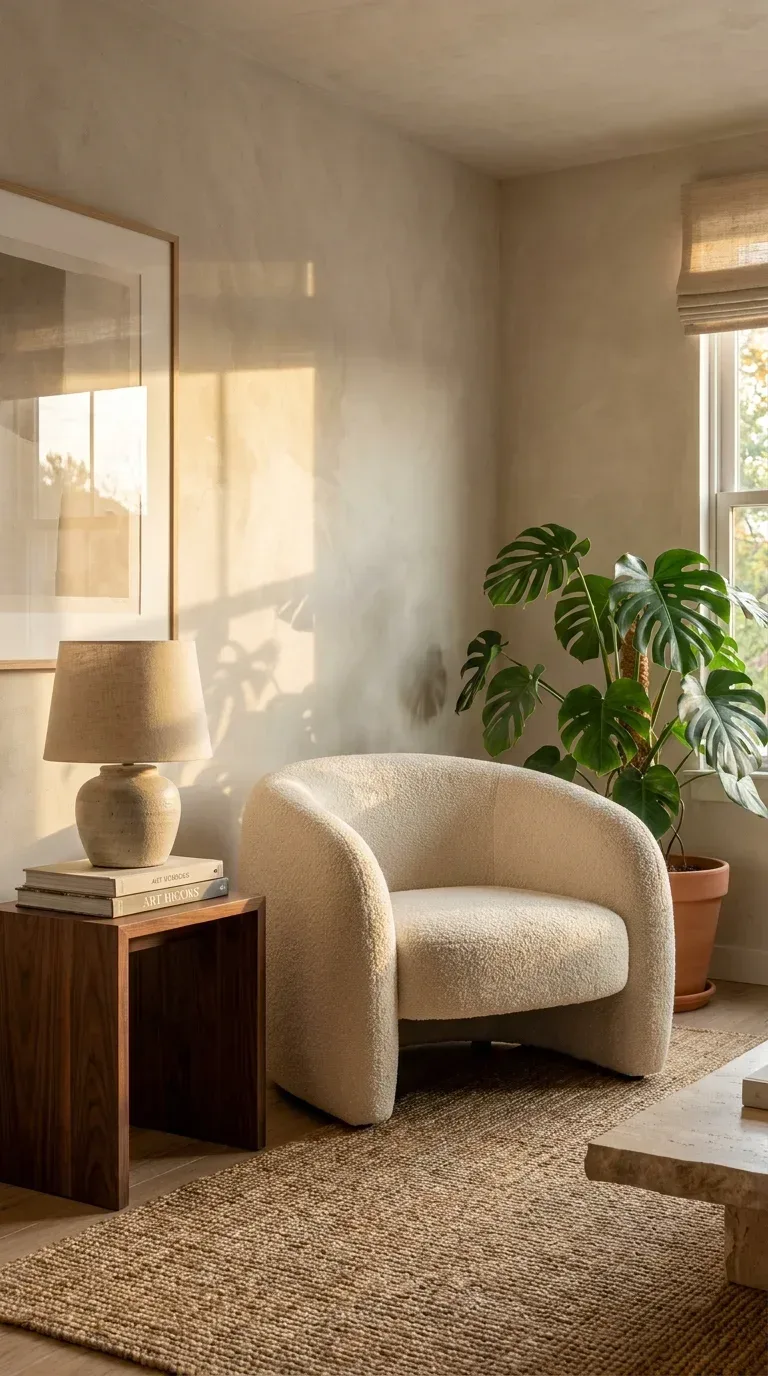
Invest in One Statement Piece of Furniture
Instead of upgrading everything at once, pick one piece and make it count. A boucle armchair, a curved sofa, a vintage coffee table with character — one great piece elevates everything around it. It becomes the anchor that makes people say “where did you get that?” when they visit. Keep everything else simple and let that one piece do the work. This is a much smarter strategy than buying a full matching set from a big-box store.
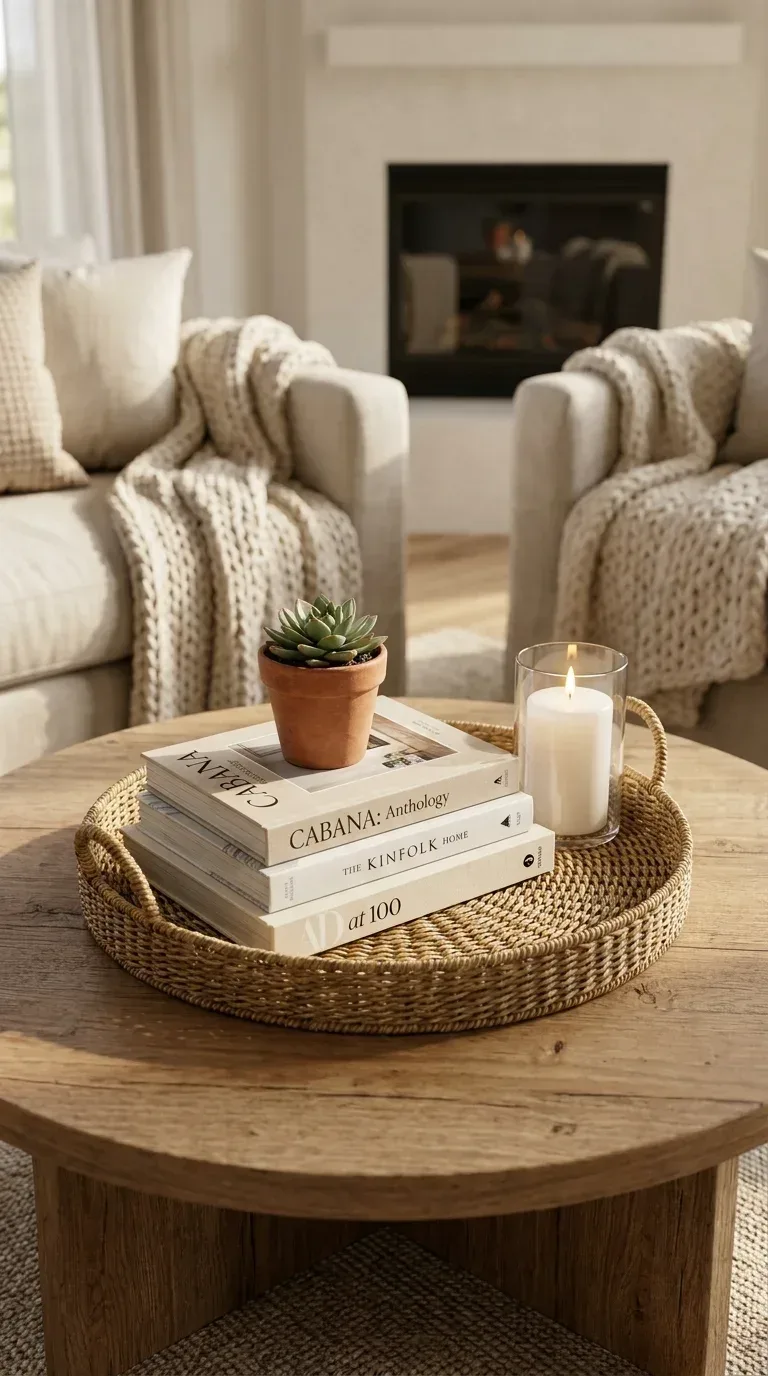
Style a Coffee Table Like a Mini Vignette
Your coffee table is one of the most photographed spots in any living room, and styling it well is simpler than you think. Use a tray to anchor the arrangement, then add a stack of books, one small plant or a candle, and one sculptural object. That’s it — three to four items, all at different heights. The tray corrals everything so it looks curated rather than cluttered. Swap the items out seasonally to keep things feeling fresh without buying anything new.
Hang Curtains High and Wide
This is one of those interior design tricks that sounds too simple to be true, but it genuinely changes a room. Mount your curtain rod 4–6 inches below the ceiling (not just above the window frame), and extend it 12–18 inches beyond the window on each side. When the curtains are open, they frame the window without blocking any light. When closed, they make the ceiling feel taller and the window feel enormous. Linen or cotton in a warm white or soft greige works in almost any room.
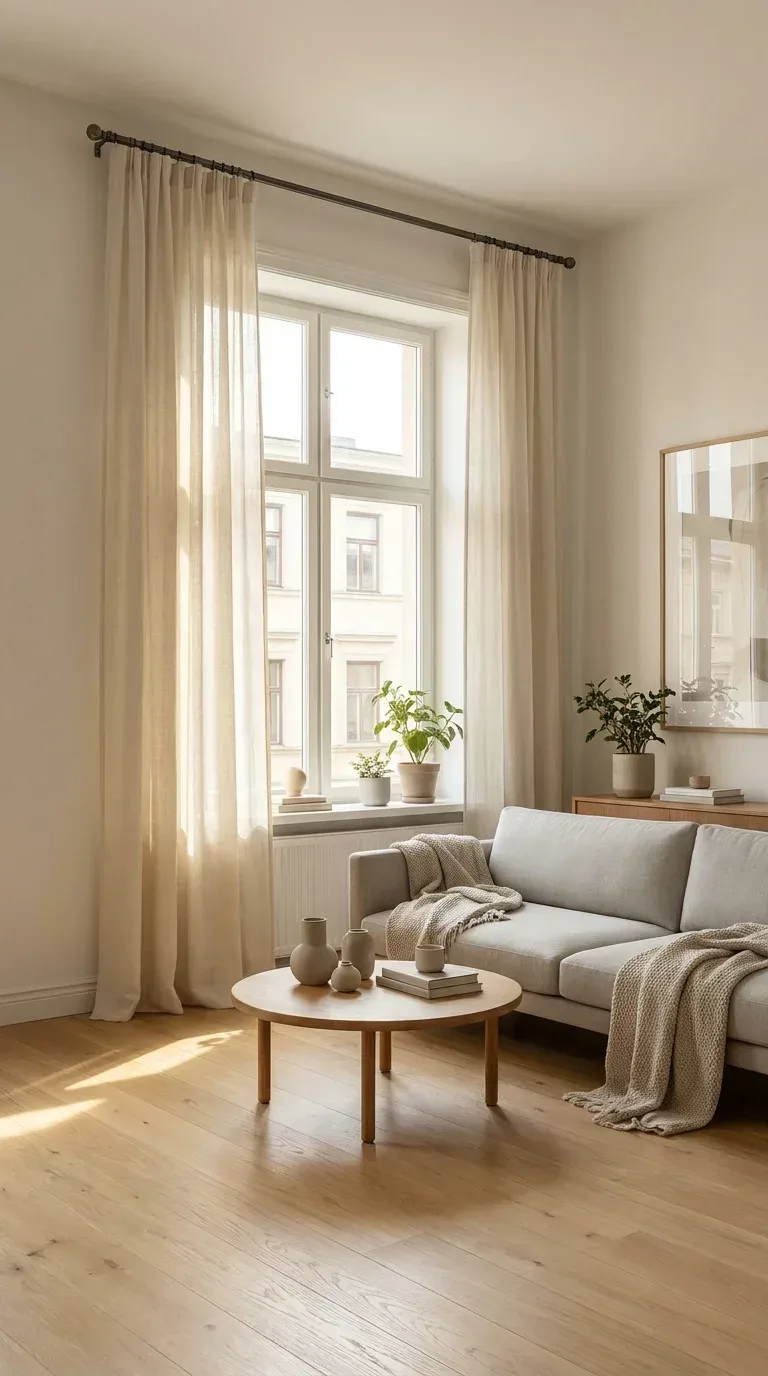
Use Candles and Scent to Create Atmosphere
Scent is the most underrated tool in home decor. A room that smells warm — like cedar, vanilla, or eucalyptus — feels cozy before you even sit down. Group three to five candles of different heights on a tray together rather than scattering them around the room. Pillar candles, tapers, and votives all together look very intentional and give you that layered candlelight effect that photographs beautifully. Unscented candles are fine if you prefer wax warmers or a diffuser instead.
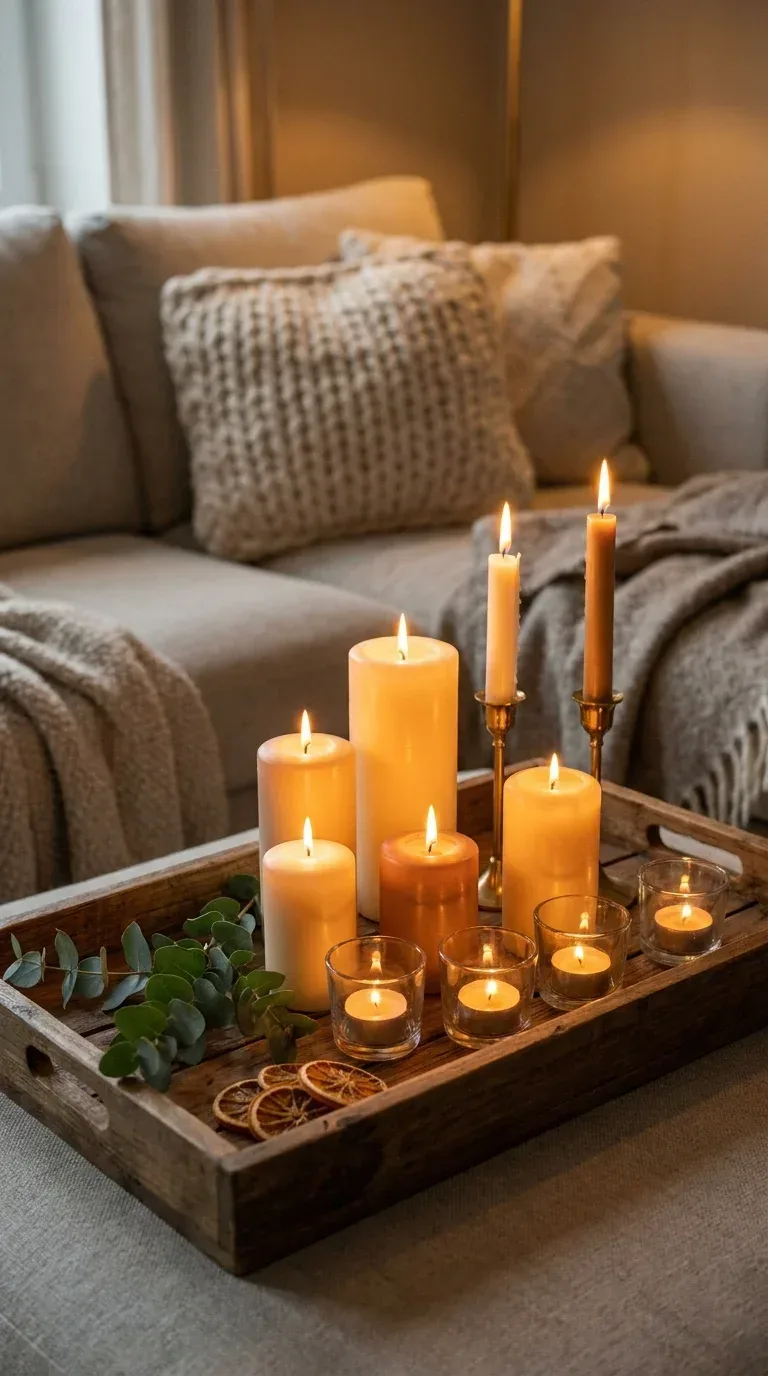
Add a Woven Basket for Storage and Texture
Woven baskets solve two problems at once: they hide clutter and they add natural texture that makes a room feel warmer. A large seagrass basket beside the sofa is perfect for storing extra throw blankets (and it looks good doing it). Smaller baskets on shelves can hold remotes, chargers, and all the other things that tend to pile up on surfaces. They’re inexpensive, widely available, and they work in every decorating style from modern farmhouse to coastal to minimalist.
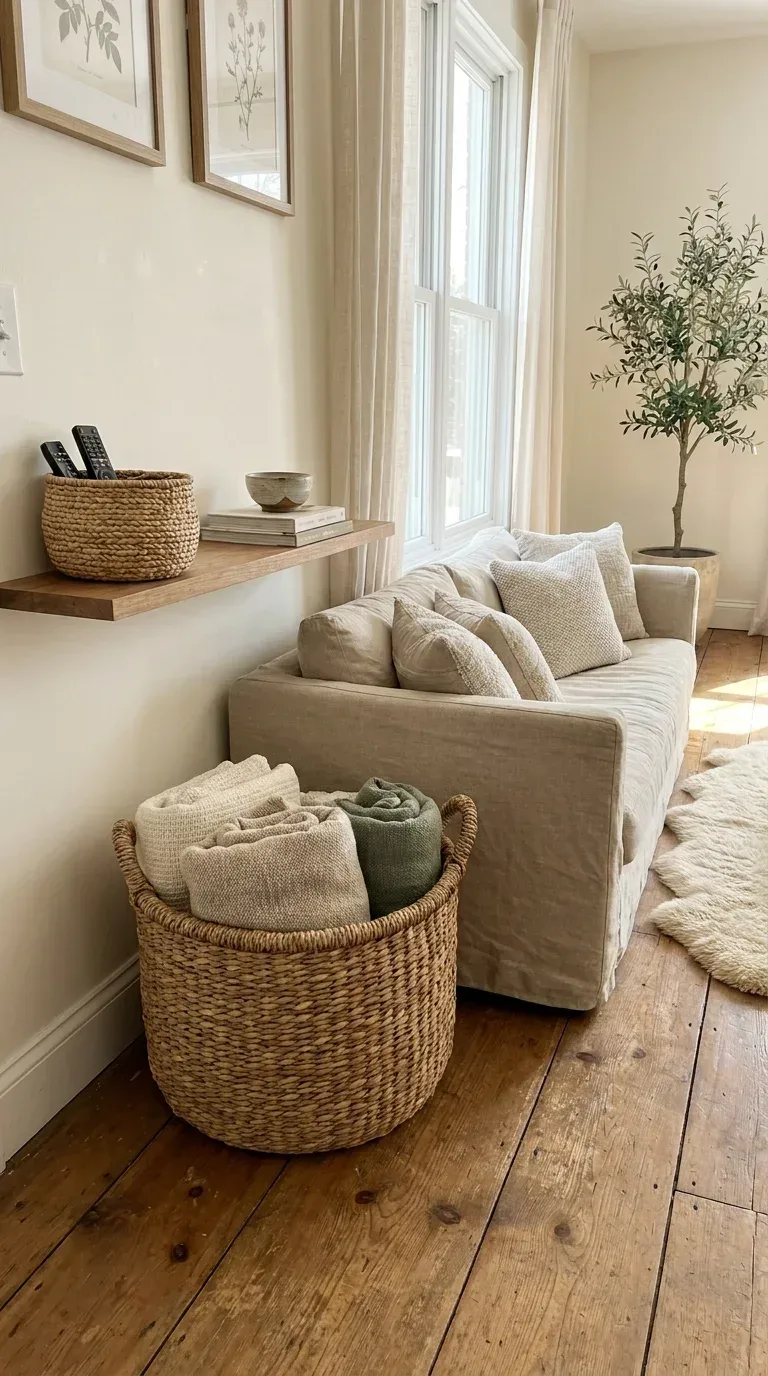
Incorporate a Large Leafy Plant
A large plant in the corner of a living room does something no piece of furniture can — it brings life into the space, literally. A monstera, a fiddle-leaf fig, or a tall snake plant instantly adds height, color, and that organic energy that makes a room feel inhabited rather than staged. Put it in a statement pot (terracotta, textured ceramic, or woven rattan) and it doubles as a decorative object. If you don’t have great natural light, pothos and ZZ plants are nearly indestructible.
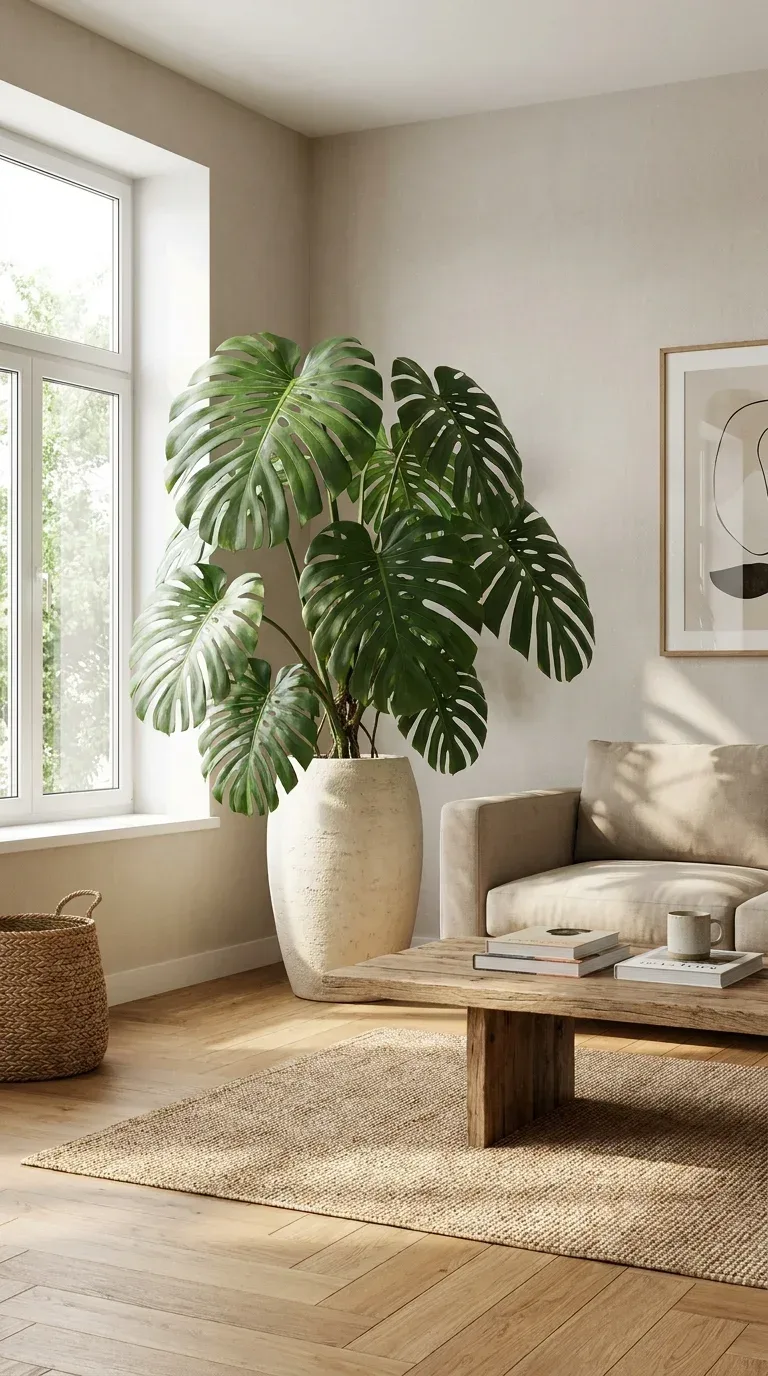
Define the Seating Area With a Rug
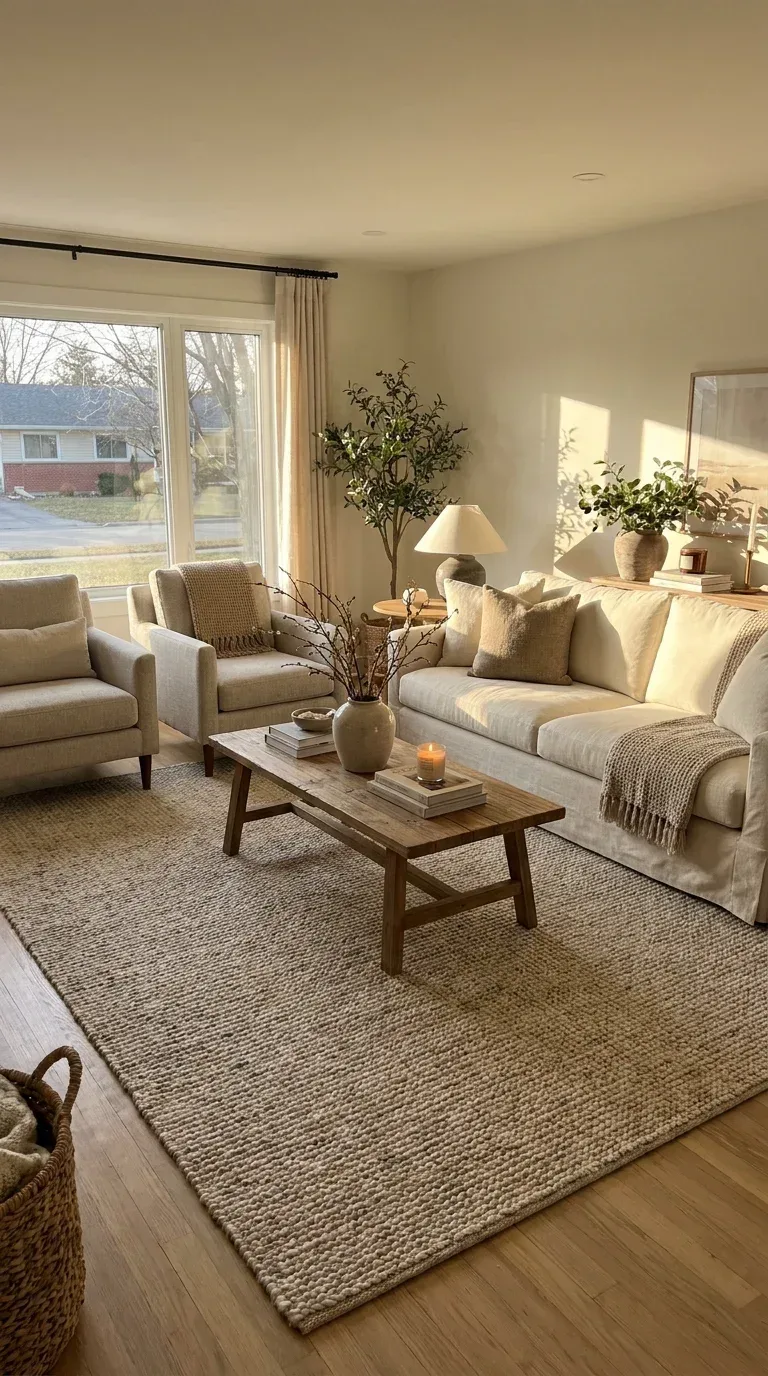
The most common rug mistake is going too small. A rug that only fits under the coffee table while the sofa legs float on bare floor makes a room feel choppy and unfinished. Go bigger than you think you need — ideally all the front legs of your seating should sit on the rug. This visually anchors the whole seating zone and makes the room feel intentional. Jute, sisal, and low-pile wool rugs are durable, affordable, and endlessly versatile.
Create a Reading Nook in an Unused Corner
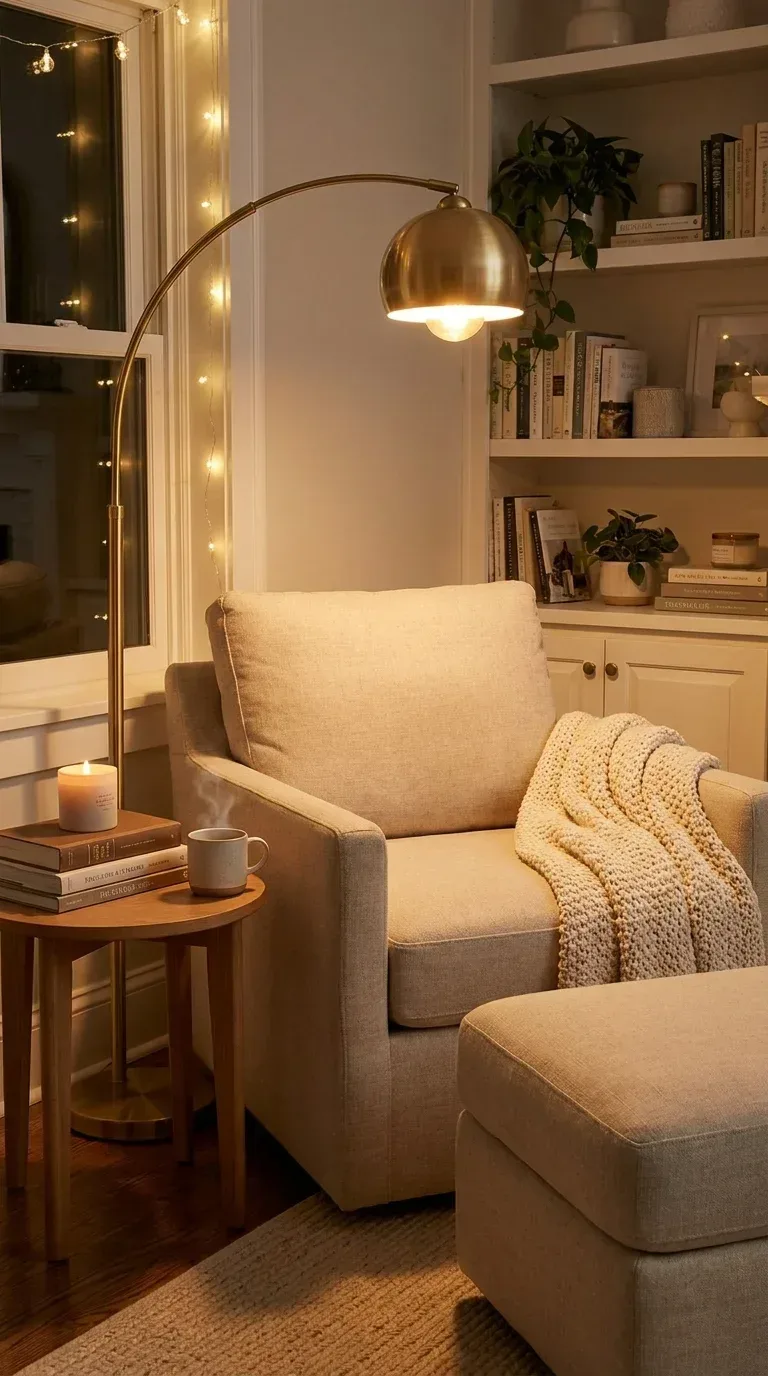
An unused corner is just a reading nook waiting to happen. A comfortable chair, a floor lamp positioned directly over it, a small side table for your cup of tea, and a throw blanket draped over the arm — that’s genuinely all you need. It creates a destination in the room, a spot with an obvious purpose, and those intentional “zones” are what make a living room feel designed rather than just furnished. It also photographs beautifully, which your Pinterest boards will appreciate.
Quick Budget Guide
Under $25: Throw blankets and cushion covers, candles, dried botanicals, rearranging what you already have, styling shelves and coffee tables differently.
$25–$75: A floor lamp or table lamp, a large wall mirror (thrifted), a gallery wall of thrifted frames plus printed art, woven baskets, a houseplant with a ceramic pot.
$75–$150: A quality area rug (look for sales), new curtain panels with a high-mounted rod, a set of coordinating throw pillows, a small statement chair.
Splurge-worthy: One quality statement furniture piece — a boucle armchair, a curved sofa, or a vintage coffee table that anchors the whole room.
Why This Actually Works
The reason these ideas feel expensive even when they’re not comes down to one concept: intentionality. A room full of random pieces looks exactly that — random. But group three objects by height, hang a curtain 6 inches higher than the window, light three candles on a tray, and suddenly the same room looks considered. Design isn’t about budget, it’s about decisions made on purpose.
Layering is the other secret. Cozy rooms never have just one texture, one light source, or one level of height. They stack — a rug under a sofa under a throw under a cushion. A floor lamp plus a table lamp plus a candle. Books plus a plant plus a sculptural object. Each layer adds depth, and depth is what makes a room feel warm rather than showroom-flat.
Color psychology also plays a quiet role here. Warm tones — terracotta, amber, cream, sage — activate the parts of the brain associated with safety and comfort. That’s not an accident; it’s why certain color palettes photograph so well and feel so good to live in. You don’t need to redecorate entirely — just shift a few accessories toward warmer tones and see what happens.
Final Thoughts
You don’t need to do all fifteen of these at once — honestly, picking two or three and doing them well will make a more visible difference than rushing through the whole list. Start with lighting (the fastest win), then layering textiles, then one plant. See how the room shifts. You’ll be surprised how much those three things alone can change the feel of a space.
If any of these ideas sparked something for you, save this post to your Pinterest boards so you can come back to it. And if you try one this weekend, I’d genuinely love to know how it goes — drop a comment below. Your living room is worth a little love.