If your home office feels like it’s fighting you — cluttered, uninspiring, or just kind of blah — the Japandi style might be exactly the reset you’ve been looking for. It takes the warmth of Scandinavian design and blends it with the quiet intentionality of Japanese minimalism, and the result is a workspace that actually feels calm to sit in.
The best part? You don’t need to spend a lot to get there. Most of these Japandi home office decor ideas work with what you already own — or cost very little to add. Start with one or two and see how quickly the whole room shifts.
Choose a Simple Wood Desk
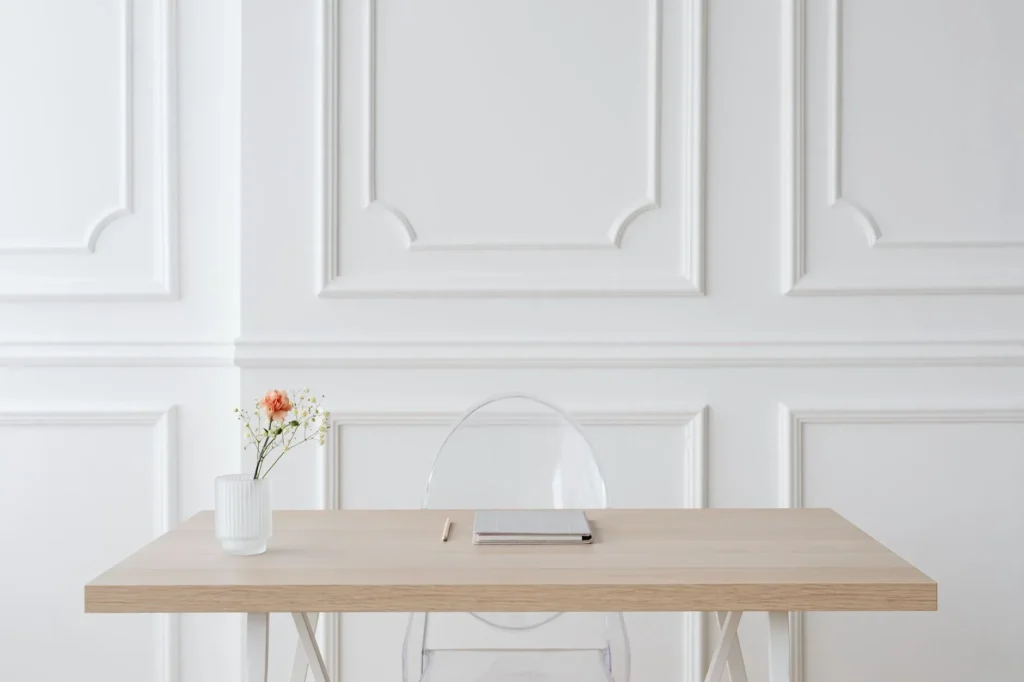
The desk is the heart of any home office, and in a Japandi space, it should be clean-lined, low-profile, and made from natural wood — or something that looks like it. Light oak, walnut, or ash tones all work beautifully. Skip the chunky executive desk with lots of drawers and drama; a flat, simple surface with tapered legs is the aesthetic you’re going for. IKEA’s LINNMON and ALEX combinations are a budget-friendly starting point that photographs like a much more expensive setup. If you already have a desk, a can of wood-toned contact paper can work wonders for under $20.
Paint the Walls a Warm Neutral
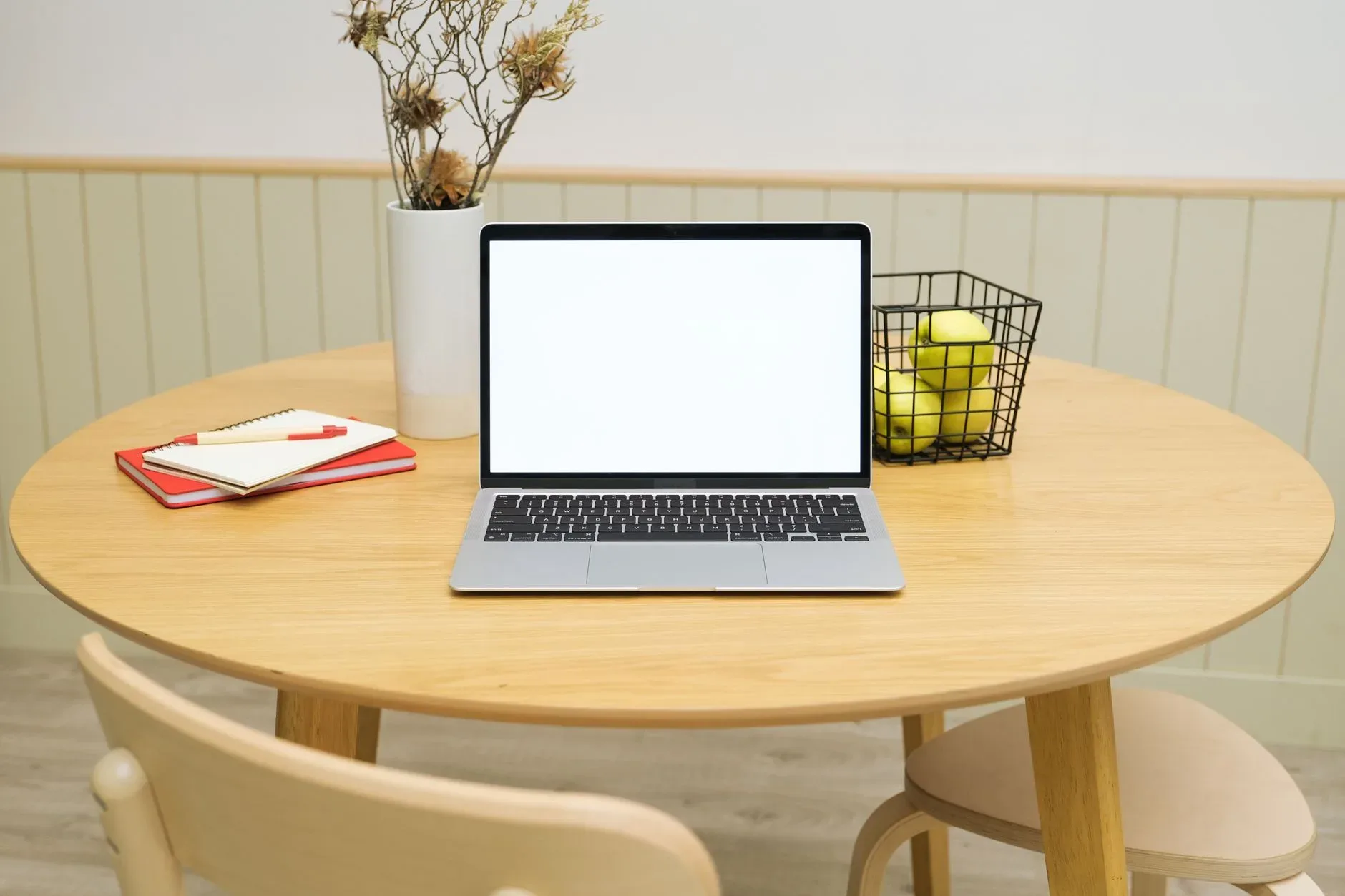
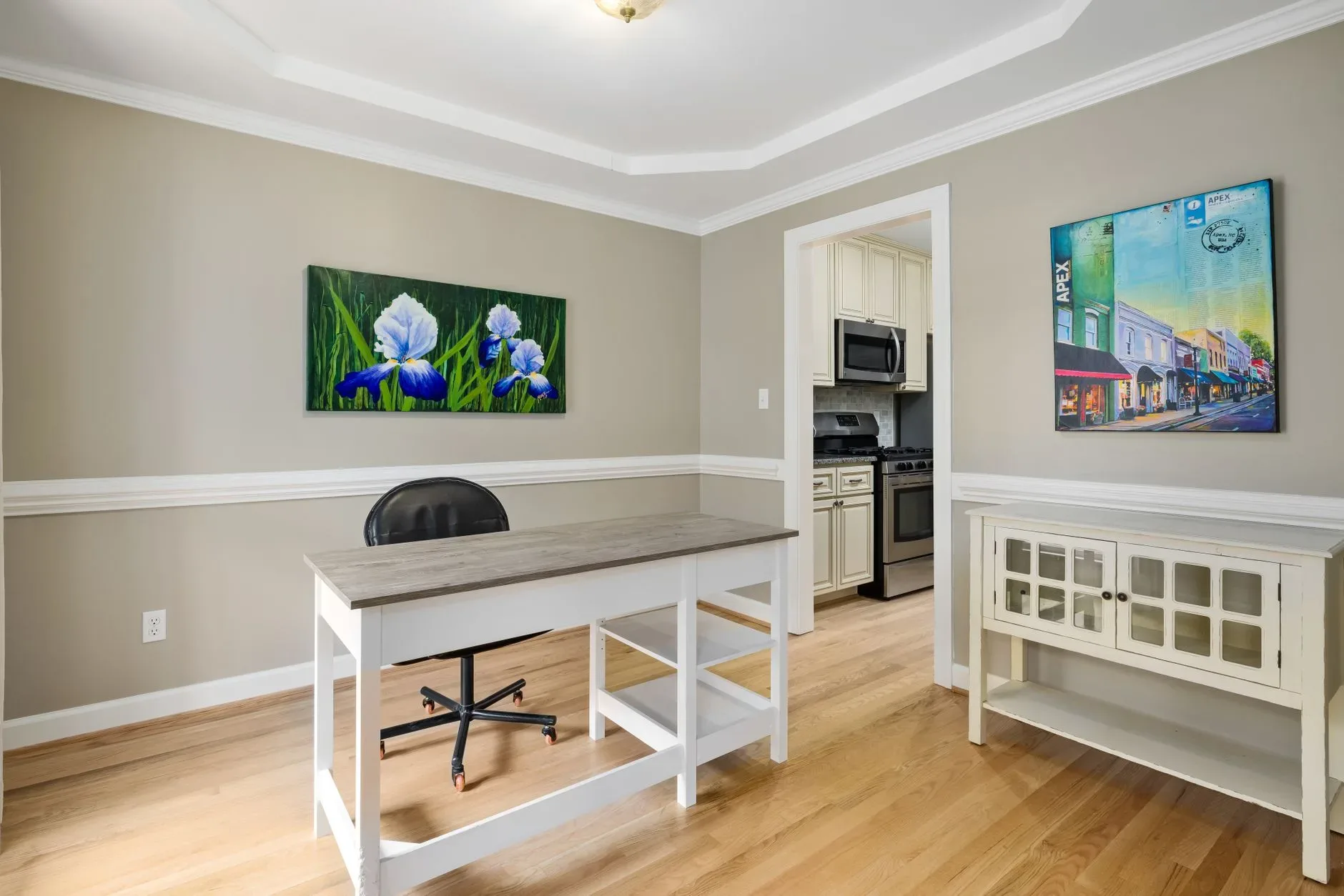
Color does a lot of heavy lifting in a Japandi home office. You want walls that feel like a breath of fresh air — not stark, cold white, and not anything too saturated. Warm greige, soft clay, dusty putty, or the palest mushroom tone are all perfect. These shades create that cocooning, focused feeling that makes working from home feel more intentional and less like you’ve just dragged your laptop to a corner. Sherwin-Williams Accessible Beige and Benjamin Moore Pale Oak are perennial favorites that photograph beautifully under both natural and artificial light.
Add a Rattan or Woven Chair
Swapping a standard desk chair for something with natural material — a rattan accent chair, a woven seagrass seat, or a simple wooden chair with a linen cushion — immediately gives a Japandi home office its most recognizable visual signature. It introduces organic texture without adding visual clutter, which is the whole point. If you work long hours and ergonomics matter, keep your supportive desk chair but add a rattan accent chair nearby for reading or calls. The texture contrast between natural weave and a smooth wood desk is genuinely one of the best combinations in this aesthetic.

Use a Bamboo Desk Organizer
Clutter is the enemy of the Japandi vibe, but that doesn’t mean your desk has to be completely bare. A bamboo or wooden desk organizer keeps pens, notebooks, and daily tools within reach without the visual noise of scattered objects. Natural materials at desktop level reinforce the whole organic, grounded feeling of the style. Look for simple rectangular or cylindrical bamboo organizers — no logos, no plastic, no neon colors. You can find solid options for under $15 on Amazon or at most home goods stores, and they last for years.

Place One Plant — Just One
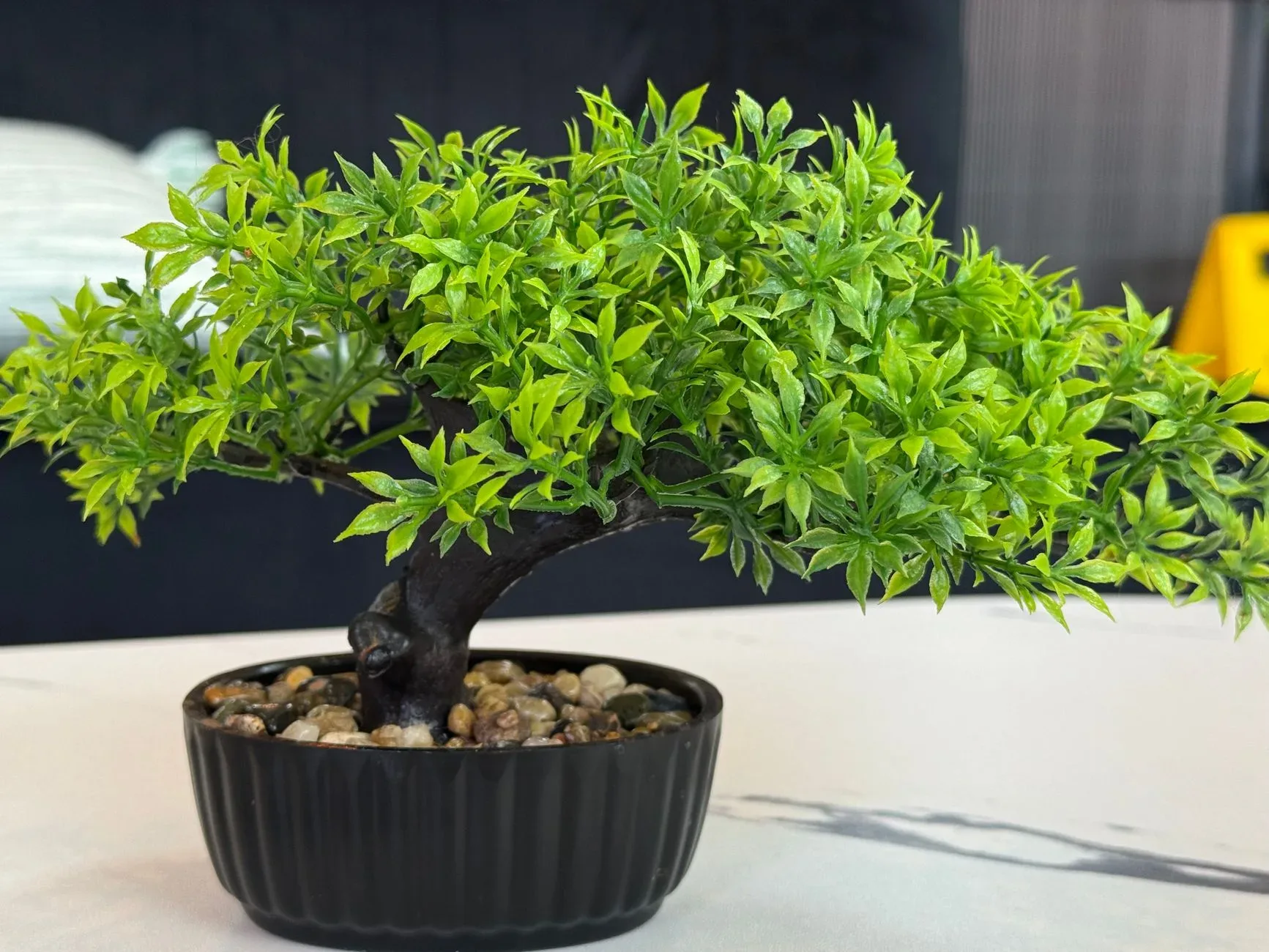
Japandi interiors are not maximalist plant jungles. One well-chosen plant, placed thoughtfully, does more for the aesthetic than ten scattered around the room. A small bonsai on the desk, a single pothos trailing from a shelf, or a compact snake plant in a plain terracotta pot — any of these adds life and softness without competing with the calm you’re building. The restraint is the point. One plant, tended well, signals intentionality in a way that a crowded windowsill simply doesn’t. Most of these options cost $10–$20 at garden centers or IKEA.
Swap Your Desk Lamp for a Warm Paper Shade
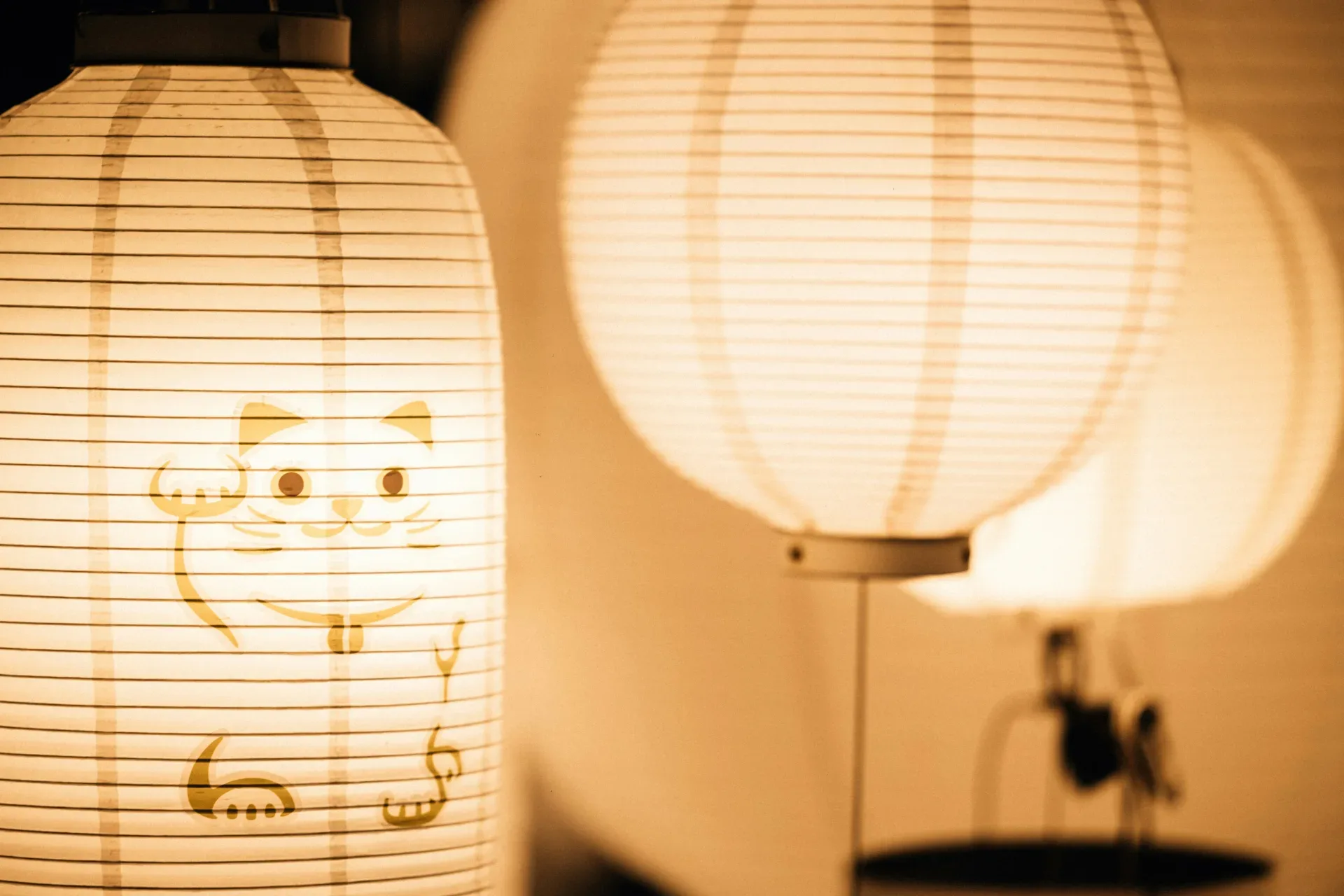
Lighting transforms a room more than almost any other single element, and in a Japandi workspace, the lamp you choose matters. A rice paper pendant, a washi paper table lamp, or even a simple drum shade in cream linen casts that warm, diffused glow that feels like it belongs in a Tokyo apartment. Avoid anything with a metallic industrial feel or a cool-white bulb — both push you away from the warm, organic look you’re after. Paper and natural fiber shades are widely available starting around $20–$40, and they genuinely elevate the whole room.
Install Floating Shelves for Intentional Display
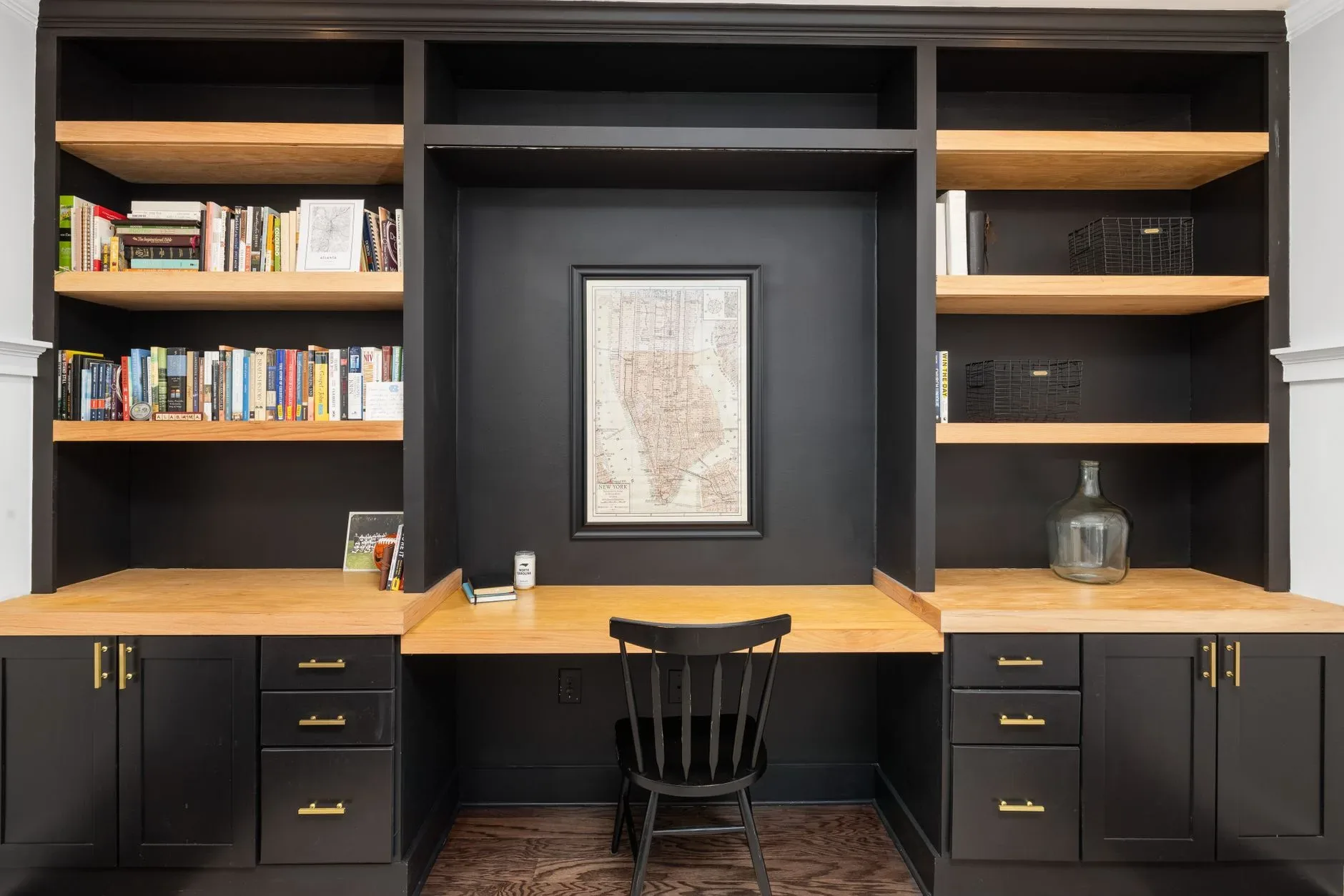
Floating shelves in a Japandi home office serve two purposes: storage and curated display. The key word there is curated. Three or four objects per shelf, maximum — a small plant, a ceramic bowl, a stack of books with the spines facing out, a single framed print. Empty space on a shelf is not wasted space in this style; it’s breathing room, and it matters. Simple wooden floating shelves from IKEA or Amazon run $15–$30 for a set of two or three, and they’re one of the fastest ways to make a plain wall feel considered and intentional.
Store with Linen Baskets
Visible storage doesn’t have to be an eyesore. Woven linen, seagrass, or cotton rope baskets in natural tones — cream, oatmeal, warm sand — keep loose items out of sight while adding the kind of soft organic texture that Japandi design is built on. Use them under the desk, on lower shelves, or stacked in a corner for printer paper, cables, notebooks, and all the other things that tend to pile up in a workspace. A good set of three baskets in graduated sizes typically runs $25–$45 and pulls double duty as decor.

Decorate with Ceramic Desk Accessories
The small objects on your desk tell a story, and in a Japandi home office, that story should feel handcrafted and quietly beautiful. Swap out plastic pen cups and metal trays for ceramic versions — a matte stoneware pen holder, a small ceramic tray for paper clips, a hand-thrown bowl for loose change or rubber bands. The imperfections and organic shapes of handmade ceramics connect directly to the wabi-sabi philosophy at the heart of Japandi style. Etsy and local markets are wonderful for this, and you don’t need to spend much — even a single ceramic piece shifts the energy of the desk.

Create a Minimal Gallery Wall
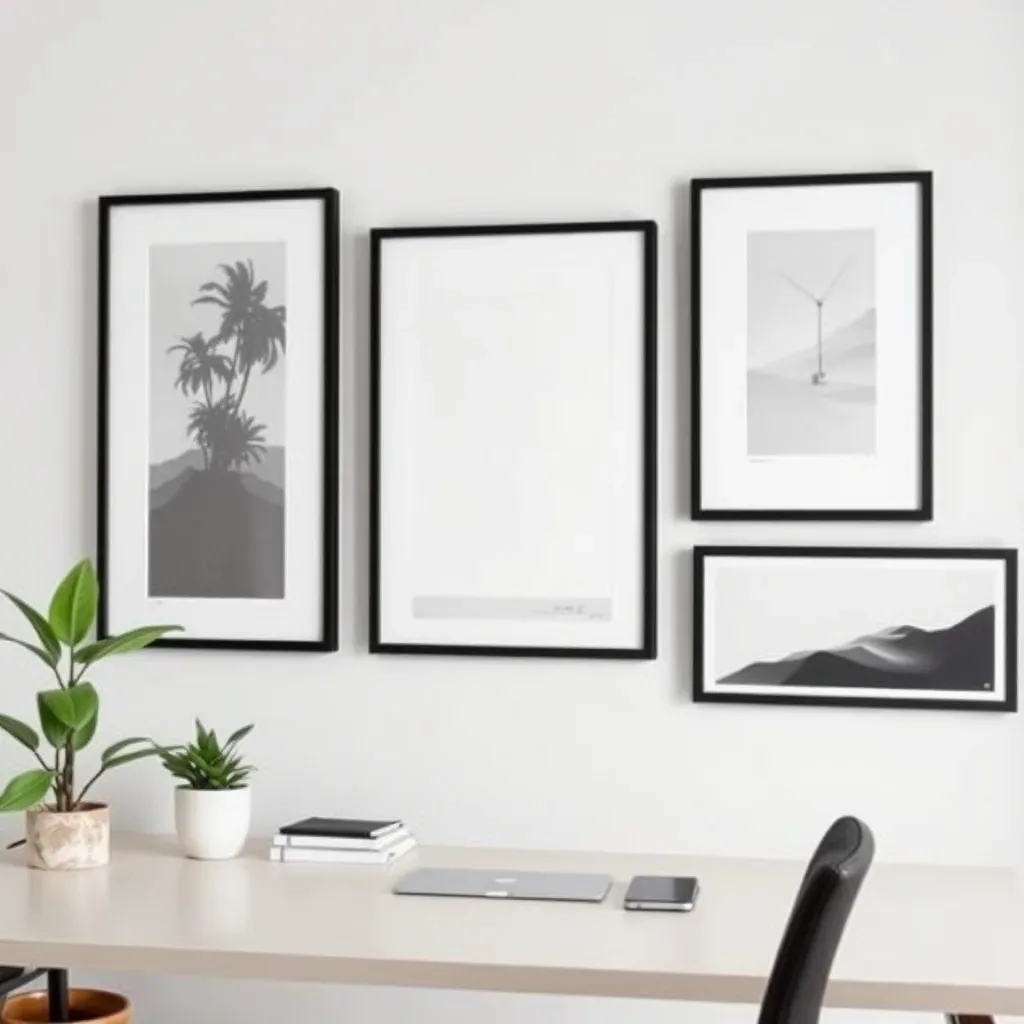
A Japandi gallery wall looks nothing like the maximalist kind. Think: two or three pieces, maximum. Black or dark wood frames. Art that leans into nature — ink brush paintings, botanical line drawings, abstract mountain landscapes, simple Japanese typography prints. Lots of white space within each frame, and breathing room between them on the wall. This kind of arrangement becomes a focal point without demanding attention, which is exactly right for a workspace where you need to be able to think. Free printables from Creative Market or Etsy mean you can achieve this for the price of printing and a couple of frames.
Hang Linen Curtains for Soft Light
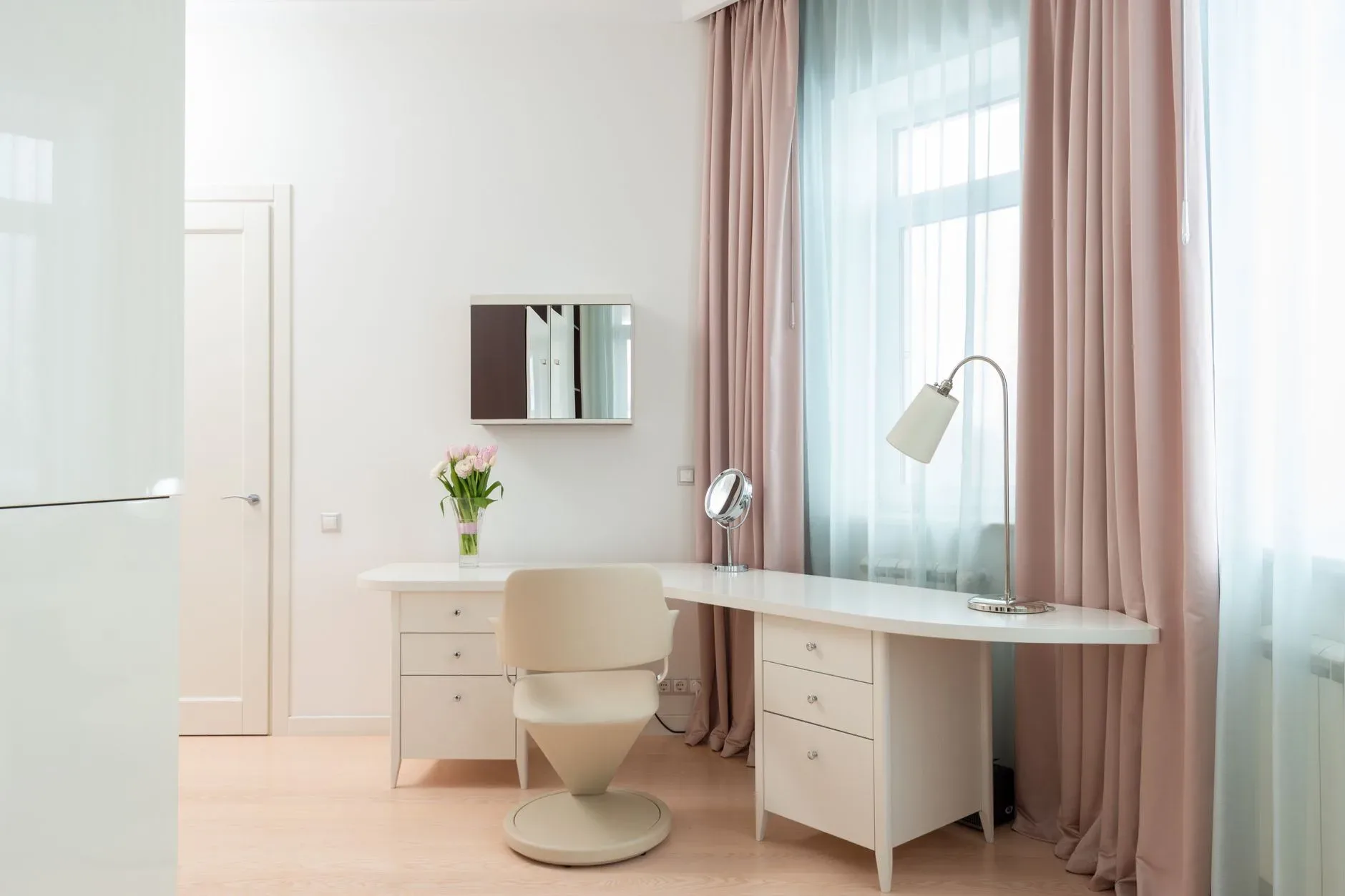
Natural light is essential in a Japandi home office, and the right curtains let it in while softening it beautifully. Long linen panels in undyed natural tones — raw flax, warm ivory, pale oatmeal — filter light in a way that feels genuinely peaceful. Hang them as high as possible on the wall and let them pool slightly on the floor for that relaxed, considered look. Blackout lining can be added behind if you need screen visibility during video calls. Linen curtain panels are widely available for $25–$50 a panel, and few changes make a room feel more serene for the price.
Add Dried Branches or Pampas in a Simple Vase
A tall, simple vase holding dried branches, pampas grass, or a single stem of dried cotton is one of the most distinctly Japandi decorative moves you can make. It brings nature inside in the most understated way — no maintenance, no watering, no fuss. Place it on a shelf, in a corner, or on top of a low filing cabinet to add height and organic shape without any visual noise. A plain terracotta, matte black, or raw concrete vase keeps the whole thing grounded and intentional. Most dried arrangements cost $15–$30 and last for a year or more.

Sort Your Cables — Seriously
This one sounds boring, but cable clutter is genuinely the fastest way to undermine an otherwise beautiful Japandi workspace. A simple cable management tray under the desk, a few velcro cable ties, and a small cable box to hide power strips will make your space look completely different in under an hour. In a style built on visual calm, visible tangled cords are the equivalent of a pile of laundry in the corner — no matter how beautiful everything else is, the eye keeps going back to the chaos. Honest furniture has gorgeous cable management options, but even basic solutions from Amazon for under $20 work perfectly well.
Display a Single Wabi-Sabi Object
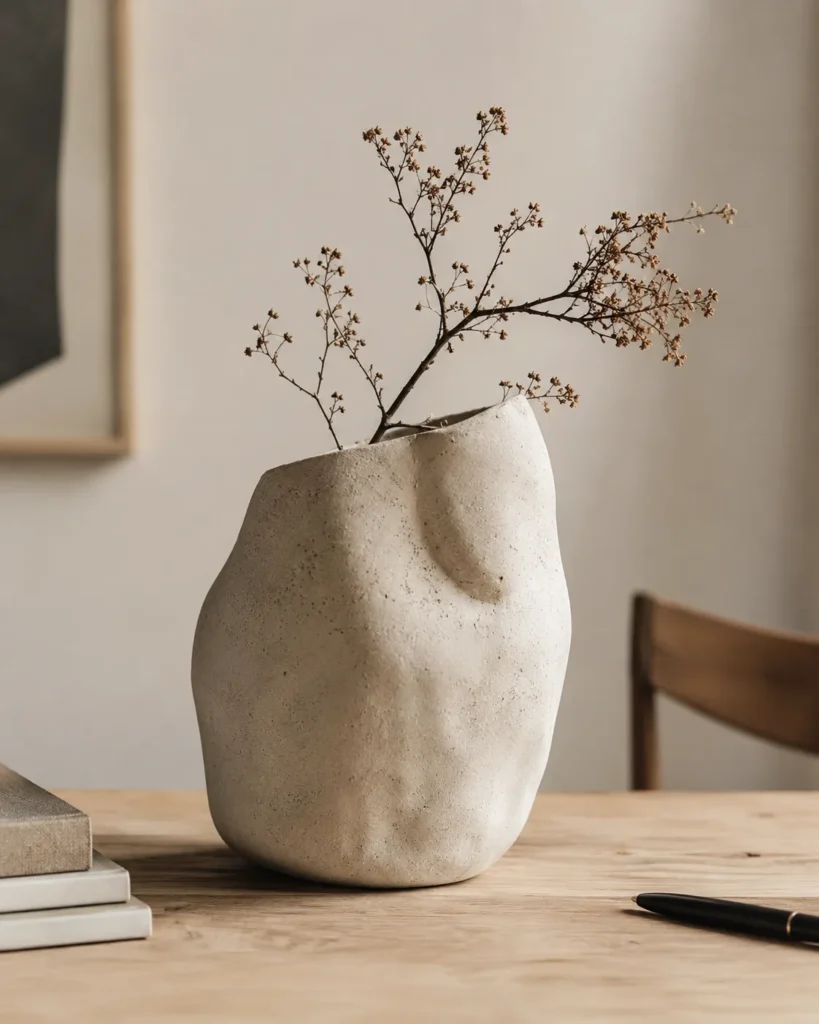
Wabi-sabi — the Japanese philosophy of finding beauty in imperfection — is one of the core ideas behind Japandi design. One way to honor it in your home office is to display a single handmade or imperfect object that you genuinely love: a slightly lopsided ceramic vase, a smooth river stone, a piece of driftwood, a small hand-carved wooden figure. It doesn’t need to be expensive or rare. What matters is that it feels real and meaningful rather than mass-produced and generic. This single object becomes an anchor for the whole room’s identity, and it costs almost nothing if you already have something that fits.
Keep the Desk Surface Nearly Empty
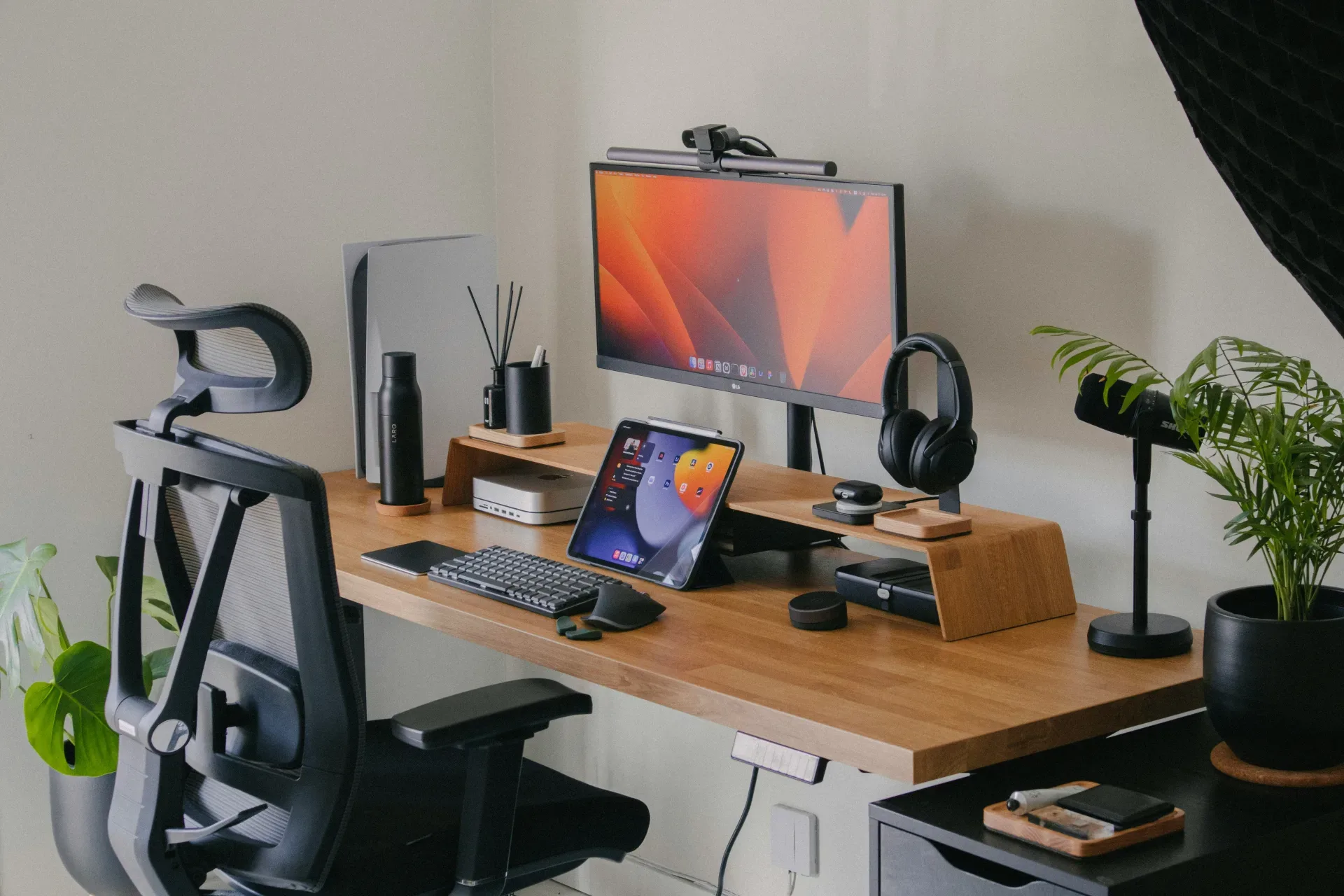
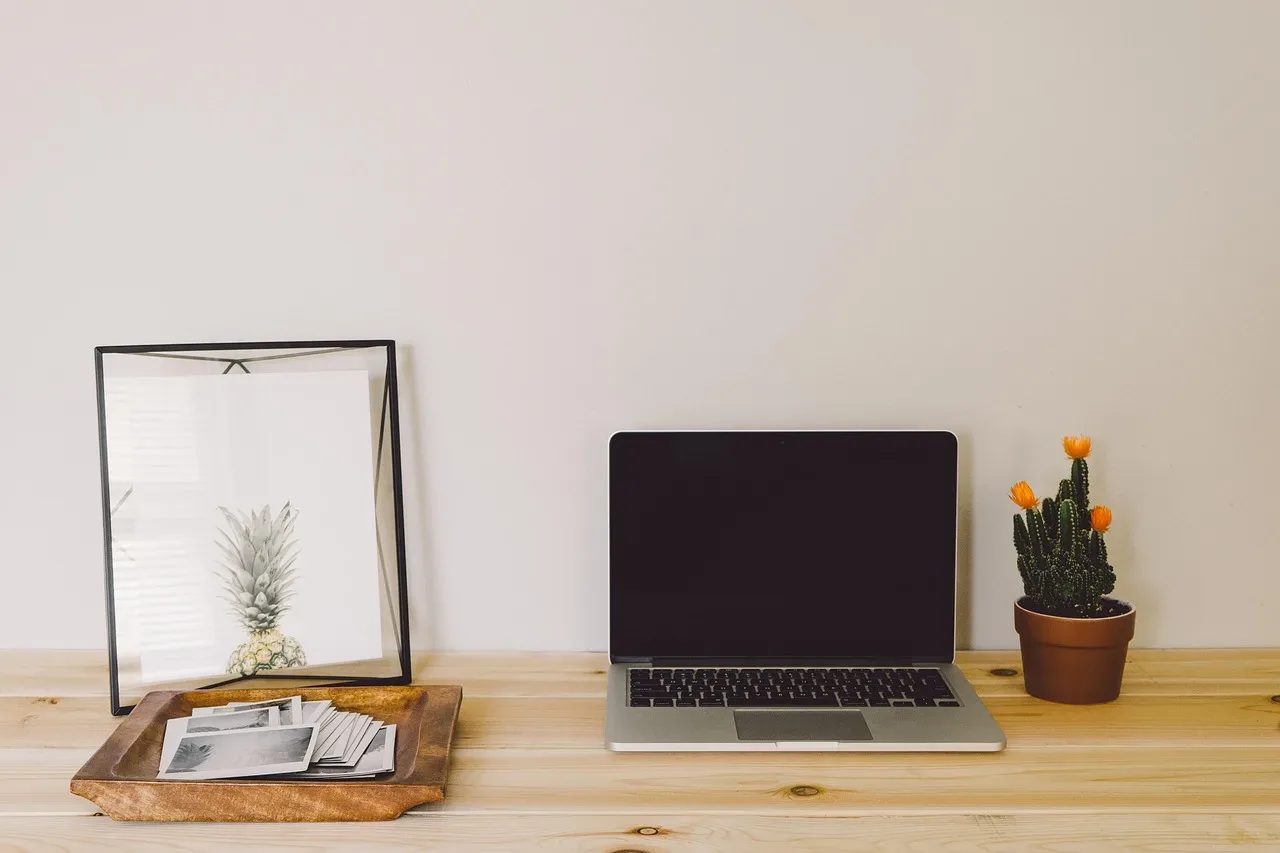
The last idea is also the simplest — and possibly the hardest. A true Japandi home office desk holds only what you need right now. Laptop or monitor, one small plant, a single pen cup, maybe a lamp. That’s it. Everything else lives in a drawer, a basket, or off the desk entirely. The empty surface isn’t a sign that you don’t have enough — it’s a deliberate choice that creates calm, reduces decision fatigue, and makes sitting down to work feel like settling into something rather than bracing for it. This costs absolutely nothing and is instantly transformative.
Quick Budget Guide
Under $25: Bamboo desk organizer, a single potted plant, dried branches in a simple vase, velcro cable ties and cable management basics, one wabi-sabi ceramic or natural object.
$25–$75: Floating shelf set (2–3 shelves), linen storage baskets (set of 3), paper shade desk lamp, free art printables framed in basic black frames, ceramic desk accessory set.
$75–$150: Linen curtain panels (2), rattan accent chair, IKEA minimalist desk setup (LINNMON + legs), floating shelf styling with ceramics and dried botanicals.
Splurge-worthy: A quality solid wood desk ($150–$400), a proper ergonomic chair in natural fabric ($200+), custom handmade ceramic pieces from Etsy ($50–$150).
Why This Actually Works
Japandi is effective in a home office because it addresses one of the core problems with working from home: visual stimulation competing with mental focus. A conventional home office — mismatched furniture, visible cables, decor that belongs in a different room, piles of stuff in the periphery — keeps your brain in a low-level state of distraction. Japandi removes that friction deliberately. Every element is chosen with intention, and everything that doesn’t serve a purpose is removed. The result is a space that your brain reads as “work mode” the moment you sit down.
The natural materials — wood, linen, rattan, ceramic, dried botanicals — also play a specific role. Research consistently shows that exposure to natural materials and textures reduces cortisol and promotes a calmer, more focused mental state. That’s not just a design trend; it’s the reason why a wood desk and a linen curtain genuinely feel different to work near than their plastic and synthetic equivalents. Japandi leans into this instinctively, and the effect on your working day is real.
The color palette matters too. Warm neutrals — greige, warm white, soft clay — reflect light gently without the harshness of stark white or the visual weight of dark tones. They create a visual container that’s calm without being cold, and they make everything else in the room — the wood grain, the plant, the ceramic accessories — look more beautiful by contrast. It’s a palette that works morning light, midday sun, and lamplight equally well, which is important when your workspace needs to function across a full day.
Final Thoughts
You don’t have to redo the whole room to feel the shift. Pick one idea from this list — maybe it’s sorting your cables, maybe it’s swapping your lamp, maybe it’s clearing your desk surface down to almost nothing — and try it this week. The Japandi home office aesthetic is built on small, deliberate choices rather than big dramatic overhauls, which is part of what makes it so achievable on a real budget.
If this sparked some ideas for your workspace, save it to your Pinterest boards so you can come back when you’re ready to make the next move. And if you’ve already got a Japandi setup going at home, I’d love to hear what made the biggest difference for you — drop it in the comments below.