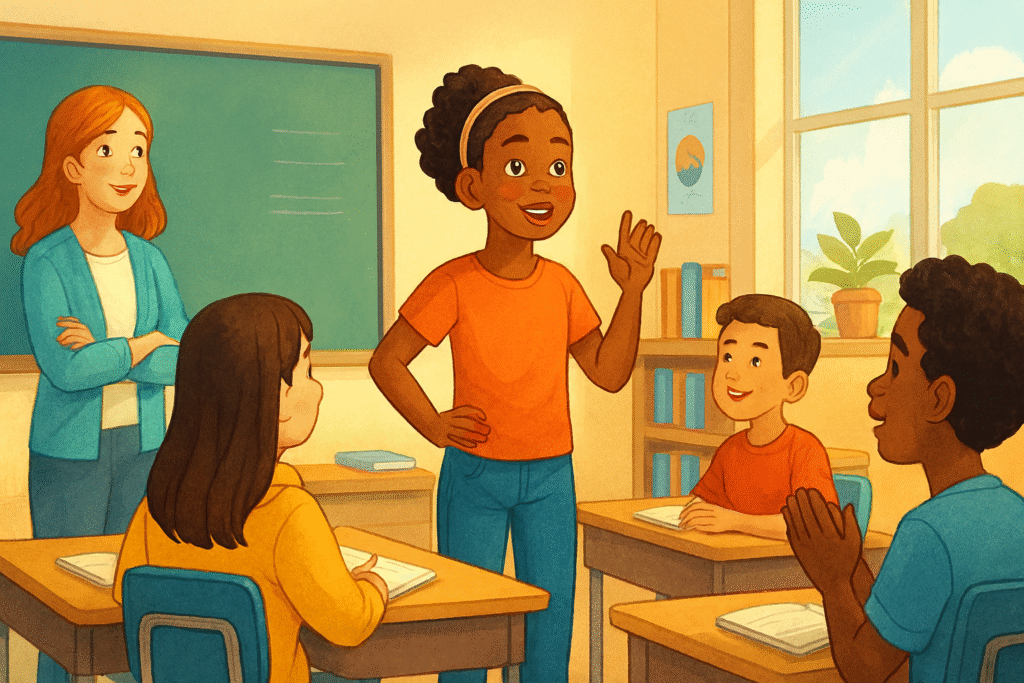
Why it’s more important than ever to be your own advocate
Every student should feel able to stand up for themselves, ask for help, say what they need, and be responsible for their own learning. But that’s not easy for many kids, especially those who have trouble learning. This is where a good Individualized Education Program (IEP) comes in handy.
An IEP is more than just setting goals for school. One of the most important life skills to learn is how to speak up for yourself. Students become independent and strong learners when they learn to see their skills, understand their problems, and speak up for themselves with confidence.
This post will talk about 10 good IEP goals that support self-advocacy. It will also include expert advice and commonly asked questions to help parents and teachers carry out these goals.
What Does Self-Advocacy Mean in School?
Self-advocacy means that a student knows what they need, can make decisions, and can talk about their learning in a clear way.
For instance, a student who speaks up for themselves might say:
- “This math step is confusing me. Could you show me another way?”
- “I need more time to finish this test.”
- “This plan helps me pay attention better.”
Being aware and having faith are two things that are needed to be successful for a long time.
The National Center for Learning Disabilities (NCLD) says that kids who learn how to advocate for themselves are 60% more likely to go to college and do well as an adult.
10 Good IEP Goals to Help Students Speak Up for Theirselves
To help students become strong advocates for themselves, here are ten measurable goals that teachers and parents can write into IEPs.
1. Know your own strengths and weaknesses.
Goal: The student will write down at least three of their skills and two of their weaknesses and share them in class or at an IEP meeting.
Being aware of yourself is the first step toward activism, which is what this goal does. They can get the right kind of help if they know what they’re good at and what they need help with.
2. Make learning needs clear to others
At least three times a week, the student will know how to say when they need help or more information in class.
This shows students how to politely speak up instead of being quiet or angry.
3. Learn about the accommodations in their IEP
The student will be able to name their own IEP accommodations, such as extra time or a preferred place, and explain when and why they are used.
This helps kids take charge of their own learning instead of depending on adults alone.
4. Think about yourself after you finish a task.
The student will think about what strategies worked and what could be better after finishing a task 80% of the time.
Self-reflection is an important part of always getting better, and it also helps students learn how to fix problems.
5. Ask for help in the right way
Goal: Four out of five times, the student will ask for help or a break in a calm and polite way using specific words.
This helps people control their emotions and feel more confident, which makes learning tasks less stressful.
6. Take part in discussions about setting goals
Goal: At least one specific learning goal will be shared by the student at every IEP meeting or progress review.
Getting students involved in their IEP meetings makes them feel heard, gives them power, and makes them responsible for their own growth.
7. Look for signs of stress or anger
This is the student’s goal: they will be able to notice when they are getting frustrated (like fidgeting or zoning out) and use a way to deal with it, like taking a short break or deep breathing.
Understanding their feelings helps them stay in charge and fight for what they want before they get too stressed out.
8. Use ways to solve problems
Goal: When a student is having trouble learning, they will pick one of two options, such as rereading, asking a friend, or using images.
This boosts trust in making choices, which is important for doing well in school and in the real world.
9. Get used to talking about their disability or the way they learn.
Goal: The student will talk about their learning style or disability with teachers or peers in a confident, polite way during meetings or class discussions.
When students know and talk about their learning needs, it makes them less likely to be judged and more likely to be accepted.
10. Show that you can do daily tasks on your own.
Goal: Eighty percent of the time, the student will be able to start assignments, organize materials, or switch between jobs without much help.
This makes it easier to take care of yourself, which automatically makes you a better advocate and boosts your confidence.
Questions People Ask About IEP Goals and Speaking Up for Oneself
1. At what age should you start setting goals for self-advocacy?
Self-defense skills can be learned as early as grade school. It’s easier for students to deal with bigger problems later on if they learn how to politely state their wants early on.
2. What can parents do to help their kids reach these goals?
Encourage people to talk freely. “What helps you learn best?” is a good question to ask your child. “What do you need to tell your teacher?” — this makes activism normal.
3. Are goals for self-advocacy only for kids in special education?
Not at all. Every student can benefit from learning how to be responsible and say what they need. IEPs are just a planned way to keep track of progress.
4. What part does the teacher play in making these goals?
Teachers show students how to be advocates by getting them to ask questions, give their views, and take part in making decisions that affect them.
5. How can you tell if you’re getting better at self-advocacy?
Check-ins, observations, and student comments can all help. Small wins, like speaking up once in class, are big steps toward building confidence.
Most important: You have to work for confidence.
Students who learn how to speak up for themselves not only do better in school, but they also gain confidence, freedom, and the strength to keep going throughout their lives. The best IEP goals don’t just check off boxes; they help kids become more brave, confident, and kind.
Teacher, parent, and student all have a part to play in this. What is the end goal? Getting every kid to feel sure that they can say, “I know what I need and I can ask for it.”