Living in a small space doesn’t mean giving up on plants — it just means getting a little more creative about where and how you display them. The good news is that some of the most beautiful indoor plant arrangements out there are perfectly suited to compact homes, apartments, and rooms where floor space is precious. Vertical displays, hanging planters, windowsill rows, and styled shelves all let you build a genuinely lush plant collection without taking up much room at all.
These 15 house plant arrangements for small spaces cover every level of experience and every type of space — from a single sunny windowsill to an entire plant-filled corner that makes a studio apartment feel like a greenhouse. All of them are manageable, most are very affordable, and every single one makes a room feel warmer and more alive.
The High Shelf Trailing Display
Mounting a shelf up high — close to the ceiling — and filling it with trailing plants is one of the best small-space plant arrangements available, because it uses vertical real estate instead of floor or counter space. Golden pothos, string of pearls, heartleaf philodendrons, and tradescantia all trail beautifully, and the longer the vines get, the more dramatic and lush the effect. It draws the eye upward, making a small room feel taller, and creates that living-wall quality that makes rooms look editorial rather than just decorated. A simple floating shelf runs $15–$40, and a small pothos to start costs around $8–$15.

A Macramé Hanger in a Sunny Corner
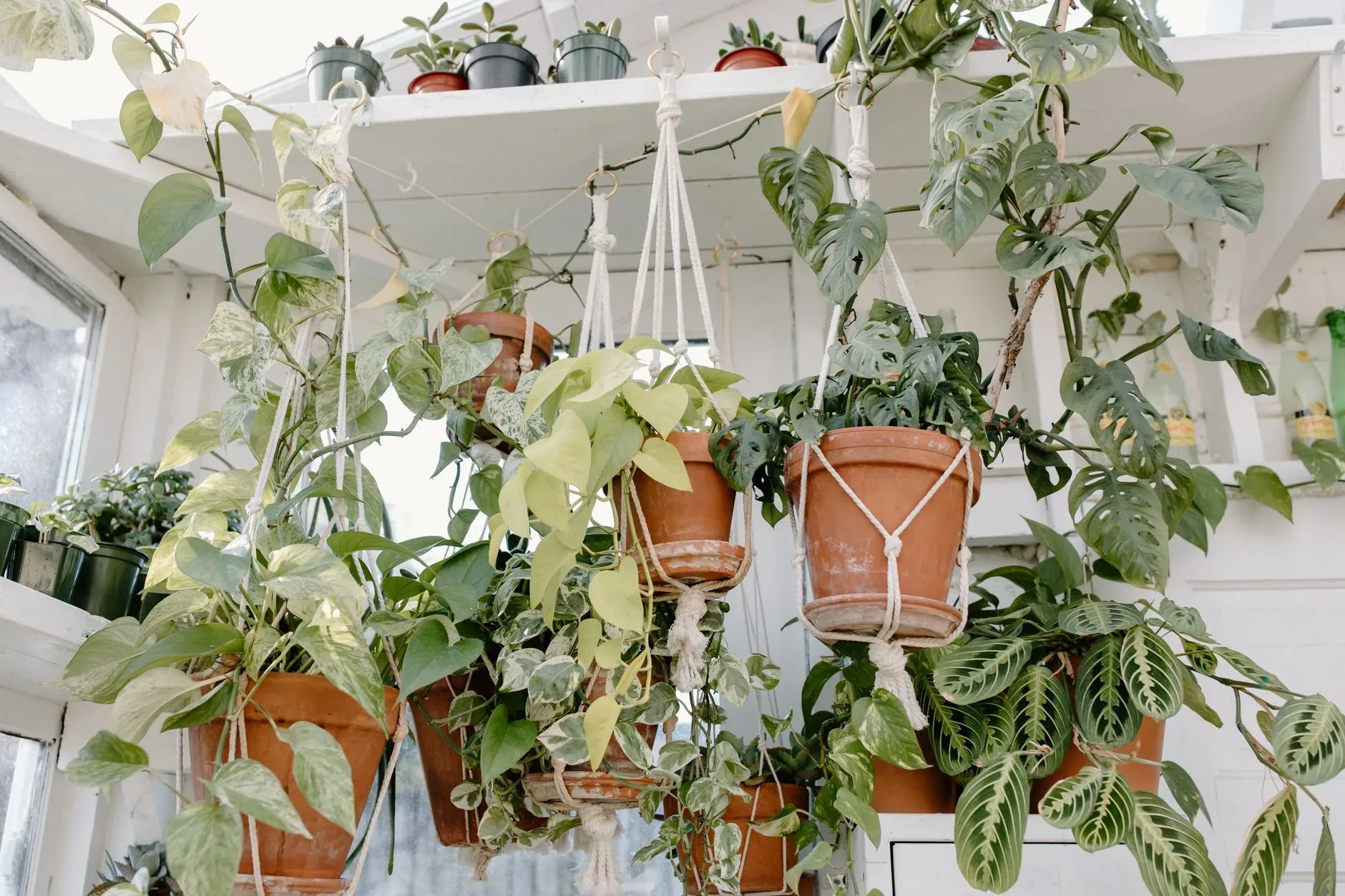
A macramé plant hanger is the ultimate small-space plant solution — it holds a plant mid-air, using absolutely no floor or surface space at all. Hang it near a window where a trailing pothos, a small spider plant, or a string of pearls will get good light and have room to grow downward. In a small apartment especially, one beautiful hanging planter can do more for the feel of a room than several plants on shelves, because it fills vertical space in a way that feels organic and intentional. Macramé hangers run $15–$35 on Etsy or at home stores, and they look beautiful in every style of room.
A Styled Windowsill Row
A windowsill lined with small plants is one of the most classic indoor plant arrangements — and one of the most effective for small spaces, because the window itself provides the light and the ledge provides the display surface without using any extra room. Small succulents, cacti, herbs, and compact trailing plants all work beautifully in a row. Use matching terracotta pots for a cohesive, earthy look, or mix glazed ceramics in complementary tones for something a little more considered. A windowsill plant collection can be assembled for as little as $15–$30 for a set of four to six small plants and basic pots.

The Bookshelf Plant Integration
If you already have a bookshelf, you already have the bones of a beautiful plant arrangement — you just need to weave some greenery into it. Tuck small plants between books, let a trailing pothos drape from a higher shelf, add a tiny succulent in a ceramic pot beside a stack of your favourite reads. The combination of plants and books is one of the most universally loved aesthetics in home decor, and it works particularly well in small spaces because you’re not adding any new furniture — just layering life and personality into something you already own. One or two small plants from a garden centre costs $5–$20 total.

📷 Photo by Dhhaawn Kim on Unsplash
A Terrarium on the Coffee Table
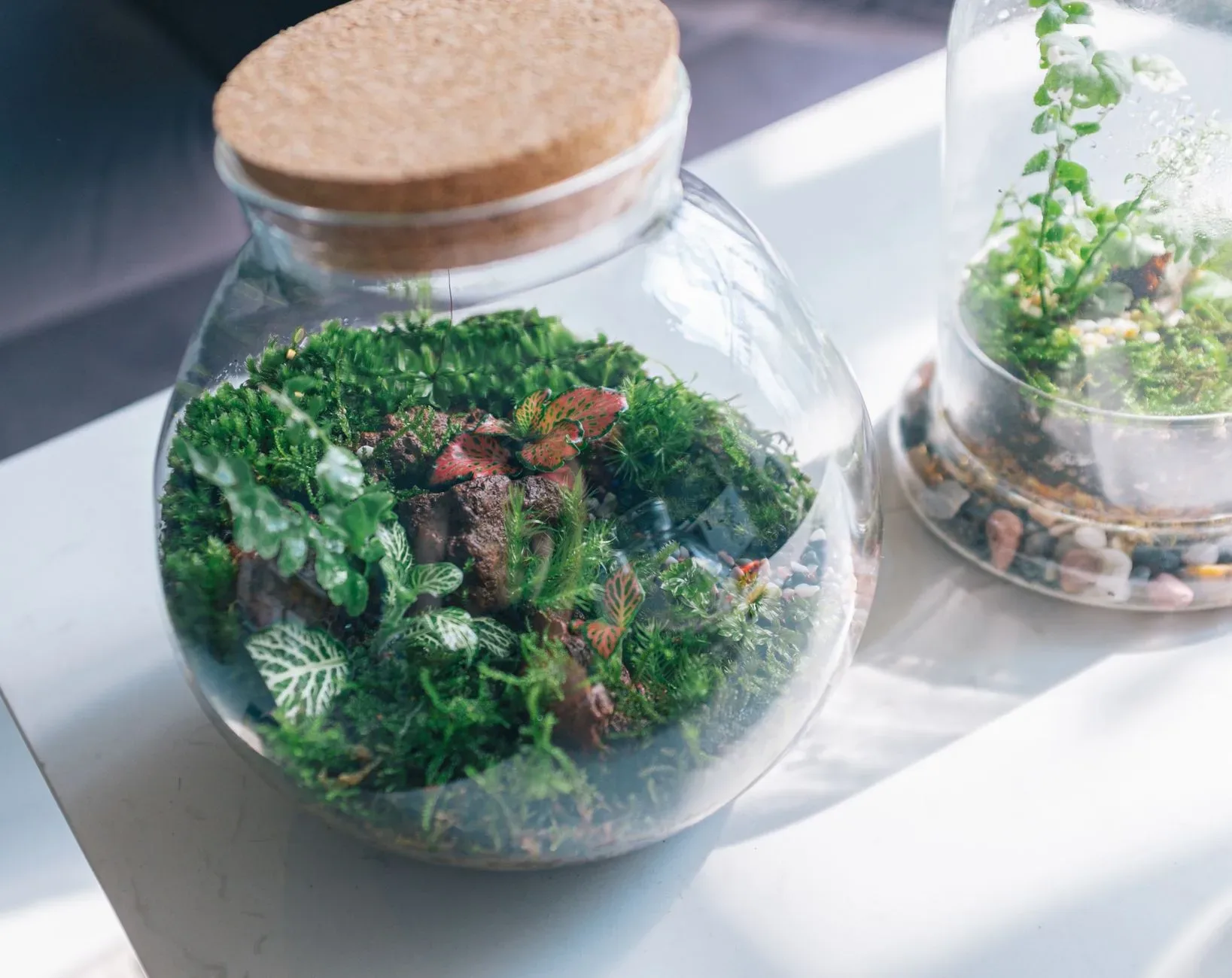
A terrarium — a glass container planted with moss, succulents, air plants, or small ferns — is one of the most compact and self-contained plant arrangements you can create, and it sits beautifully on a coffee table, side table, or desk without taking up meaningful space. Closed terrariums create their own humid microenvironment for moisture-loving plants; open ones suit succulents and cacti. You can buy a ready-made terrarium from $20–$50, or build your own using a glass bowl or geometric frame from a craft store. Either way, it’s a genuinely beautiful display that requires minimal maintenance once it’s established.
A Plant Ladder in a Narrow Corner
A plant ladder — a small, leaning ladder-style shelf — is one of the most space-efficient display options for a plant collection in a small room. It uses almost no floor space, holds multiple plants at different heights, and adds a warmth and character that a regular shelf doesn’t quite match. Lean it against a wall in a corner, and style each rung with a different plant — a tall one at the bottom, medium in the middle, a trailing or small one at the top. Wooden plant ladders run $30–$70 depending on size and material, and they’re one of the most photographed plant display ideas on Pinterest for good reason.

The Grouped Succulent Tray
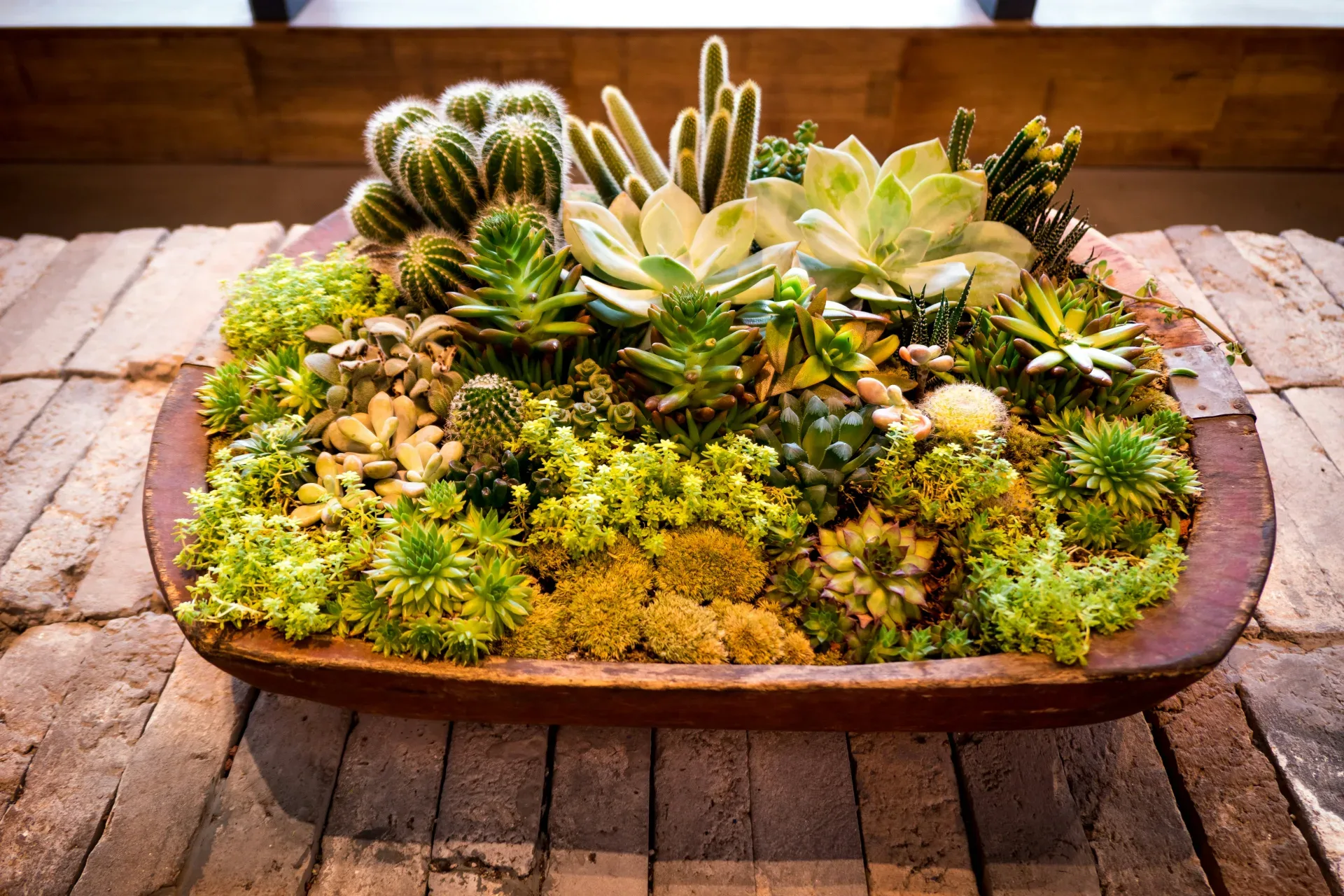
A wooden tray or shallow dish filled with a collection of small succulents and cacti is a low-maintenance, small-footprint plant arrangement that works beautifully on a coffee table, windowsill, sideboard, or dining table. The key is grouping different shapes together — a round rosette next to a tall columnar cactus next to a spreading trailing variety — so the arrangement has visual rhythm and interest. Add a layer of decorative gravel or sand on top of the soil for a finished, polished look. Individual small succulents typically cost $2–$5 each, so a full tray of six or eight plants can be put together for $20–$40 total.
Air Plants on a Driftwood Mount
Air plants (tillandsia) are among the most small-space-friendly plants in existence — they need no soil, no pot, and very little maintenance. Mounted on a piece of driftwood, arranged inside a small geometric glass terrarium, or simply balanced on a shelf among your other objects, they add a sculptural, unusual quality that no other plant can quite replicate. They absorb water through their leaves and need only a light misting or a brief weekly soak. A few air plants on a small driftwood piece costs $15–$30 total and creates a display that always gets comments from guests.

A Single Statement Plant in a Corner
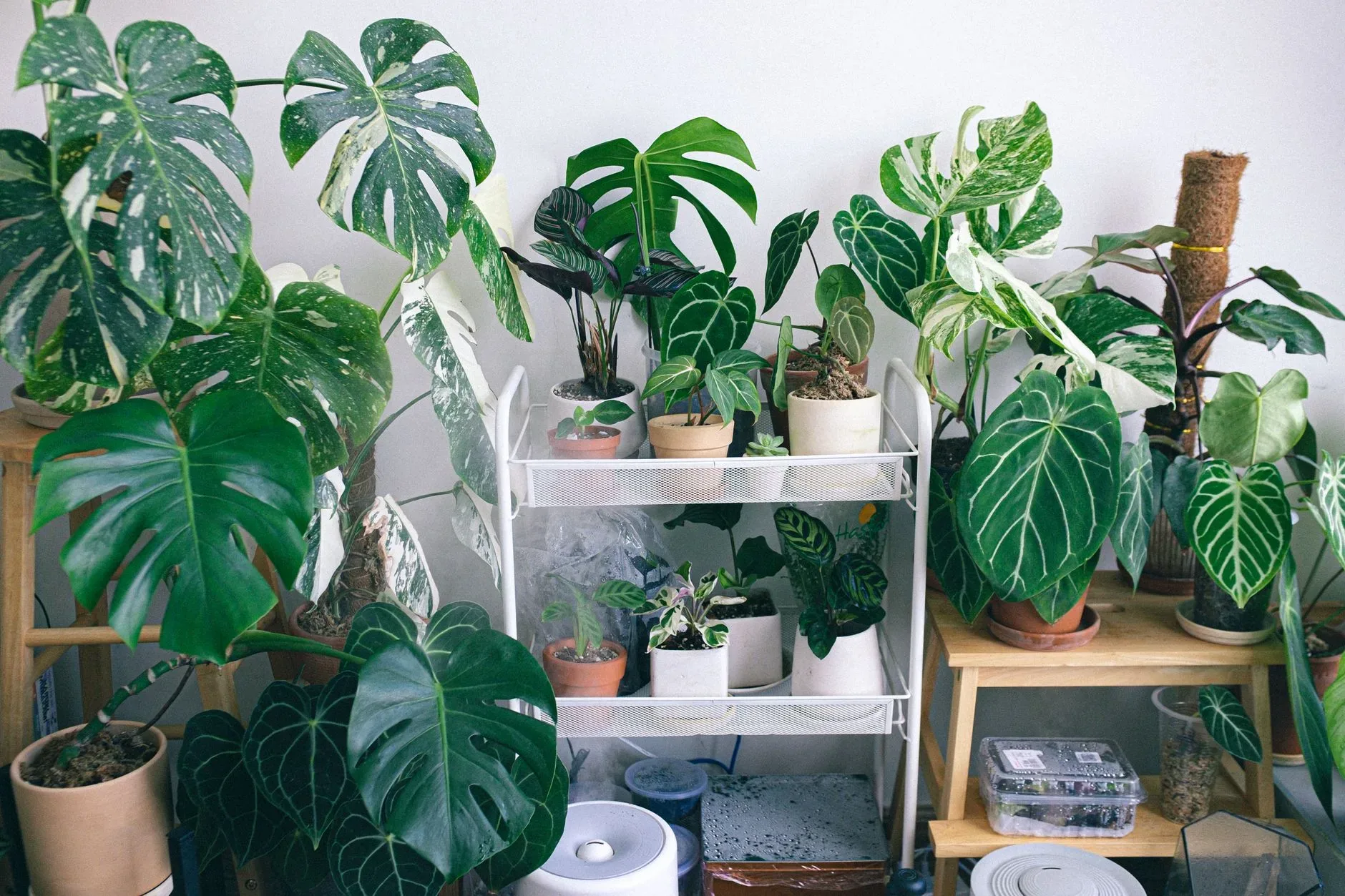
Sometimes one well-chosen plant in the right spot does more for a small space than a dozen smaller ones scattered around. A medium-to-large snake plant, a compact monstera, a small fiddle leaf fig, or a peace lily placed in a corner — ideally near a window — creates a focal point that anchors the whole room. The key is choosing a plant whose shape and size suits the corner: an upright snake plant for a narrow gap, a spreading monstera for a wider corner with good light. A single statement plant in a quality ceramic or terracotta pot typically runs $25–$60 and looks immediately intentional.
Plants in the Bathroom
A small bathroom is actually one of the best places in a small home to add a plant arrangement, because the humidity created by showers and baths creates ideal conditions for many humidity-loving varieties. A pothos on a shelf, a small fern on the edge of the sink, a trailing plant on top of a cabinet, or eucalyptus stems in a vase near the shower all work beautifully and make a small bathroom feel like a spa. Bathrooms often don’t have much natural light, so choose accordingly — pothos, ZZ plants, peace lilies, and ferns are all good low-light options. Plants for a bathroom arrangement cost $5–$25 total.

A Desk or Work Corner Plant Cluster
If you work from home or have a study corner, a small plant arrangement on or beside your desk makes the space noticeably more pleasant to spend time in. A small cactus, a tiny succulent, or a compact pothos in a ceramic pot sits beautifully beside a lamp or monitor without taking up meaningful desk space. Research into biophilic design consistently shows that even a small amount of greenery near a workspace reduces stress and improves focus — so this one genuinely earns its place beyond just looking good. Small desk plants typically cost $5–$15 each and last for years with minimal care.

The Kitchen Herb Window Garden
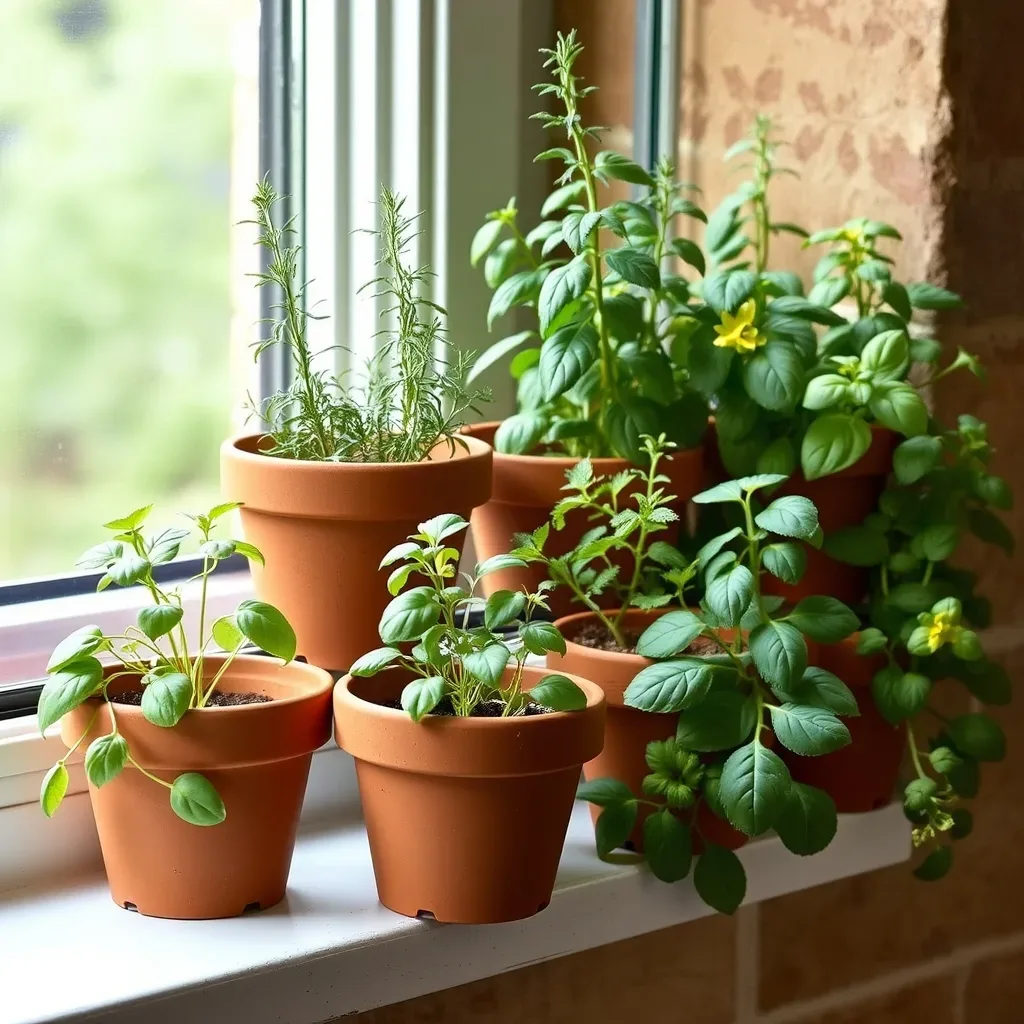
A row of herb plants on a kitchen windowsill is simultaneously the most practical and the most charming indoor plant arrangement for a small space. Basil, rosemary, thyme, mint, and chives all grow happily in small pots on a sunny windowsill, and having fresh herbs within arm’s reach while you cook is genuinely one of the small daily pleasures worth setting up. Use matching terracotta or white ceramic pots for a clean, considered look. Small herb plants from a grocery store or garden centre typically cost $2–$5 each, and the whole arrangement — four pots, a tray to sit them on, and some soil — can be put together for under $25.
A String of Pearls in a Hanging Planter
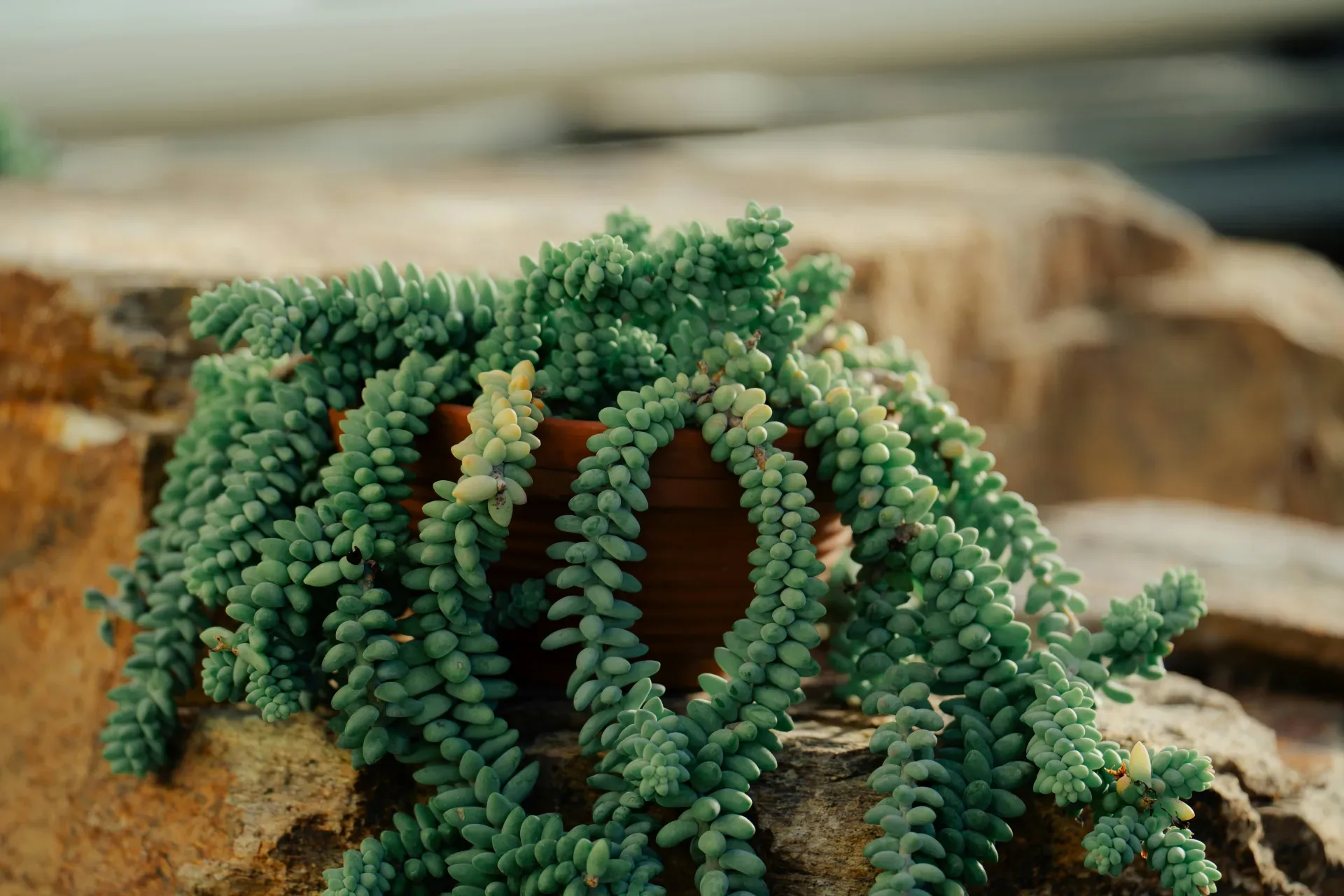
The string of pearls is one of those plants that stops people in their tracks the first time they see it — those long, bead-like vines cascading from a hanging planter are so unusual and beautiful that it barely looks real. In a small space, a hanging planter uses zero floor or shelf space, which makes the string of pearls the perfect combination of show-stopping plant and practical arrangement. It needs bright indirect light and infrequent watering (it’s a succulent), and it grows steadily into something genuinely spectacular over time. String of pearls plants run $10–$20 for a small pot, and a ceramic or rattan hanging planter adds another $15–$30.
Mixed Heights on a Side Table
A side table or small console with plants arranged at different heights is one of the simplest and most effective small-space plant arrangements you can create. The layering principle is simple: something tall at the back (a small snake plant or upright succulent), something medium in the middle (a compact pothos or peace lily), and something small or trailing at the front (a small cactus or hanging piece that drapes slightly off the edge). Different pot sizes and materials add visual interest — try terracotta next to a matte white ceramic next to a small rattan pot. The whole arrangement can be put together for $30–$60.

A Vertical Wall Planter
A vertical wall planter — whether that’s a pocket planter made of fabric or felt, a mounted frame with individual small pots, or a wooden pallet-style structure with rows of small plants — lets you create a genuinely lush display on a single wall without using any floor space whatsoever. This is the most ambitious arrangement on the list, but also one of the most striking, and it’s particularly suited to a small apartment where a living wall effect on one room’s feature wall creates a dramatic, botanical focal point. A basic fabric pocket planter runs $20–$40 and can hold six to twelve small plants; a more structured wall frame runs $50–$100.

Quick Budget Guide
Under $25: Windowsill succulent or herb row, small desk or bathroom plant, air plants on driftwood (basic), bookshelf plant integration (using existing shelves and one new plant).
$25–$75: Macramé hanging planter with plant, grouped succulent tray, plant ladder (budget end), terrarium (ready-made or DIY), string of pearls in hanging planter, mixed height side table arrangement, single statement plant in basic pot.
$75–$150: Plant ladder (quality wood), vertical wall planter (structured frame), high shelf setup with multiple trailing plants, full statement corner plant in quality ceramic pot.
Splurge-worthy: Large statement plant (fiddle leaf fig, bird of paradise, large monstera) in a quality pot ($80–$150+), custom or handmade wall planter frame ($100–$200+).
Why This Actually Works
The reason house plant arrangements work so well in small spaces comes down to a principle that surprises most people: vertical interest makes rooms feel bigger, not smaller. When plants are arranged at multiple heights — a trailing plant up high, a mid-level shelf arrangement, a small plant at table height — the eye moves up and down through the space rather than just across it. That vertical movement makes a room feel taller and more expansive than it actually is. The same square footage, experienced differently, simply because there’s something worth looking at at every level.
Plants also have a unique ability to soften the hard edges of small spaces — the straight lines of walls, shelves, window frames, and furniture. The organic, irregular shapes of leaves and trailing vines create a contrast with all that geometry that makes a room feel more natural and less confined. This is particularly valuable in small apartments where there’s limited ability to change the architecture — you can’t knock down a wall, but you can put a trailing pothos on a shelf and let it change the whole quality of the room.
The other thing worth knowing is that the pots and containers matter as much as the plants themselves when it comes to creating a beautiful arrangement. Mismatched plastic nursery pots make even the most beautiful plants look like an afterthought. Transferring plants into terracotta, ceramic, or rattan pots — even inexpensive ones — immediately elevates the whole display. You don’t need matching pots across everything, but keeping a consistent material palette (terracotta and natural materials, or white and neutral ceramics, for example) creates the visual cohesion that makes an arrangement look designed rather than accumulated.
Final Thoughts
Small spaces and big plant collections are not mutually exclusive — in fact, some of the most beautiful plant-filled rooms on Pinterest are quite small. The trick is thinking vertically, choosing the right varieties for your light conditions, and giving each arrangement a little thought before you start rather than just putting plants wherever there’s a surface. Start with one idea from this list — maybe a macramé hanger near a window, or a trailing pothos on a high shelf — and see how it changes the room. It usually takes less than a day to go from bare shelf to genuinely beautiful display.
If this gave you some arrangements worth trying, save this post to your Pinterest boards for easy reference next time you’re at a garden centre wondering what to do with that sunny corner. And drop a comment below — I’d love to know which arrangement you’re planning to try first!