A dining room that feels elegant doesn’t have to mean an expensive renovation or a complete furniture overhaul. Some of the most beautiful dining rooms come together through small, intentional decisions — the right lighting, a thoughtful centerpiece, a piece of art that anchors the wall. It’s about the details, and the good news is that most of them cost very little.
These 17 dining room decor ideas are all about getting that polished, put-together look without spending a lot. Whether you’re working with a dedicated dining room or just a corner of your open-plan space, there’s something here for every home and every budget.
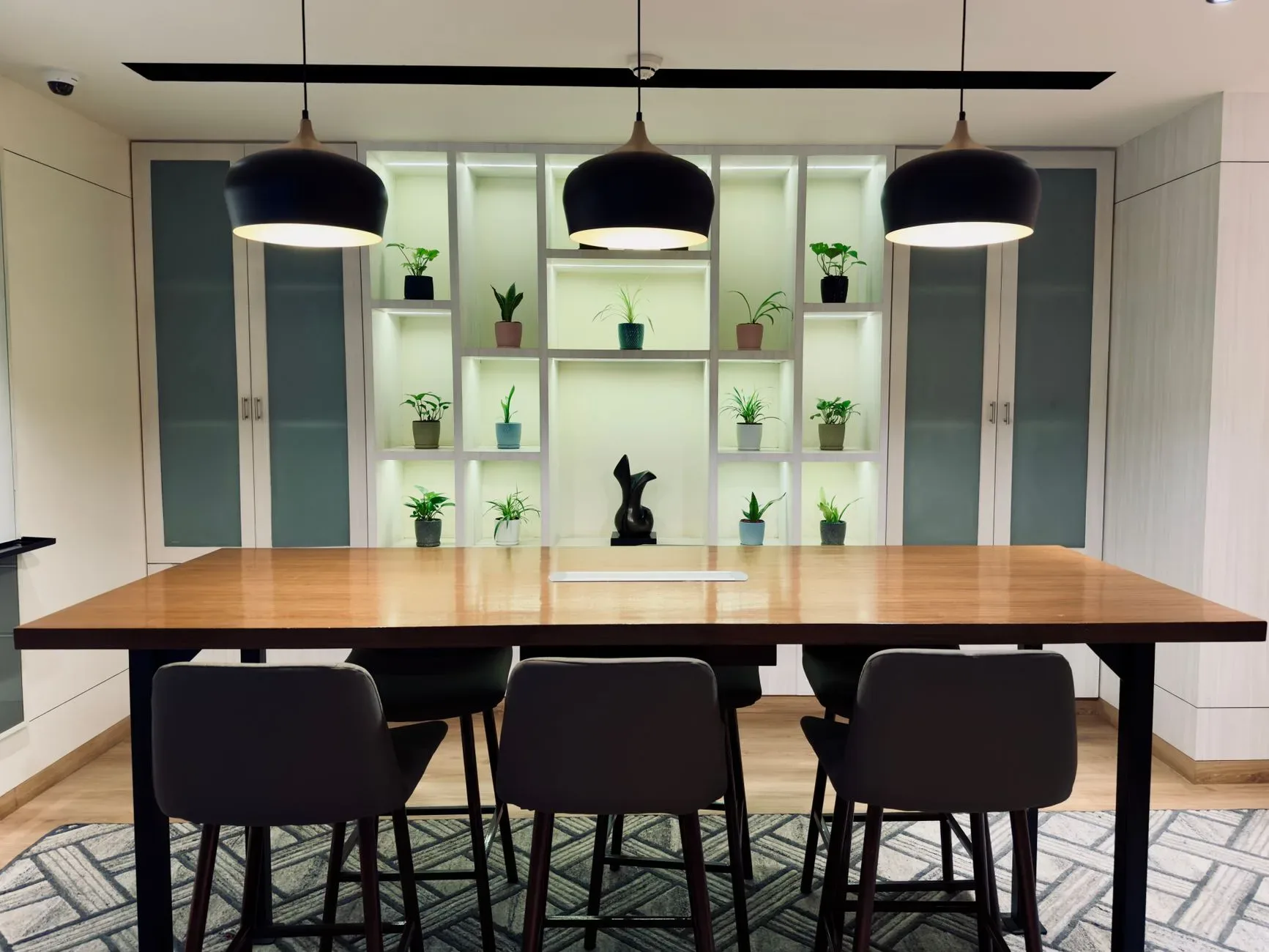
Hang a Statement Light Over the Table
Nothing elevates a dining room faster than a beautiful light fixture hanging directly over the table. It’s the first thing people notice when they walk in, and it sets the tone for everything else in the room. You don’t need a grand chandelier — a cluster of simple globe pendants, a single rattan shade, or a sleek black metal fixture all read as intentional and elegant when positioned correctly. The general rule is to hang the bottom of the fixture 30–36 inches above the tabletop. Budget pendant lights start around $40–$80 and genuinely make the room feel like a different space.
Style a Centrepiece on the Table
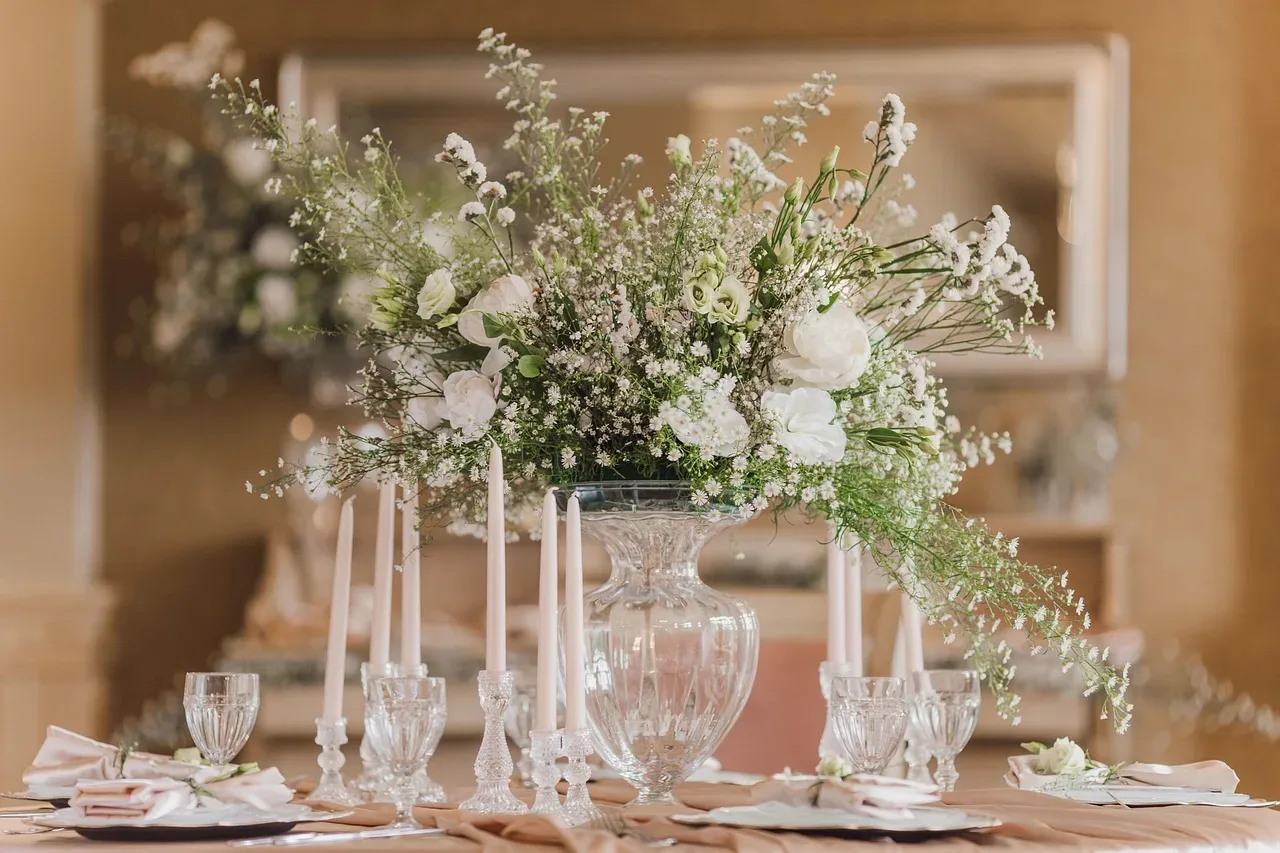
A well-styled centrepiece is the single most impactful thing you can do to make a dining table look elegant on a daily basis — not just when guests are coming. Keep it low enough that people can see each other across the table: a shallow bowl with fruit, a trio of pillar candles on a wooden tray, a small vase of stems, or a long linen table runner with a few objects placed along it. The trick is restraint — three well-chosen pieces always look better than ten cluttered ones. A beautiful centrepiece can be put together for as little as $15–$30 using what you already own plus a few inexpensive additions.
Add Upholstered Dining Chairs
Swapping out plain wooden or plastic dining chairs for upholstered ones is one of the most dramatic upgrades you can make to a dining room. Fabric chairs — velvet, boucle, linen, or leather — add softness and luxury that hard chairs simply can’t deliver. They also make long dinners noticeably more comfortable, which is a practical win alongside the aesthetic one. If replacing all your chairs isn’t in the budget right now, start with just the two end chairs in a different upholstered style — it creates a collected, curated look that actually looks more intentional than a perfectly matched set. Upholstered dining chairs start around $60–$120 each.
Hang a Large Mirror on One Wall
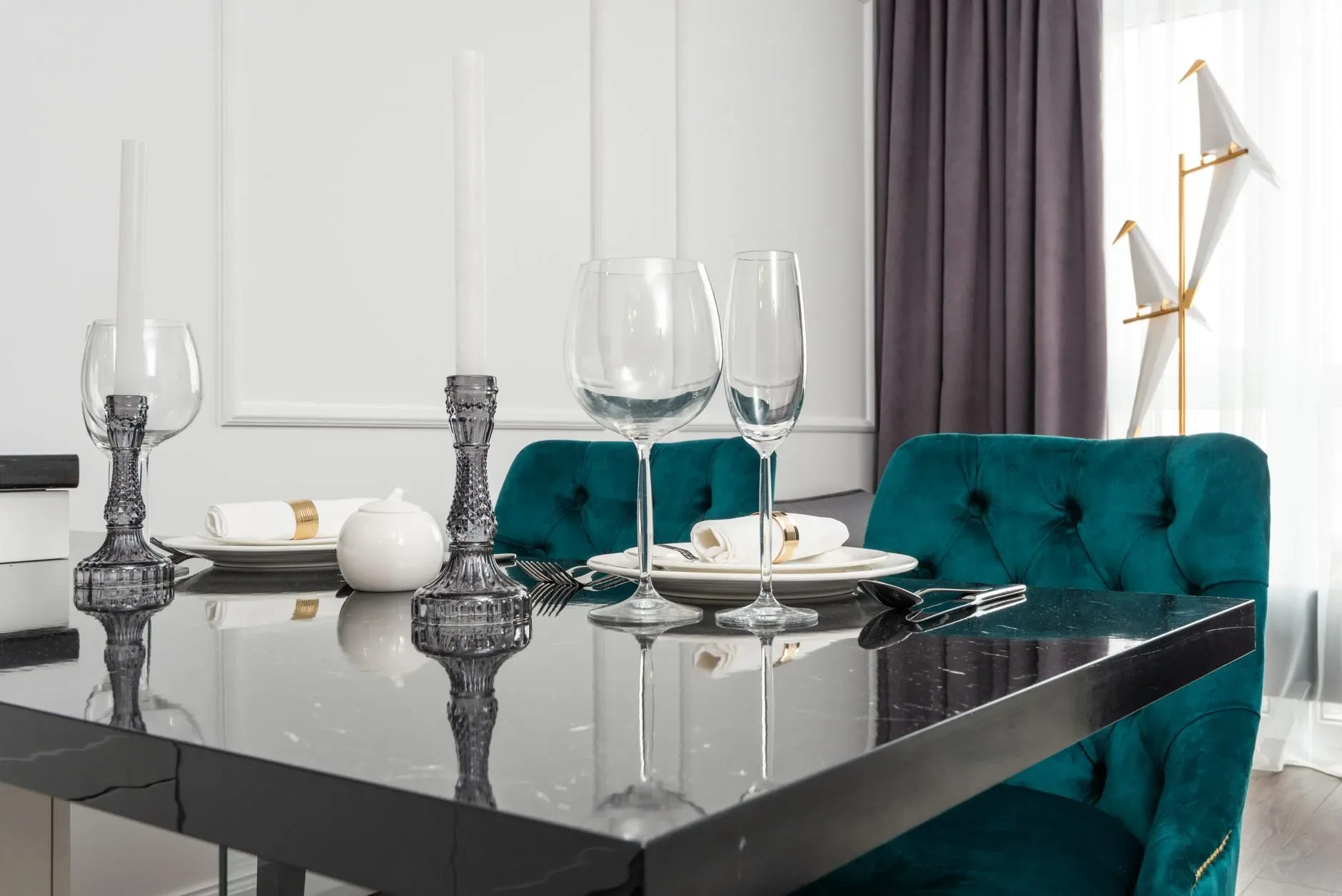
A large mirror in a dining room does two things: it bounces light around the space beautifully, and it makes the room feel significantly larger. An arched or ornate-framed mirror leaned against or hung on the wall opposite a window is particularly effective — it reflects the natural light and creates a sense of depth that no paint color can replicate. In a smaller dining space, this is one of the best tricks available. A large decorative mirror runs anywhere from $60–$150 depending on the frame style, and it photographs beautifully for anyone who likes to share their home online.

Introduce Floor-Length Curtains
Floor-to-ceiling curtains in a dining room add an instant sense of height, warmth, and refinement — the kind of quality you associate with proper, designed spaces. Even if your dining room doesn’t have large windows, hanging curtains high and wide creates the impression of them. Linen, velvet, and cotton-blend curtains all work well; stick to muted, sophisticated tones like warm white, taupe, forest green, dusty rose, or deep navy. Hanging the rod close to the ceiling and letting the curtains just skim the floor is the key to getting that luxurious, editorial look. A pair of quality curtain panels runs $40–$80.

Create a Feature Wall with Wallpaper or Paint
A single feature wall in a dining room — whether that’s a rich paint color, a botanical wallpaper, or a classic wainscoting — creates a backdrop that makes the whole room feel more considered. Deep moody tones like midnight blue, bottle green, or warm terracotta work especially well in dining rooms because they make the space feel intimate and atmospheric, which is exactly the right energy for sharing a meal. Peel-and-stick wallpaper is a great renter-friendly option and typically costs $40–$80 for one wall. A tin of good paint for a feature wall runs $20–$30 and takes an afternoon.

Style a Sideboard or Buffet
A sideboard or buffet along one wall of a dining room serves double duty: practical storage for table linens, candles, and serving pieces, and a beautiful surface for styling. A well-dressed sideboard — a tall vase, a stack of books, a small lamp, a tray with a few objects — adds a whole extra layer of character to the room. If you already have a sideboard, consider giving it a refresh with new hardware, a coat of paint, or simply clearing it off and restyling it with fewer, better pieces. New sideboards start around $150–$300, but secondhand ones in great condition are often available for a fraction of that.

Layer in Candlelight
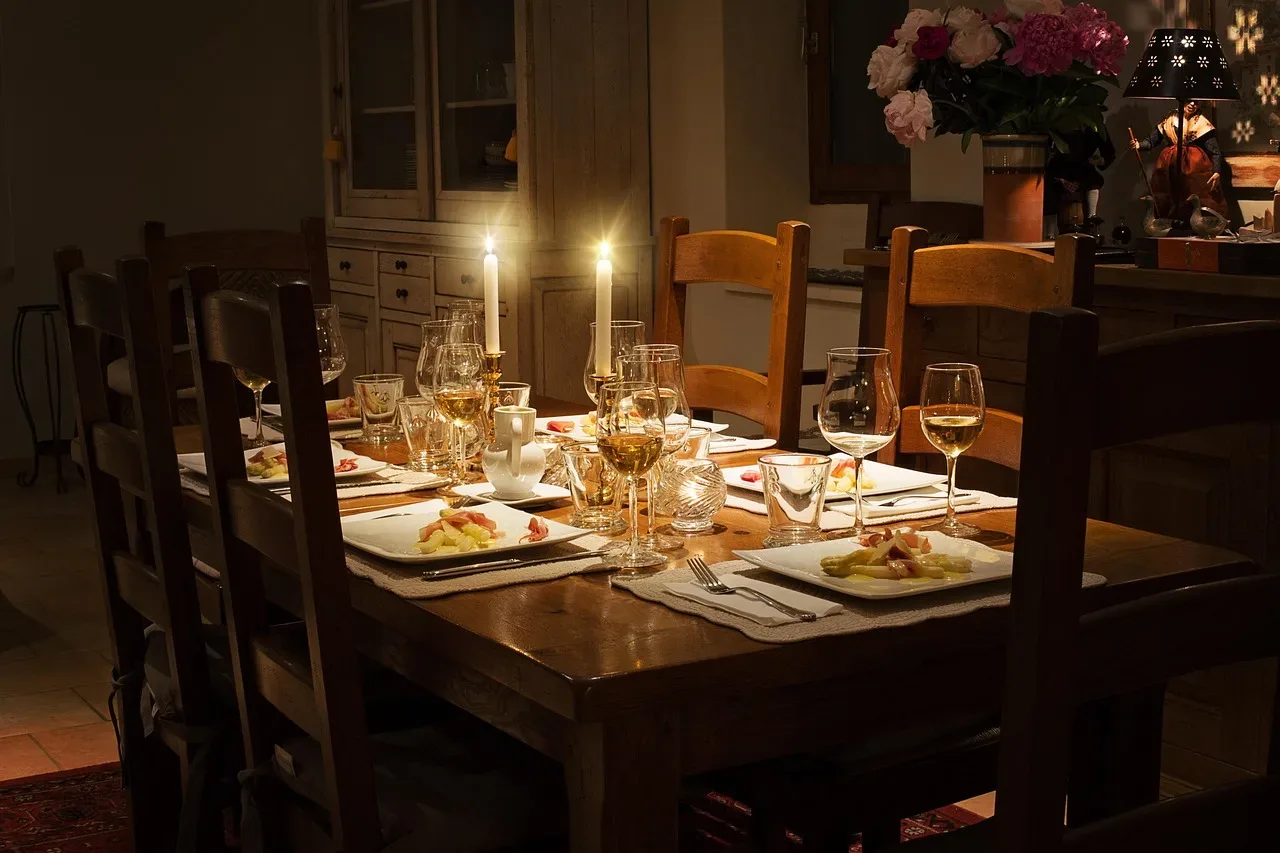
There’s a reason candlelight has been the go-to for romantic and elegant dining for centuries — it’s genuinely flattering, warm, and atmospheric in a way no electric light can fully replicate. A cluster of pillar candles in varying heights on a wooden tray, a pair of taper candles in simple candlestick holders, or tea lights inside glass votives scattered down the centre of the table all create that soft, golden glow that makes a dining room feel special. This is one of the lowest-cost elegant dining room ideas on the list — a good set of candles and holders runs $15–$30 and creates an atmosphere that impresses every time.
Hang Art That Anchors the Room
A large piece of art — or a small gallery of framed prints — on the main wall of a dining room gives the eye somewhere meaningful to land and makes the space feel genuinely curated. Abstract art in warm earthy tones, botanical illustrations, black and white photography, or even an oversized vintage-style print all work beautifully in a dining room. The key is scale: go bigger than you think. A piece that’s too small on a large wall looks like an afterthought, while a well-sized work commands the room. Downloadable prints from Etsy plus a good frame from a home store keep this update well under $50–$80 total.

Add a Rug Under the Table
A rug under a dining table is one of those details that separates a room that’s been decorated from one that’s been designed. It grounds the whole dining area, defines the space within an open-plan room, and adds texture and warmth underfoot. The key is sizing — the rug needs to be large enough that all four chair legs sit on it even when pulled out. For most dining tables, that means a minimum of 8×10 feet. Natural fiber rugs (jute, sisal, or wool) are particularly beautiful under a dining table and age gracefully. A quality dining room rug typically runs $100–$250, making it one of the larger investments on this list — but also one of the most transformative.

Bring in a Tall Indoor Plant
A single tall plant in a dining room — a fiddle leaf fig, a large snake plant, an olive tree, or a leafy monstera — adds life and warmth that no decor object can replicate. In a room that can sometimes feel formal or stiff, a plant immediately relaxes the space and brings in a natural, organic quality. Position it in a corner near a window for maximum effect, and choose a pot in a material that complements your dining room — terracotta, brass, or a simple white ceramic all work beautifully. A medium-to-large plant typically runs $25–$60, and the visual impact is well above its price point.

Upgrade Your Table Setting
How you dress your table on a day-to-day basis matters more than most people give it credit for. A simple linen table runner, a set of matching cloth napkins folded neatly, and a few good-quality plates and glasses don’t require a special occasion — and they make every meal feel a little more considered. This is the kind of detail that makes guests feel genuinely welcomed and cared for. Linen napkins run around $20–$40 for a set of four, a simple table runner costs $15–$30, and the upgrade to your daily dining experience is completely disproportionate to the cost.

Add Wainscoting or Wall Panelling
Wainscoting — wooden panelling on the lower half of a dining room wall — is one of those architectural details that makes a room feel genuinely elevated and expensive. The classic look pairs panelling on the lower third of the wall with a contrasting paint color above, but even a simple board-and-batten treatment achieves a similar effect for a fraction of the cost. It’s a more involved DIY project than most on this list, but the result is the kind of permanent, character-rich feature that adds real value to a home. Materials for a DIY wainscoting project typically run $100–$200 depending on room size, and there are excellent tutorials available online.

Style a Bar Cart in the Corner
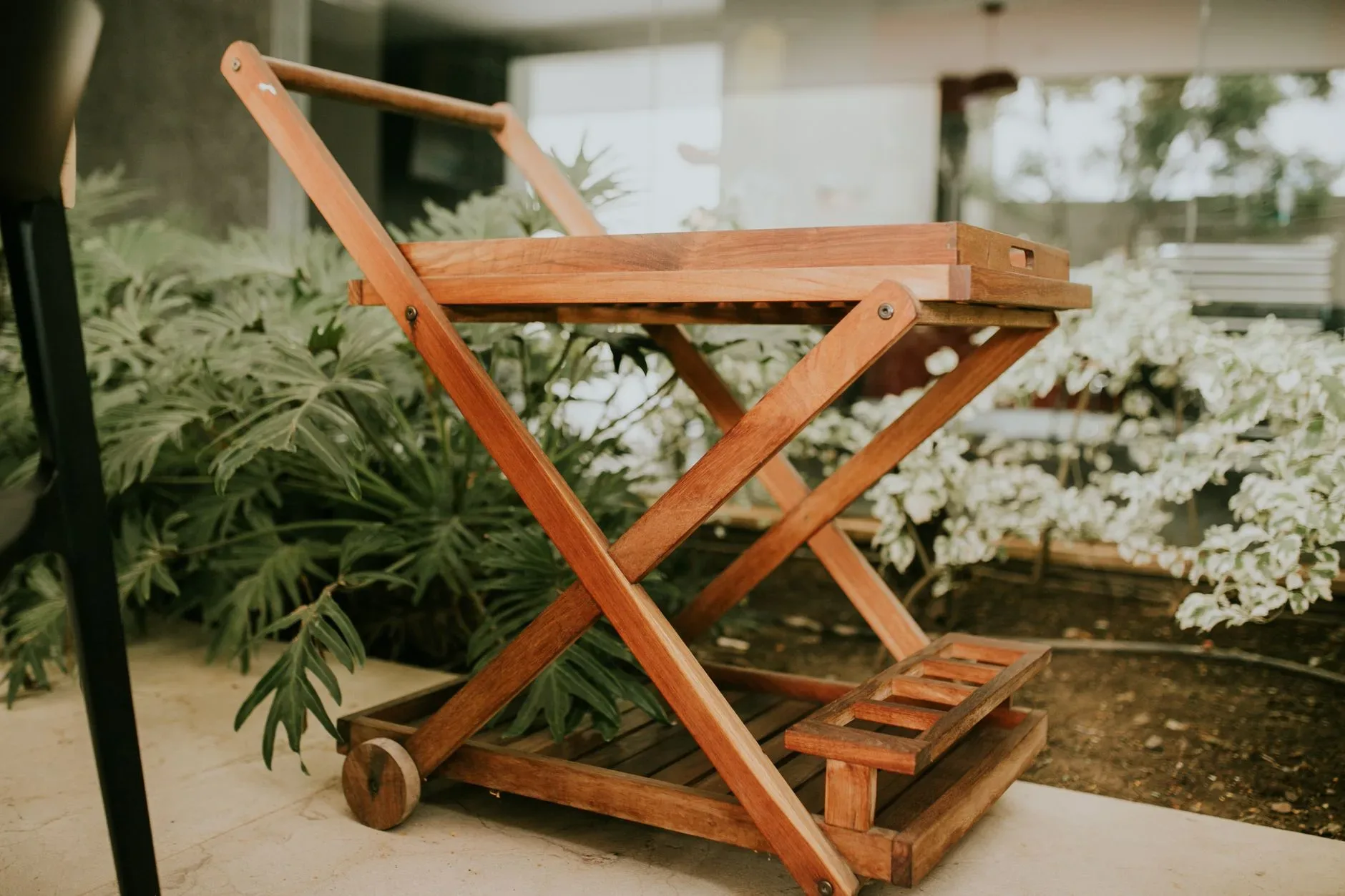
A bar cart in a dining room is equal parts practical and decorative — it gives you a dedicated place for drinks, glassware, and serving pieces while also functioning as a beautifully styled corner vignette. Gold or brass-toned carts look especially elegant in a dining room; pair them with a few quality bottles, some glassware, a small plant, and a candle. You don’t have to drink alcohol for a bar cart to work — it can just as easily hold sparkling water, fancy teas, a coffee setup, or a curated collection of serving accessories. A solid bar cart runs $60–$150 and earns its place in the room immediately.
Swap in New Hardware on Furniture
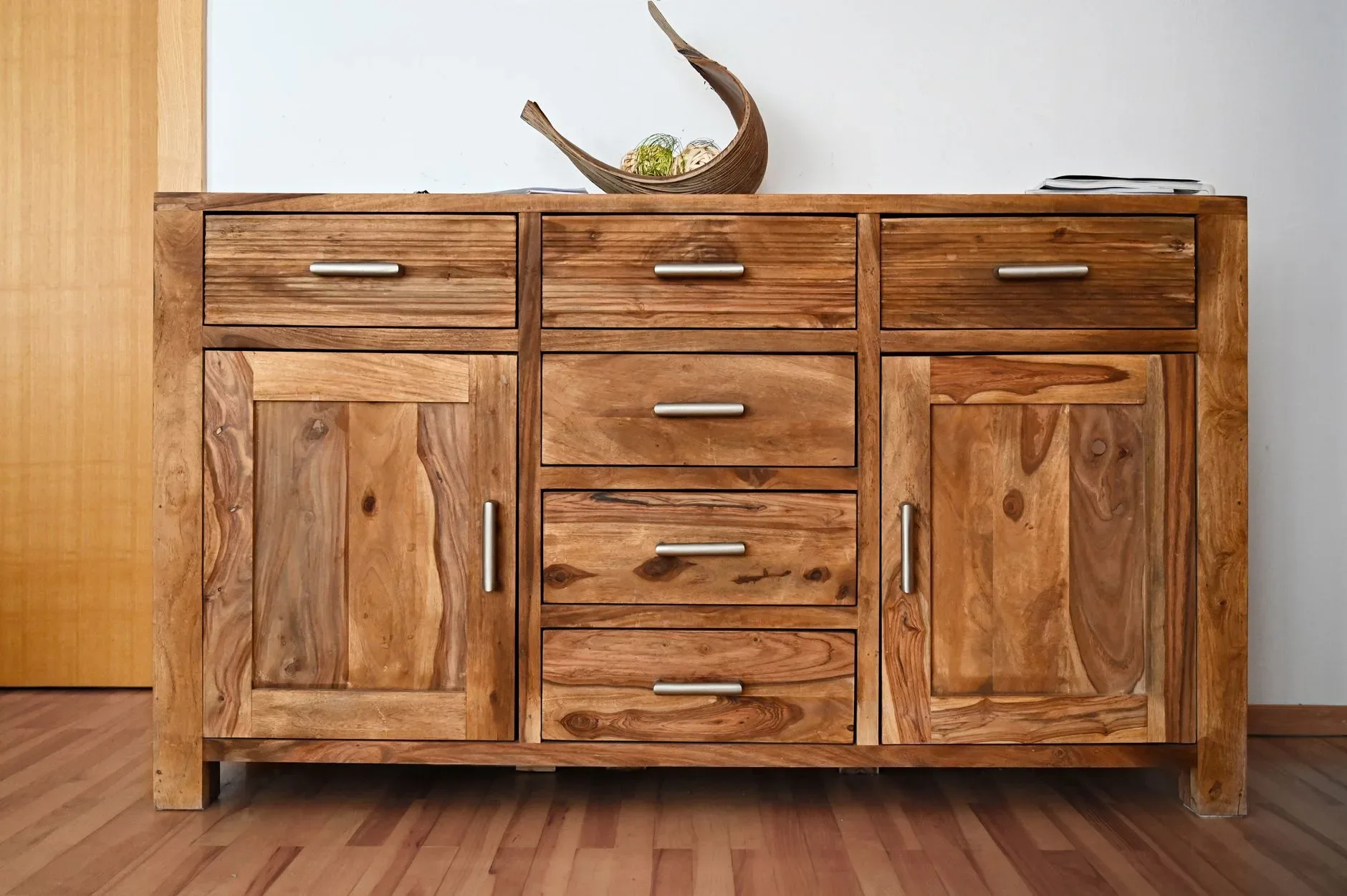
This is the most underrated dining room update on the list, and also one of the cheapest. If you have a sideboard, buffet, or any storage furniture in your dining room with dated or plain hardware, swapping in new pulls and knobs is a thirty-minute job that completely changes how the piece looks. Brass, matte black, ceramic, and antique bronze are all hardware finishes that read as elegant and intentional. A full set of new hardware for a sideboard typically costs $20–$50 total depending on how many pieces you need, and the before-and-after difference is genuinely surprising.
Use a Tray to Corral Table Styling
A tray on your dining table is a styling trick that works in the same way as a bedside tray — it contains a collection of small objects into one composed grouping that looks intentional rather than scattered. A wooden, marble, or rattan tray holding a candle, a small vase with a single stem, and maybe a decorative object creates a centrepiece that looks effortlessly styled. It also makes it easy to clear the table quickly for meals — just lift the tray off. Decorative trays run $15–$40 and are one of the most versatile styling tools in a home.

Paint the Ceiling a Moody or Unexpected Color
A painted ceiling in a dining room is one of those moves that takes genuine confidence — and delivers a genuinely stunning result. Deep navy, forest green, terracotta, or even a warm charcoal on the ceiling creates an enveloping, intimate atmosphere that makes a dining room feel like a destination rather than just a room you pass through. It’s particularly effective in a dining room because you spend your time there seated, looking slightly upward — which means the ceiling is more in your sightline than in any other room in the house. One can of ceiling paint runs $20–$35 and transforms the room in an afternoon.

Quick Budget Guide
Under $25: Styled table centrepiece (using existing items), candlelight setup, tray for table styling, new hardware for furniture pieces, downloaded art prints.
$25–$75: Statement pendant light (budget end), floor-length curtains, large framed art print, tall indoor plant, linen napkins and table runner, painted feature wall, painted ceiling.
$75–$150: Statement pendant light (mid-range), large decorative mirror, bar cart, sideboard (secondhand), botanical peel-and-stick wallpaper feature wall.
Splurge-worthy: Upholstered dining chairs ($60–$120 each), dining room rug ($100–$250+), new sideboard ($150–$300+), DIY wainscoting materials ($100–$200).
Why This Actually Works
Elegance in a dining room comes down to one thing more than anything else: intention. A room that feels elegant is one where every element seems chosen rather than accumulated — where the lighting, the centrepiece, the art, and the textiles all speak the same visual language. You don’t need expensive furniture to achieve this. You need coherence, and coherence costs nothing. Picking two or three ideas from this list that share a common aesthetic — warm metals, natural linen, dark moody tones — and committing to them creates a room that feels more designed than a space filled with expensive mismatched pieces.
Lighting deserves special mention in a dining room because it’s doing more work here than in almost any other room in the house. The right fixture overhead, supplemented by candlelight on the table and perhaps a small lamp on a sideboard, creates layers of warm, directed light that makes everyone and everything look better. Overhead lighting alone — especially cool or bright overhead lighting — flattens a dining room and makes it feel functional rather than inviting. Swapping to warm bulbs and adding a pendant or two is the single fastest way to shift the atmosphere of any dining space.
The other principle worth understanding is the power of vertical interest. Dining rooms that feel flat usually have all their decor happening at table height — there’s nothing pulling the eye up or grounding it below. Floor-length curtains, a tall plant, a ceiling treatment, or a large piece of art all add vertical movement that makes the room feel taller, richer, and more considered. You don’t need all of these at once — just one strong vertical element can shift the entire feel of the room.
Final Thoughts
You really don’t need to spend a lot to have a dining room that feels elegant and considered. A new pendant light, a well-styled centrepiece, and a large mirror can do more for the look of a dining room than a whole new furniture set — and they cost a fraction of the price. Start with the one update that excites you most and build from there. Every good room comes together one decision at a time.
If this gave you some ideas worth holding onto, save this post to your Pinterest boards so you can come back to it when you’re ready to start. And if you do try something — however small — I’d love to hear about it in the comments. Which idea are you thinking of trying first?