Introduction to the Art of Mehndi
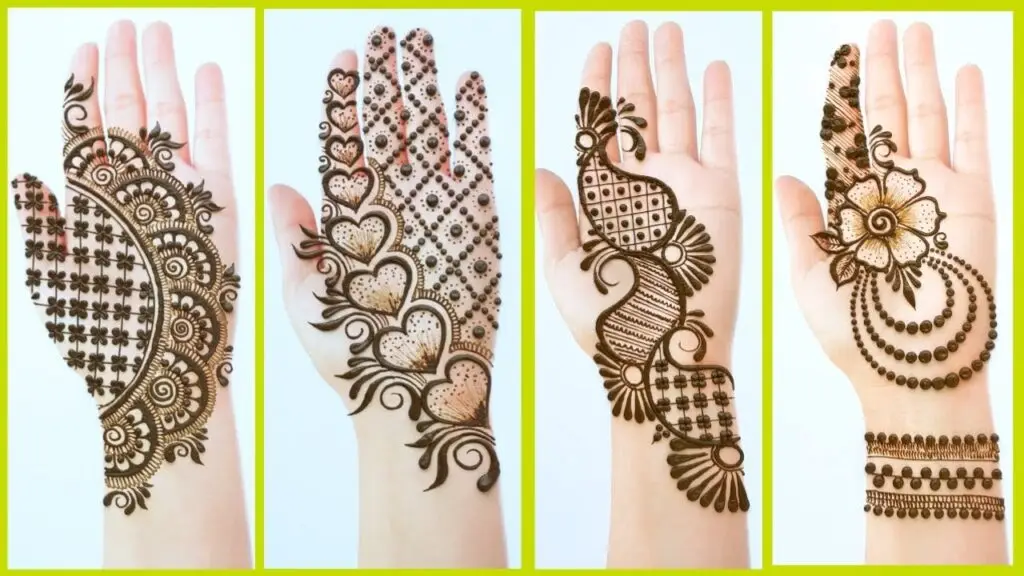
Arabic vs Indian Mehndi Designs represent two of the most popular and culturally rich henna styles in the world. Mehndi, the ancient art of applying intricate designs using henna paste, is more than simple decoration—it symbolizes joy, celebration, love, and spiritual blessings.
From the bold, flowing patterns of the Middle East to the dense, symbolic designs of the Indian subcontinent, Arabic vs Indian Mehndi Designs differ in style, meaning, and application. This guide explores their history, characteristics, and uses to help you choose the perfect mehndi style for your next celebration.
Understanding Arabic Mehndi Designs
Origin and History
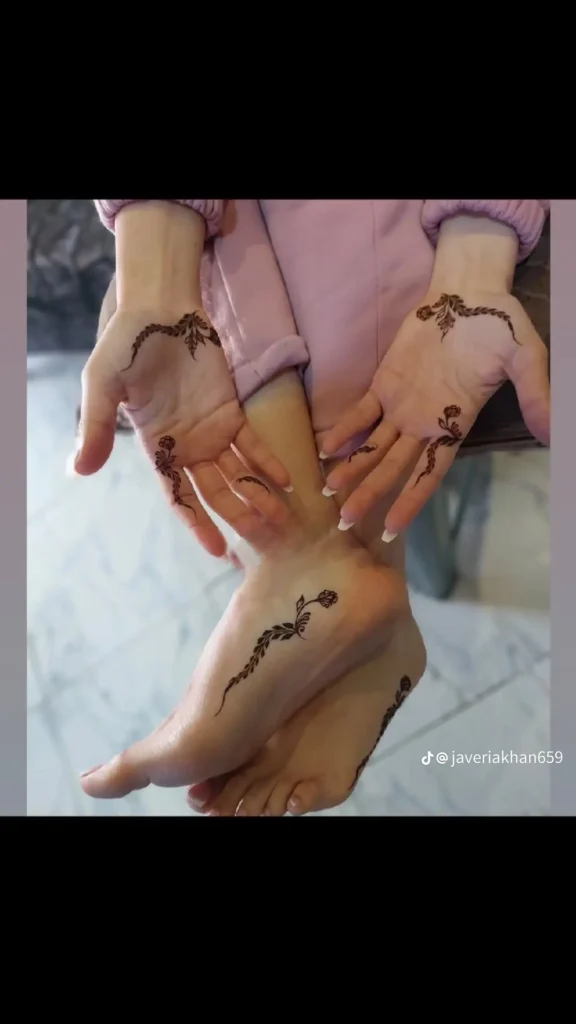
Arabic mehndi originated in the Middle East, particularly in regions such as the UAE, Saudi Arabia, and Egypt. It is admired for its modern, elegant appearance and emphasis on artistic flow and wearability.
Key Characteristics of Arabic Mehndi
- Bold Floral Patterns
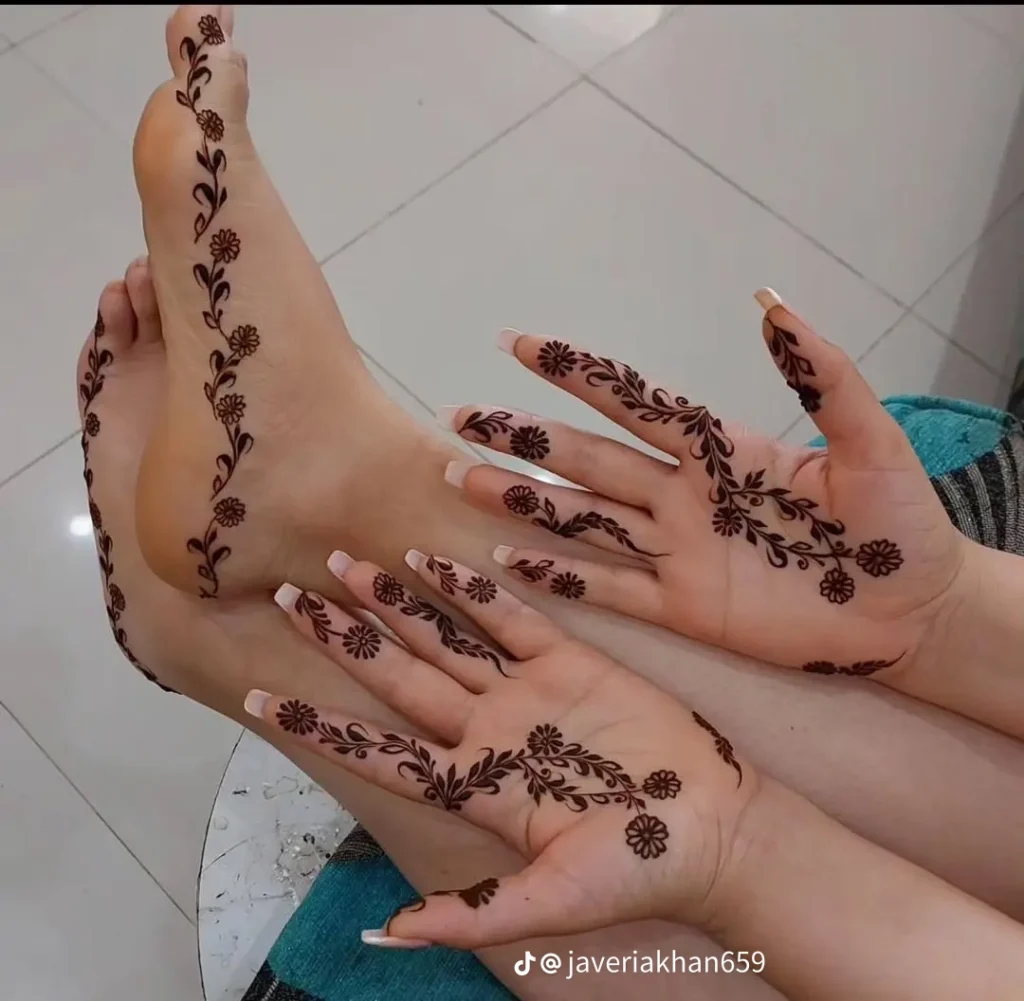
Large flowers, leafy vines, and sweeping trails create a striking yet airy look. - Strategic Use of Negative Space
Arabic mehndi embraces minimalism by leaving visible skin between patterns. - Free-Flowing Style
Designs follow the natural curves of the hand and arm, giving a soft and graceful effect.
Common Motifs & Occasions
- Popular Motifs: Roses, paisleys, lattice work, leafy vines
- Ideal For: Eid celebrations, engagements, parties, bridesmaids, and semi-formal events
Understanding Indian Mehndi Designs
Origin and History
Indian mehndi is deeply rooted in the traditions of India, Pakistan, and Bangladesh. It holds special importance in weddings, especially during the Mehndi ceremony. In addition, it is widely used during festivals such as Diwali, Karva Chauth, and religious events.
Key Characteristics of Indian Mehndi
Dense and Intricate Coverage
Hands and feet are often fully covered with detailed and fine-line patterns.
Rich Symbolism
Many designs represent love, fertility, prosperity, and blessings. For this reason, Indian mehndi is considered meaningful and auspicious.
Structured Complexity
Patterns are carefully planned and often include mandalas, peacocks, or bridal figures. As a result, this style takes more time to apply.
Common Motifs & Occasions
Popular Motifs: Peacocks, lotus flowers, mandalas, religious symbols, bride-and-groom figures
Ideal For: Weddings, traditional festivals, religious rituals, and cultural ceremonies
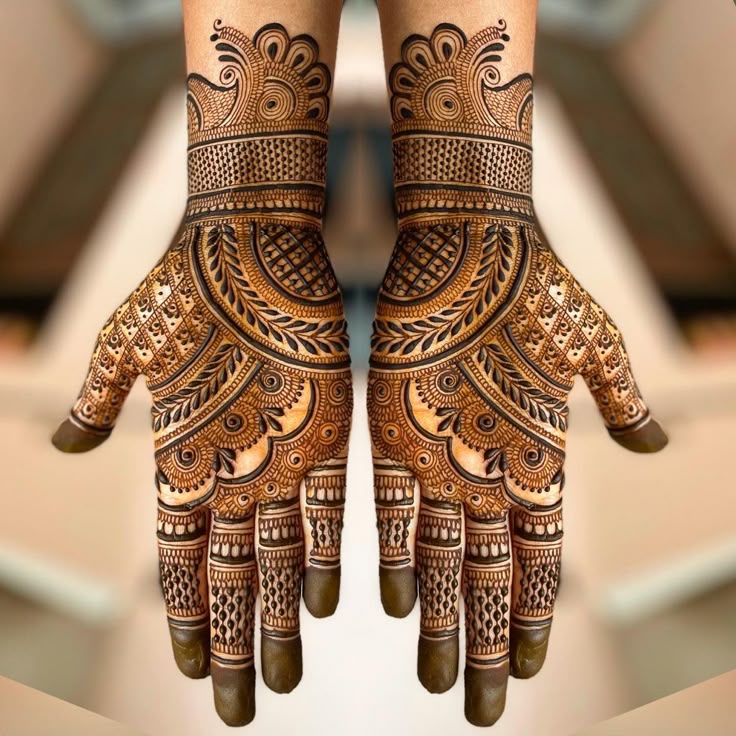
Arabic vs Indian Mehndi: A Detailed Comparison
| Feature | Arabic Mehndi | Indian Mehndi |
|---|---|---|
| Style & Aesthetic | Minimalist, bold, modern | Intricate, detailed, traditional |
| Coverage | Partial with visible skin space | Full coverage of hands and feet |
| Pattern Style | Large florals, flowing vines | Fine lines, geometric and symbolic |
| Complexity | Easier and quicker to apply | Highly complex and time-consuming |
| Symbolism | Mostly decorative | Deep cultural and spiritual meaning |
| Best For | Parties, Eid, modern events | Weddings, festivals, rituals |
Choosing the Right Mehndi Style: A Quick Guide
Based on Occasion
For weddings and religious ceremonies, Indian mehndi is the best choice.
For parties and festive gatherings, Arabic mehndi works beautifully.
Based on Personal Style
Love clean and bold designs? → Arabic mehndi
Prefer rich detail and tradition? → Indian mehndi
Based on Time & Budget
Arabic mehndi takes less time and is more budget-friendly.
On the other hand, bridal Indian mehndi requires more time, skill, and investment.
Current Mehndi Trends (2026 Outlook)
The future of mehndi focuses on creativity and personalization. Currently, these trends are gaining popularity:
- Indo-Arabic Fusion – Arabic flow mixed with Indian details
- Minimalist Bridal Mehndi – Light and elegant designs for modern brides
- Mixed Media Mehndi – White henna, shimmer lines, and soft jewels
- Personalized Elements – Initials, wedding dates, and meaningful symbols
5 Pro Tips for a Darker, Longer-Lasting Mehndi Stain
Prepare Your Skin
Clean and oil-free skin helps the color develop better.
Be Patient
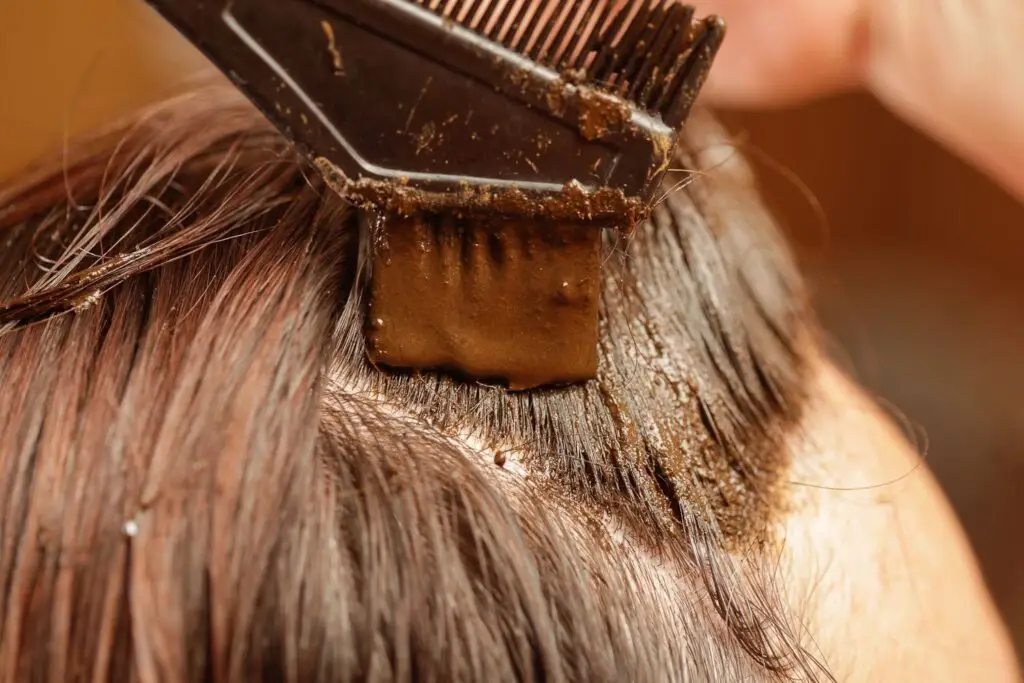
Let the paste dry and stay on for 6–8 hours. After that, seal it with a lemon-sugar mix.
Apply Gentle Heat
Warmth deepens the stain. However, avoid strong heat.
Avoid Water
Keep the area dry for at least 12–24 hours after removal.
Moisturize Regularly
Use natural oils or shea butter to protect the stain.
Conclusion
Choosing between Arabic and Indian mehndi is not about which style is better. Instead, it is about personal taste and cultural connection. Arabic mehndi reflects modern elegance and simplicity, while Indian mehndi represents tradition, symbolism, and depth.
Overall, each style tells a story—your story. No matter which one you choose, you become part of a timeless art that celebrates life’s happiest moments.
Frequently Asked Questions (FAQs)
1. What is the main difference between Arabic and Indian mehndi?
Arabic mehndi uses bold, spaced designs, while Indian mehndi focuses on dense and detailed patterns.
2. Which mehndi style is best for weddings?
Indian mehndi is traditionally preferred for weddings.
3. Is Arabic mehndi quicker to apply?
Yes, because it has lighter coverage.
4. Can both styles be combined?
Absolutely. Indo-Arabic fusion is very popular.
5. Which style looks more modern?
Arabic mehndi is usually considered more modern and minimalist.