There’s something about a well-placed plant that makes a room feel immediately more alive — more intentional, more you. Whether you have a green thumb or a long and complicated history of accidentally killing succulents, there are indoor plants and plant styling ideas out there that genuinely work for your space, your light, and your life.
These 15 aesthetic indoor plant ideas cover everything from the easiest plants for beginners to clever styling tricks that make even one single plant look like a Pinterest-worthy moment. None of these require special skills or a big budget. Just a little curiosity and maybe a Sunday afternoon.
Let a Pothos Trail from a High Shelf
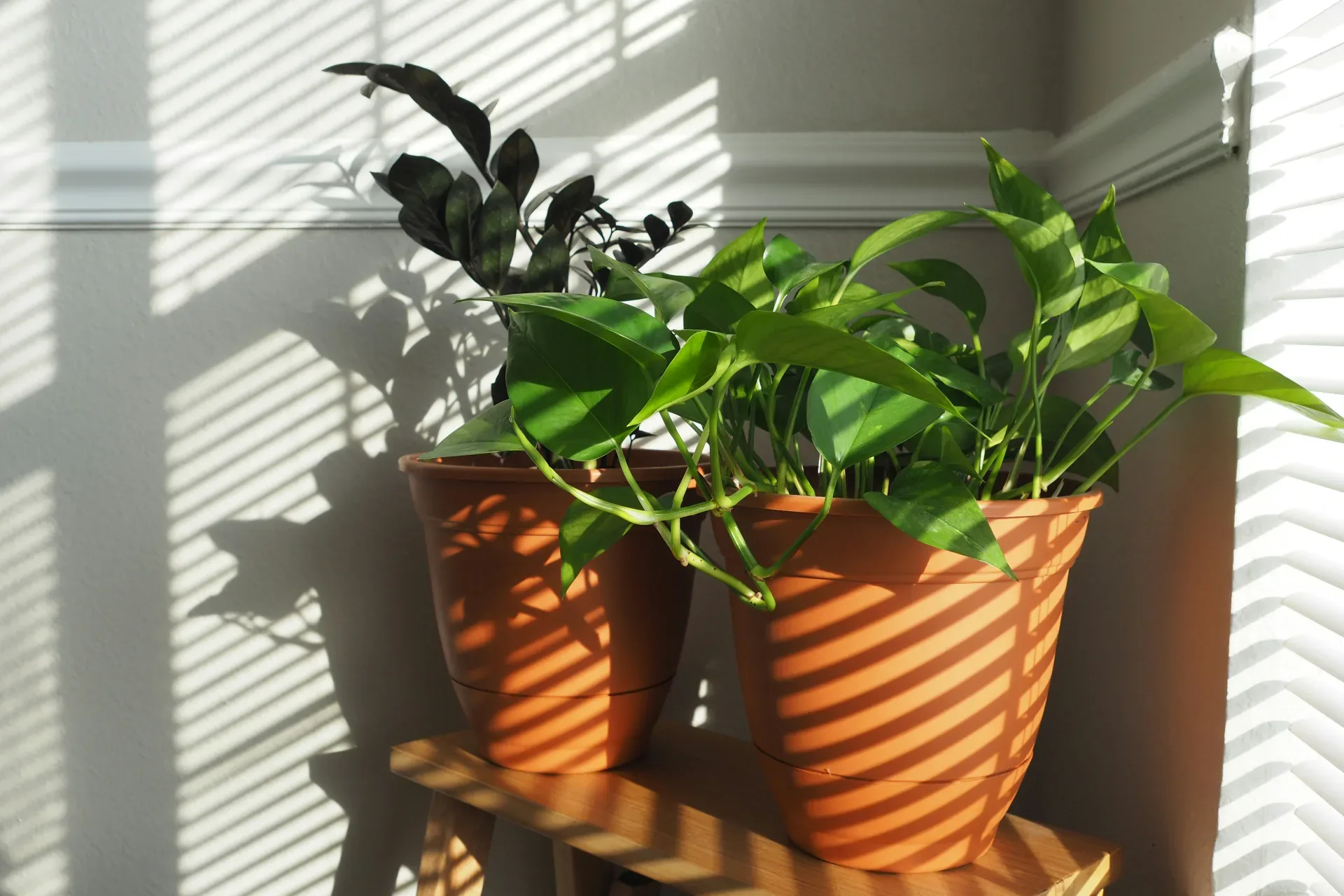
If there’s one plant that earns its reputation as the perfect starter plant, it’s the golden pothos. It’s nearly indestructible, grows fast, and looks absolutely beautiful trailing down from a high shelf or hanging planter. The longer the vines get, the more dramatic and lush the effect — and that can happen within weeks if you’re in a good spot for light. Pothos thrive in low to medium light, making them ideal for rooms that don’t get direct sun. You can usually find one for $5–$15 at a garden center or hardware store, and it will reward you with almost no effort in return.

Make a Statement with a Monstera
The monstera deliciosa is probably the most recognizable house plant of the last decade — and it became iconic for good reason. Those big, split leaves add a tropical, editorial quality to any room, and the plant grows readily indoors with indirect light and occasional watering. A smaller monstera sits beautifully on a side table or corner shelf; a larger one becomes a genuine focal point in a living room or bedroom. Monsteras are widely available now, with small plants starting at $15–$30 and larger statement plants running $50–$80. Either size looks stunning in a simple white or terracotta pot.

Style a Plant Shelf or Shelfie
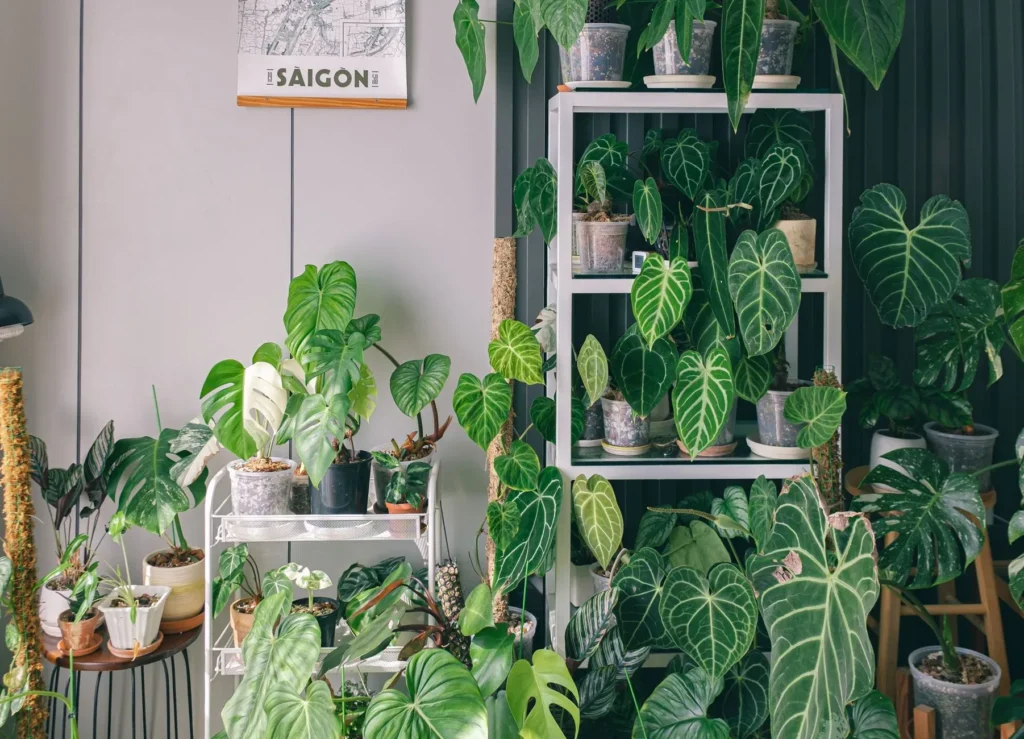
A “plant shelfie” — a shelf styled entirely with a curated mix of plants — is one of the most satisfying and visually rich things you can do in a home. The trick is varying height, pot size, and plant texture: something tall and upright next to something trailing, next to something small and compact. Mix terracotta with ceramic, matte with shiny, and let a few plants overflow their shelf slightly for that natural, unstudied look. You don’t need a dedicated plant shelf — even one section of a bookcase or floating ledge works beautifully. Start with three plants and build from there as your confidence grows.
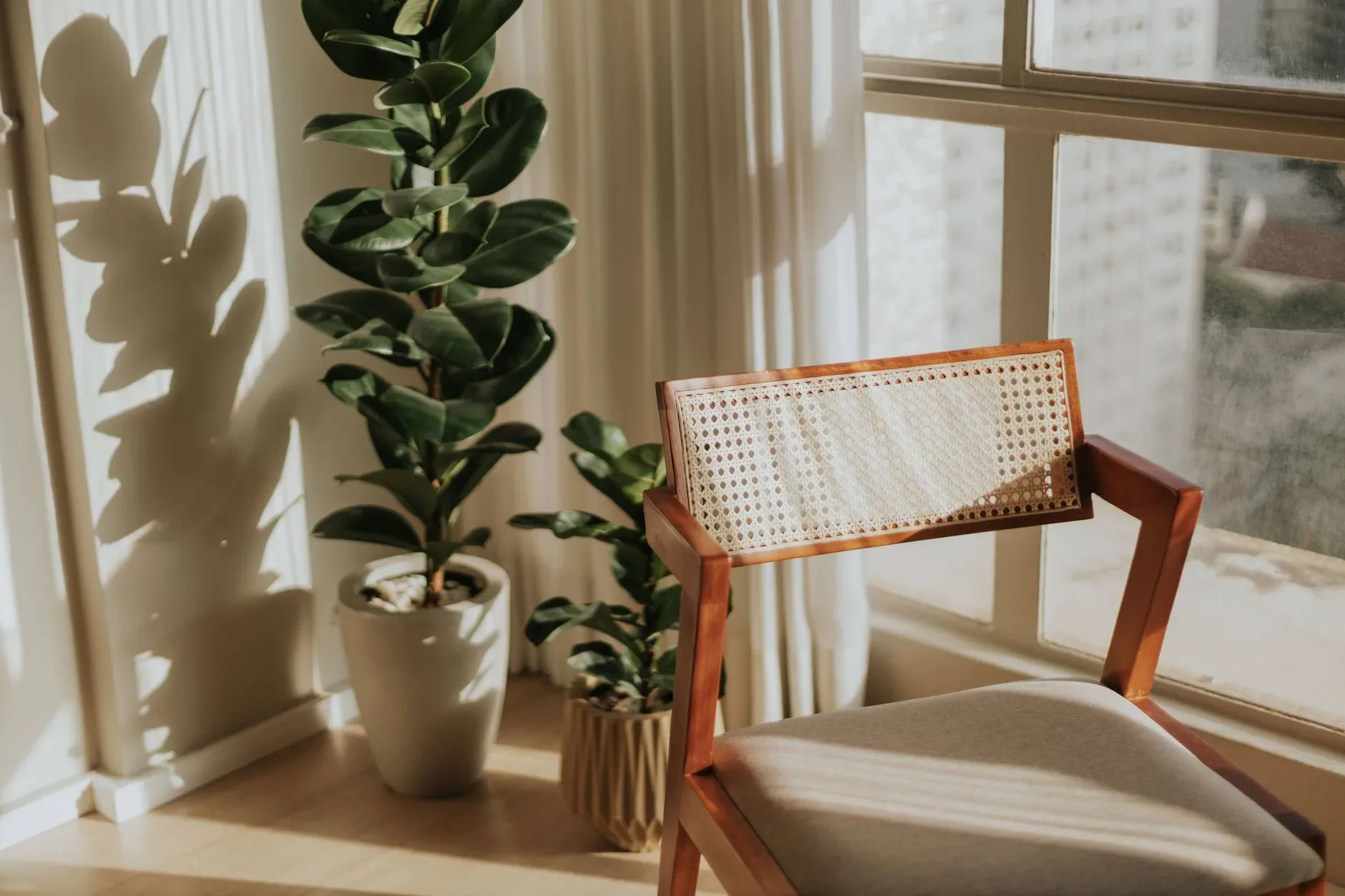
Choose a Fiddle Leaf Fig as a Room Anchor
A fiddle leaf fig in a living room or bedroom corner is the kind of plant that makes people stop and ask about it. It has those large, dramatic leaves and a tall, sculptural shape that looks like something from a luxury interior shoot. The honest truth is that fiddle leaf figs have a bit of a reputation for being finicky — they like bright indirect light, consistent watering, and not being moved around too much. But if you can give them that, they’re genuinely stunning. A medium fiddle leaf fig typically runs $40–$80 and earns every penny in visual presence.
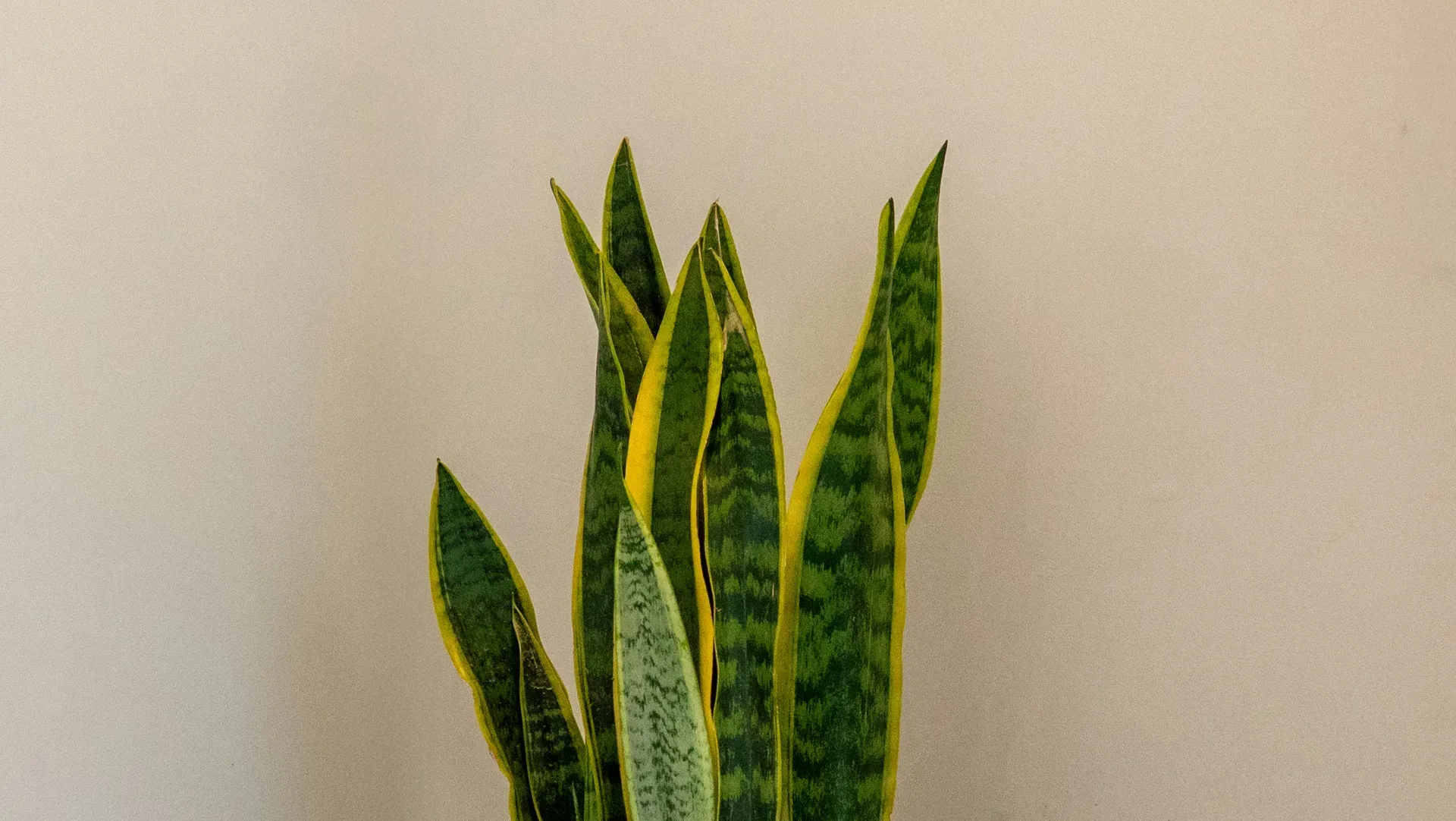
Add a Snake Plant for Minimal Effort, Maximum Look
If low maintenance is your priority, the snake plant (also called sansevieria or mother-in-law’s tongue) is your plant. It tolerates low light, irregular watering, and general neglect better than almost any other indoor plant — and it looks incredibly sleek doing it. The upright, architectural shape works brilliantly in modern and minimalist spaces, and the variegated green and yellow leaves add color without being loud. Snake plants start at around $10–$20 for a small pot and can grow into impressive statement plants over time. Honestly, the main way to kill one is by overwatering, so the less you fuss with it, the better.
Hang Plants with a Macramé Hanger
A macramé plant hanger is one of those boho-meets-natural styling ideas that looks effortlessly beautiful in almost any home. They’re especially useful in small spaces where floor and shelf space is limited — you’re using vertical space instead. A trailing pothos, a string of pearls, or a small spider plant all look gorgeous suspended in a macramé hanger near a window. Handmade macramé hangers are widely available on Etsy and at markets, usually for $15–$35. Even a basic one from a home store does the job beautifully and adds a warmth and texture that a regular pot on a shelf just doesn’t.

Group Succulents in a Tray or Shallow Bowl
A collection of small succulents arranged together in a tray, a shallow terracotta bowl, or a wooden crate is one of the easiest and most affordable aesthetic plant ideas going. Individual succulents are tiny and inexpensive ($2–$5 each), but grouped together they create a genuinely lush, textured display. Mix different shapes — a rosette next to a tall cactus-style succulent next to a trailing variety — for the most interesting result. They need very little water and do well on a sunny windowsill. This is a great starting point if you’re new to plants and want something virtually impossible to kill.

Try a Peace Lily for Low-Light Spaces
Not every room has great natural light, and that’s exactly where the peace lily earns its place. It’s one of the few flowering indoor plants that genuinely thrives in low-light conditions, producing beautiful white blooms that look elegant against its deep green leaves. Peace lilies are also known for their air-purifying qualities, which makes them a genuinely practical choice as well as a pretty one. They’re widely available for $15–$30, and they’ll actually tell you when they need water by drooping slightly — which makes them surprisingly easy to care for once you understand their signals.

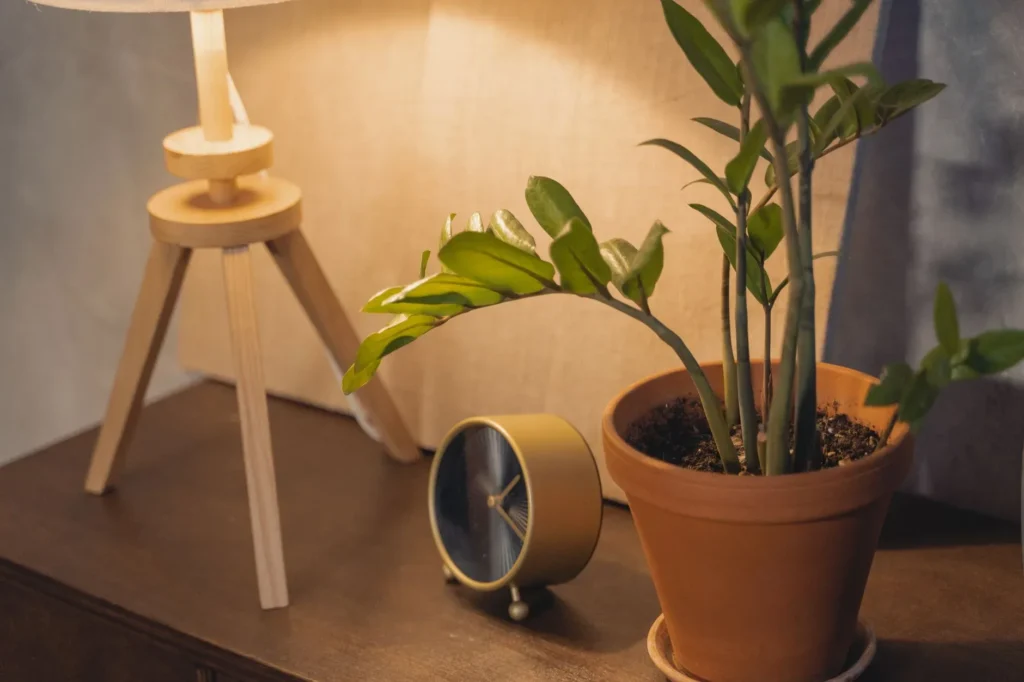
Place a ZZ Plant in a Dark Corner
The ZZ plant might be the most forgiving indoor plant in existence. It has glossy, deep green leaves that look polished and tropical, and it genuinely thrives in conditions where other plants would give up — low light, infrequent watering, inconsistent care. If you have a dark corner that needs some life, this is your answer. It grows slowly but steadily, and its upright, arching stems give it a structural quality that looks beautiful in a simple ceramic pot. Small ZZ plants start around $15–$25, and they’ll outlast almost any other plant in your collection.
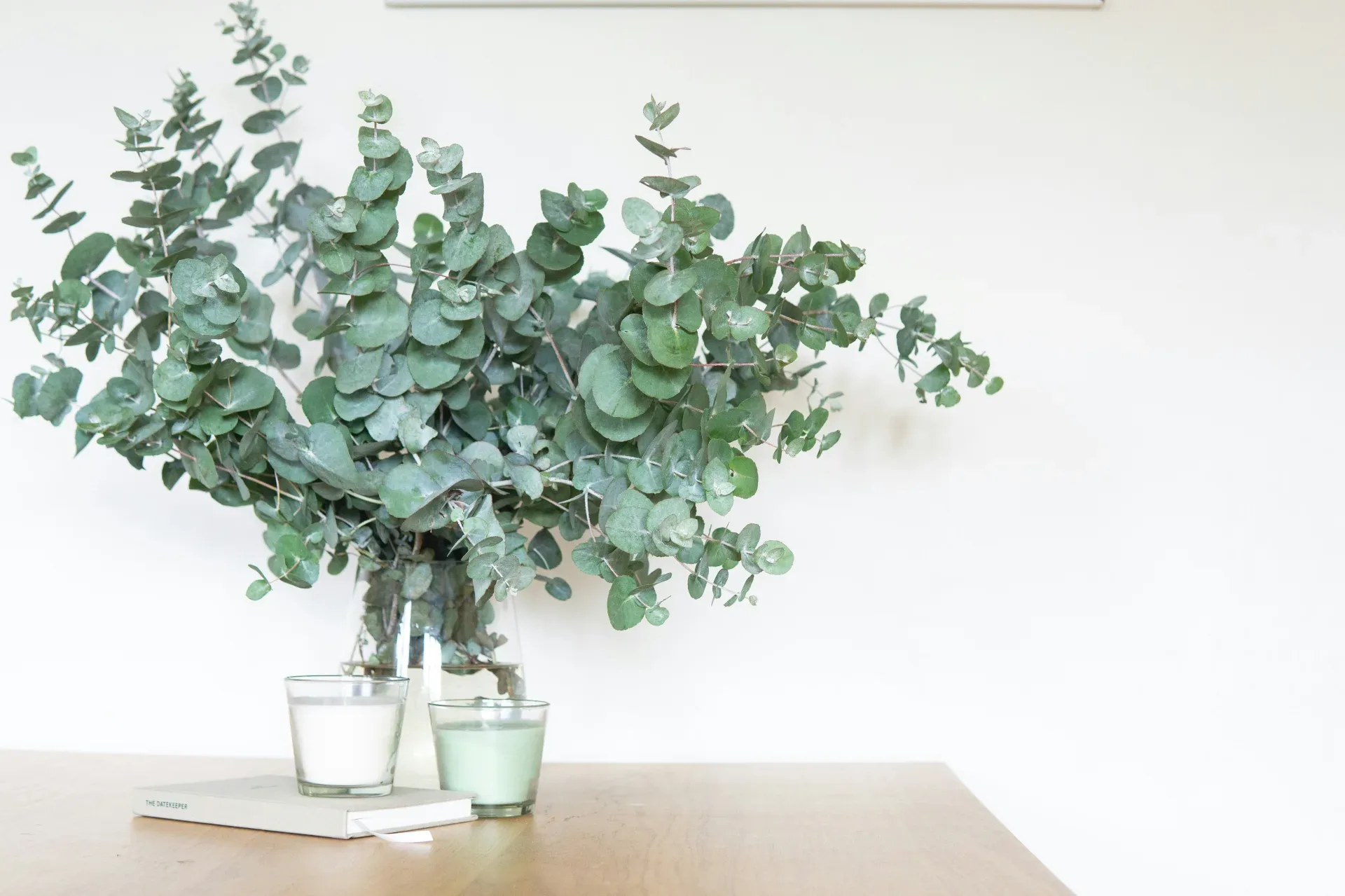
Display Eucalyptus Stems in a Vase
Not every plant idea has to involve soil and watering — sometimes a few stems in a vase is all it takes to bring that botanical, organic feeling into a room. Eucalyptus is particularly lovely because of its silver-green color, its beautiful scent, and the way it dries gracefully over time rather than wilting and looking sad. Fresh eucalyptus from a florist or grocery store runs around $5–$10 a bunch and lasts for weeks. Dried eucalyptus lasts months, needs zero maintenance, and looks stunning in a tall ceramic vase on a sideboard, shelf, or bathroom counter.
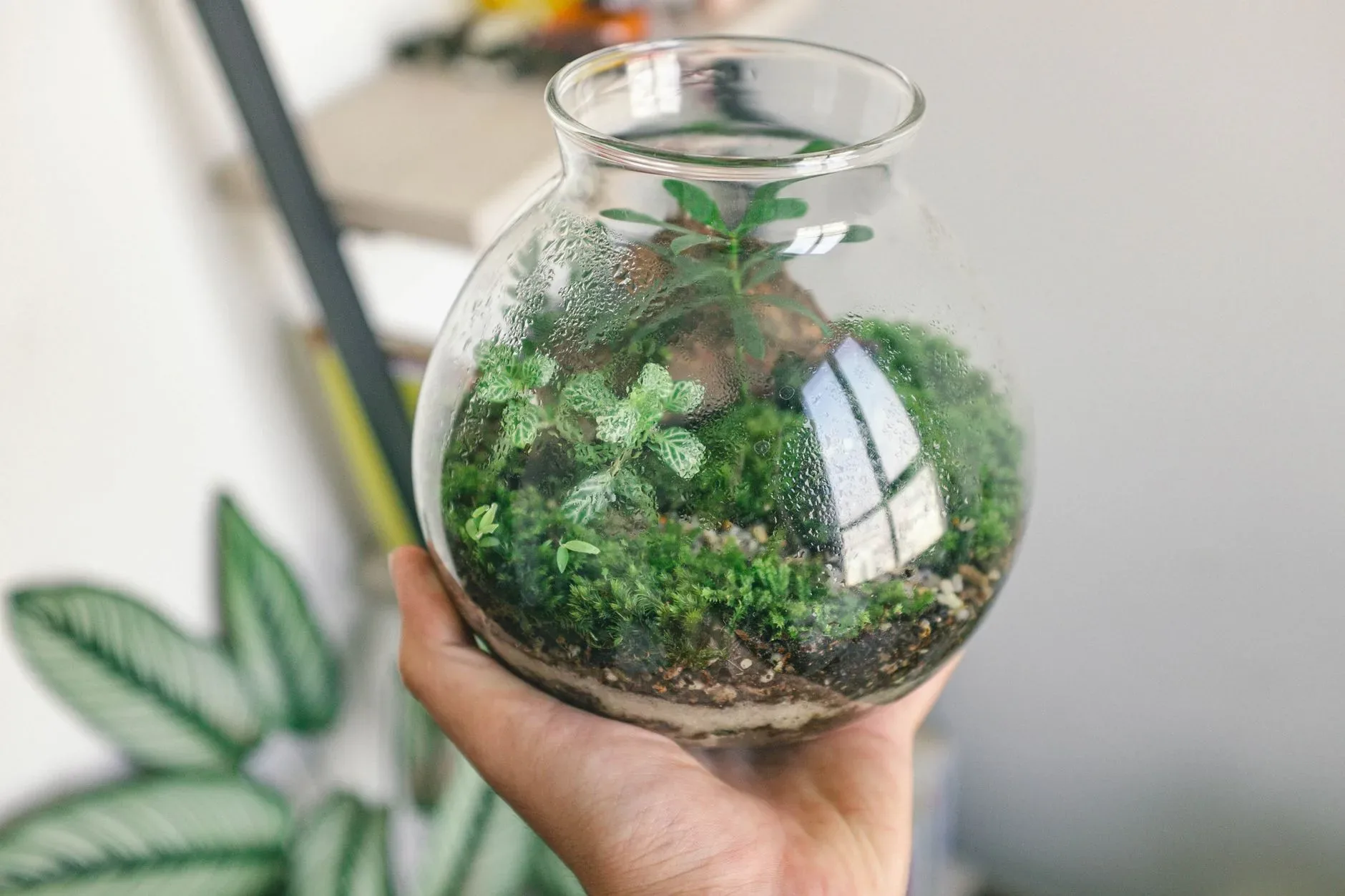
Create a Terrarium or Glass Garden
A terrarium — a small glass container planted with moss, ferns, succulents, or air plants — is one of the most charming and compact plant ideas for anyone who loves a bit of a creative project. They work especially well on coffee tables, desks, and windowsills where a full-size plant wouldn’t fit. Open terrariums suit succulents and cacti; closed ones create a humid microenvironment ideal for moss and ferns. You can buy a ready-made terrarium from $20–$50, or build your own using a glass bowl, jar, or geometric terrarium frame and a handful of small plants and materials from a garden center.
Line a Windowsill with Small Cacti
A windowsill lined with small cacti is one of those deceptively simple plant displays that photographs beautifully and requires almost zero effort to maintain. The variety of shapes — round, columnar, ribbed, spiky — makes a collection of cacti interesting even without much color, and they all suit the same care routine of bright light and infrequent watering. Small cacti typically cost $3–$8 each, so you can build a whole collection for under $30. Use matching terracotta pots for a cohesive, earthy look or mix different pot sizes and styles for something more eclectic.

Try Air Plants for a No-Soil Display
Air plants (tillandsia) are genuinely fascinating — they don’t need soil at all, which means you can display them in ways that no other plant allows. Nestle them on a piece of driftwood, rest them inside a geometric glass terrarium, hang them in a small frame, or simply set them on a shelf among your other objects. They absorb water and nutrients through their leaves, needing only a misting a couple of times a week or a brief soak once a week. Air plants are usually $5–$15 each and open up a whole category of creative, sculptural plant displays that feel genuinely unique.

Grow a String of Pearls in a Hanging Planter
The string of pearls is one of those plants that stops people in their tracks — the long, bead-like vines are so unusual and beautiful that it barely looks real. It’s a succulent, which means it stores water in those little spherical leaves and needs watering less often than you’d expect. Displayed in a hanging planter or a pot on a high shelf where the vines can trail freely, it’s genuinely one of the most aesthetic indoor plants you can own. String of pearls likes bright indirect light and needs well-draining soil. Small plants run around $10–$20, and they grow steadily with minimal fuss.

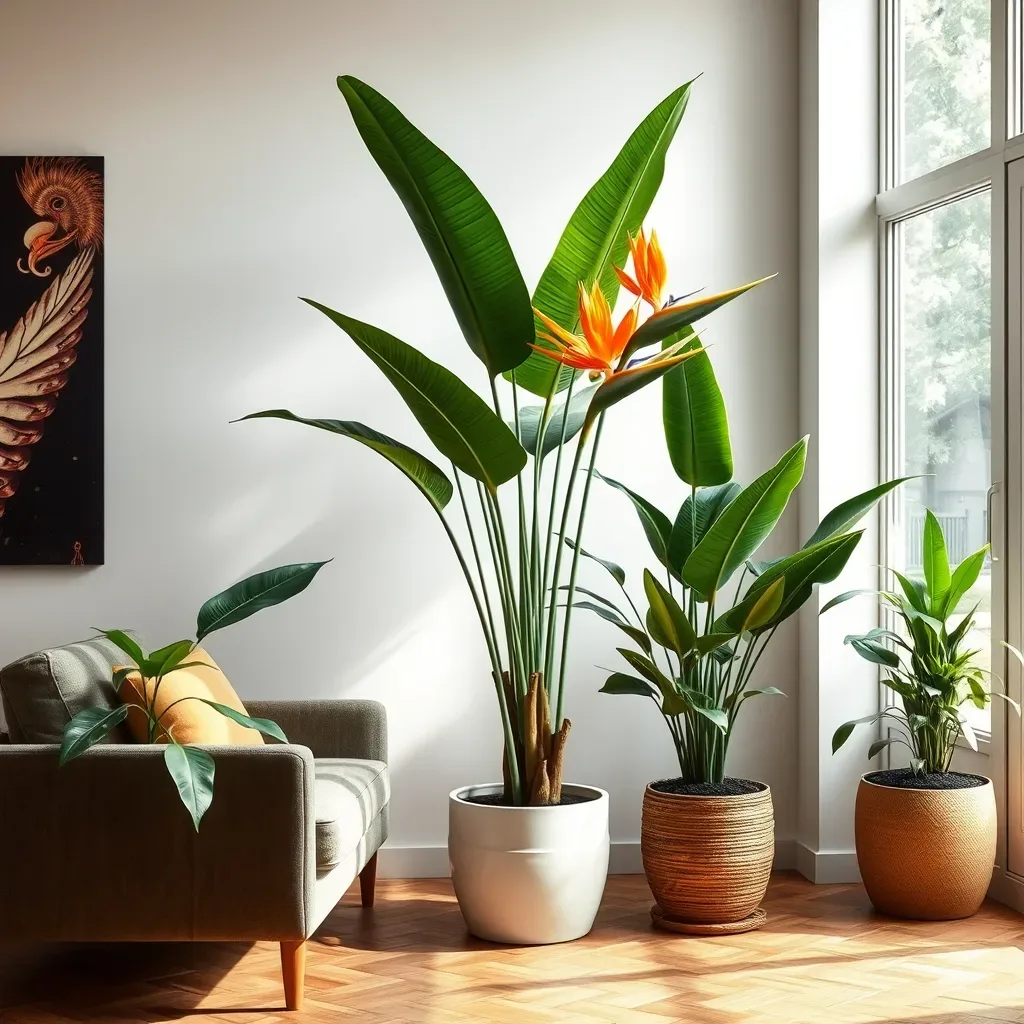
Bring in a Bird of Paradise for Drama
If you want one plant that makes an entire room feel like a designed, considered space, a bird of paradise is it. Those enormous, paddle-shaped leaves are bold and sculptural in a way that nothing else quite matches indoors, and a well-grown bird of paradise in a beautiful pot genuinely looks like something from a high-end interior design shoot. It needs bright light and a fair amount of space, which makes it best suited to larger rooms or bright corners near big windows. Plants start around $40–$100 depending on size, and they grow into something truly spectacular over time. This is a plant you invest in once and enjoy for years.
Quick Budget Guide
Under $25: Pothos, small succulents, air plants, small cacti collection, eucalyptus stems in a vase, ZZ plant (small).
$25–$75: Monstera (small to medium), snake plant, peace lily, macramé plant hanger, string of pearls, ready-made terrarium, fiddle leaf fig (small).
$75–$150: Monstera (large statement size), fiddle leaf fig (medium), bird of paradise (small), custom plant shelfie setup with multiple plants and pots.
Splurge-worthy: Large bird of paradise ($100+), large fiddle leaf fig ($80–$150+), curated terrarium with handmade glass vessel ($50–$100+).
Why This Actually Works
Plants do something for a room that no piece of furniture or decor object can replicate — they introduce a living, changing, organic presence that makes a space feel genuinely inhabited rather than just decorated. There’s real psychology behind this. Biophilic design — the idea that humans have an innate connection to nature — is well-documented, and the research consistently shows that introducing natural elements into indoor spaces reduces stress, improves mood, and increases feelings of wellbeing. Your brain responds to a plant the same way it responds to being outdoors: with a small but measurable sense of calm.
The aesthetic power of plants also comes from what they do visually. They introduce irregular, organic shapes into spaces that are otherwise full of straight lines and hard angles — walls, furniture, floors, shelves. That contrast between the geometric and the organic is one of the things that makes a room feel warm and human rather than cold and corporate. Even a single plant in a corner creates a point of softness that the eye naturally relaxes toward.
Layering plants at different heights is the secret to the lush, editorial look you see in the best plant-filled rooms on Pinterest. A tall floor plant in a corner, a mid-height shelf with a trailing variety, and a small succulent or air plant on a table at eye level creates a vertical composition that draws the eye through the whole room rather than leaving it flat on one plane. You don’t need a lot of plants to achieve this — three well-placed plants at different heights will always look more intentional than ten plants all sitting at the same level.
Final Thoughts
You don’t have to become a full plant parent overnight — and you definitely don’t have to start with a fiddle leaf fig. Pick one plant from this list that feels manageable and interesting, bring it home, find the right spot for it, and see what happens. Most people who start with a single pothos end up with an entire plant shelfie within a year, because there’s something genuinely satisfying about keeping something green and alive in your home.
If this gave you some ideas worth keeping, save this post to your Pinterest boards for easy reference the next time you’re at a garden center and can’t remember what you wanted. And drop a comment below — I’d love to know which plant you’re planning to try first, or what’s already growing beautifully in your home.