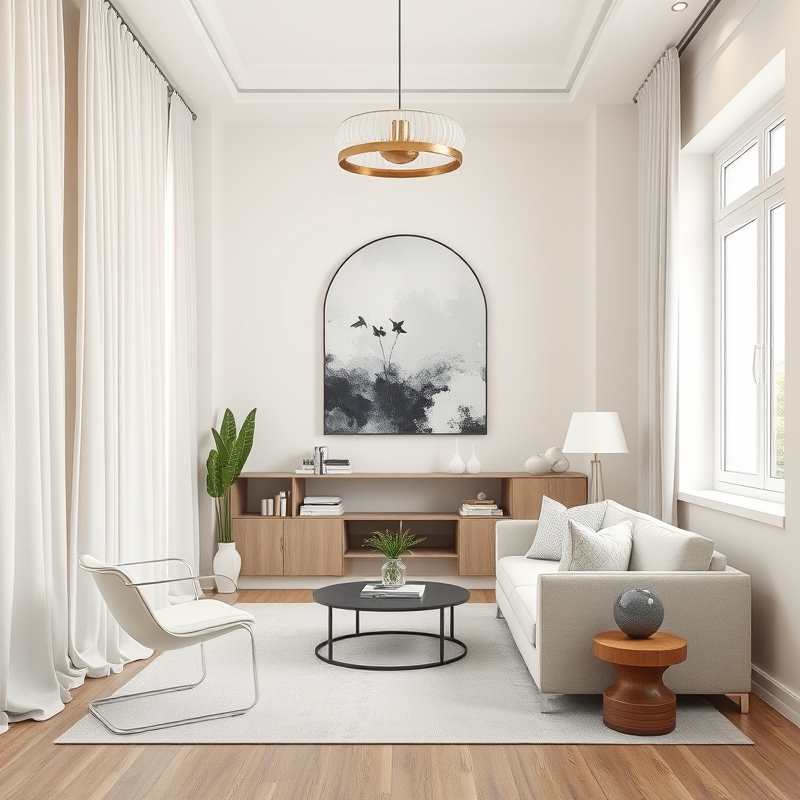
Small square footage doesn’t mean small style or impact. The most impressive small living room ideas combine designer psychology with strategic furniture choices that make spaces feel larger and far more expensive than their actual dimensions. Whether you’re working with 150 square feet or 250, these techniques borrowed from professional designers prove that constraint breeds creativity. You’ll discover how lighting, mirrors, color, and furniture scale work together to transform modest rooms into sophisticated retreats.
1. Floor-to-Ceiling Curtains for Instant Height
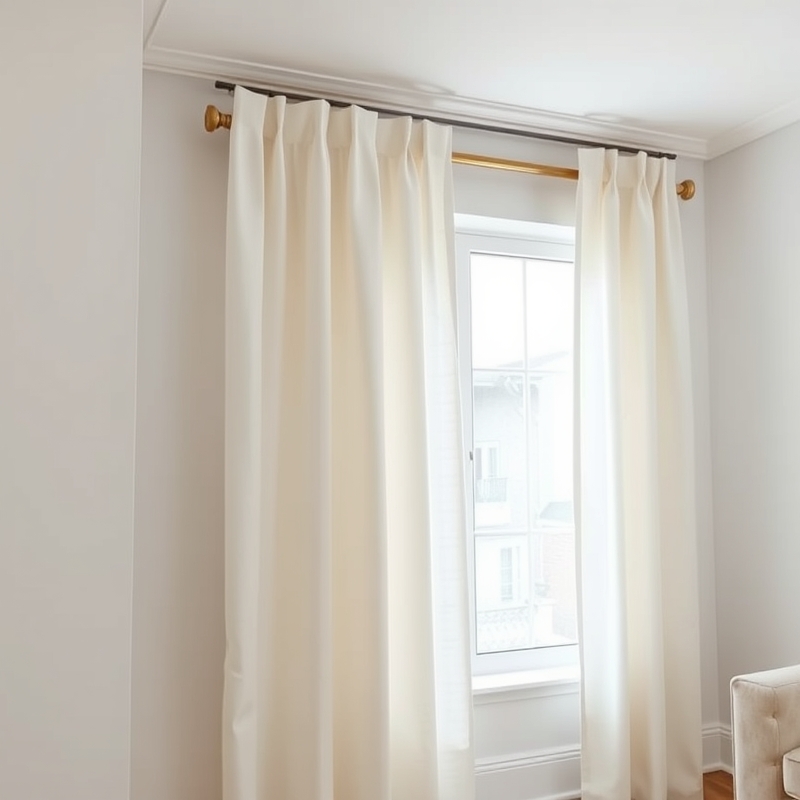
Hanging curtains from ceiling to floor creates an optical illusion that stretches walls vertically and adds luxury instantly. Mount curtain rods as close to the ceiling as possible—ideally 12 inches above the actual window frame—even if your ceiling is only 8 feet tall. Choose linen or linen-cotton blend in white, cream, or soft neutral tones that reflect light. Heavy velvet works for drama but can overwhelm small spaces. Quality rods in brushed brass or black metal cost $40 to $150. This fundamental small living room ideas technique works because it draws the eye upward, making rooms feel taller and more intentionally decorated than space allows.
2. Lucite Furniture for an Airy Transparency
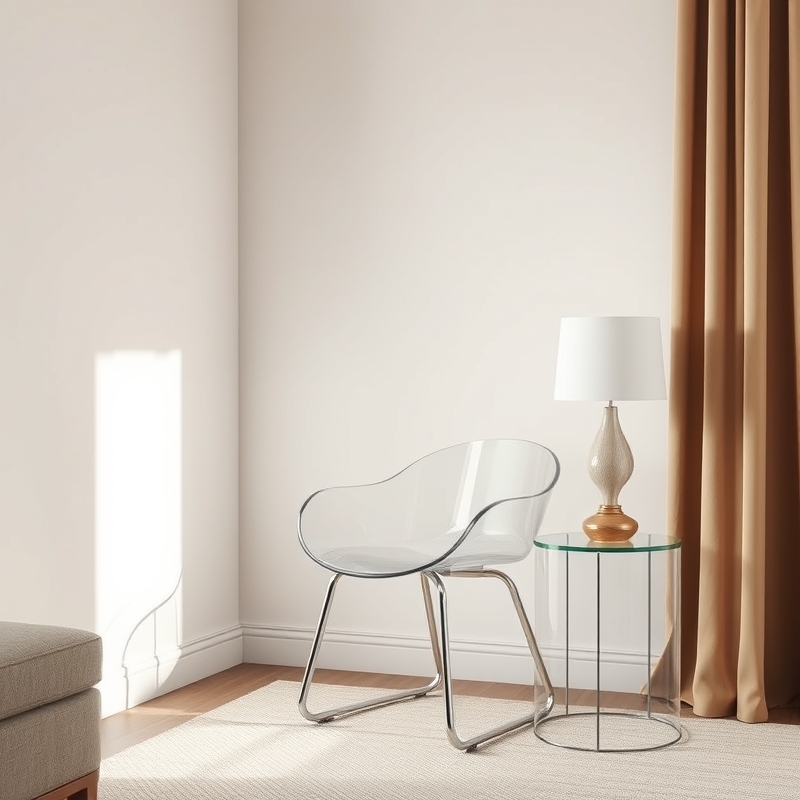
Transparent furniture disappears visually while remaining functional, allowing sight lines to continue uninterrupted across compact rooms. Lucite or acrylic chairs, side tables, and shelving occupy physical space without creating visual weight or blocking views. Pair clear pieces with brass or chrome legs for a sophisticated finish. Quality lucite accent chairs cost $250 to $600, while side tables range $100 to $300. The transparency lets background décor show through, making rooms feel larger and less cluttered. This approach works beautifully when combined with bold accent colors—the chair disappears but the surrounding room’s visual richness becomes the focal point instead.
3. Oversized Round Mirror as Focal Point
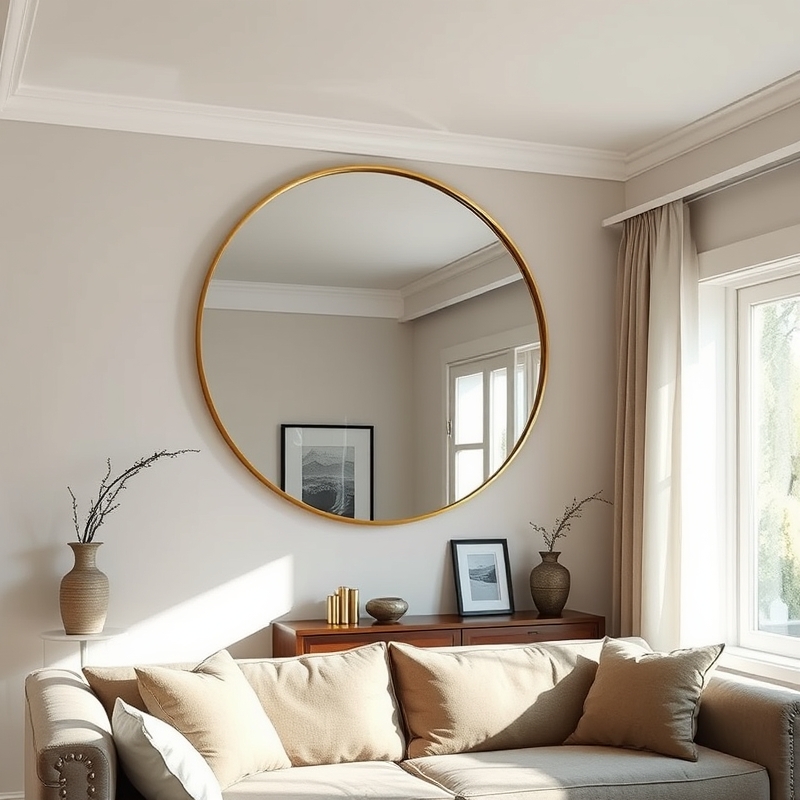
A single 36 to 48-inch round mirror positioned above the sofa bounces light and reflects the room back, instantly doubling perceived depth. Round shapes feel less formal than rectangles and work beautifully as bold focal points in small spaces. Choose frames in brushed gold, brass, or matte black depending on your décor style. Quality mirrors cost $150 to $500 depending on frame material and size. Mount it at eye level or slightly higher to catch and distribute natural light throughout the room. Design experts recommend oversized mirrors as the single most impactful small space hack because they’re affordable, elegant, and immediately transform how rooms feel.
4. Built-In Shelving Around the Sofa
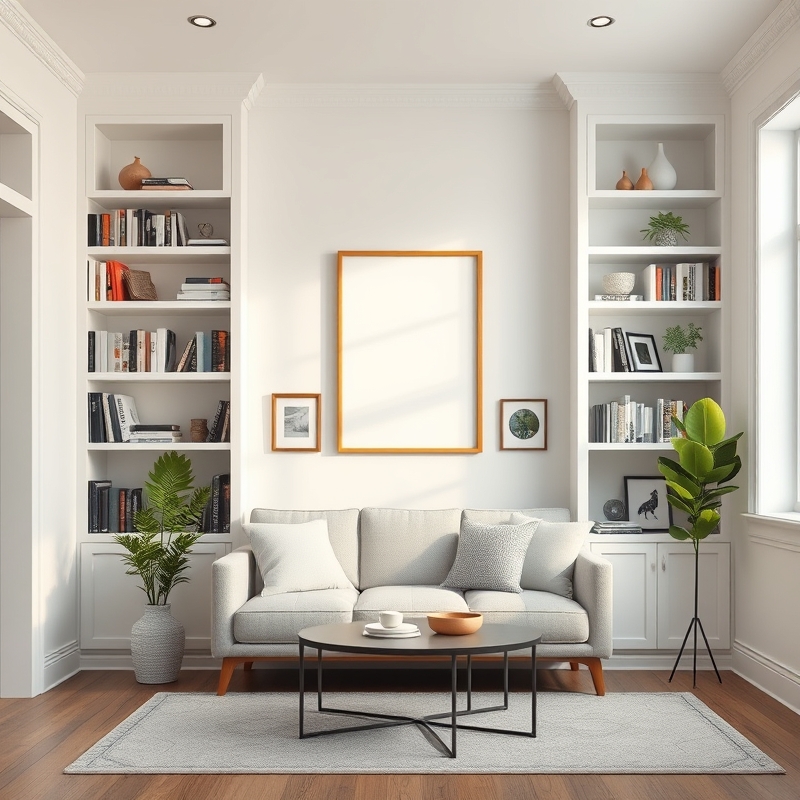
Built-in shelving transforms walls into functional storage and display without consuming floor space or creating visual clutter. Custom or semi-custom built-ins around the sofa cost $1,000 to $3,000 installed, but instantly elevate a room and provide storage that traditional furniture cannot match. Floating shelves mounted at varying heights create visual interest while displaying books, plants, and curated objects that reflect personality. White or natural wood finishes keep small rooms feeling open. This investment-level approach to small living room ideas creates the expensive, intentional aesthetic that makes rooms feel professionally designed rather than casually furnished.
5. Neutral Palette for Small Living Room Ideas
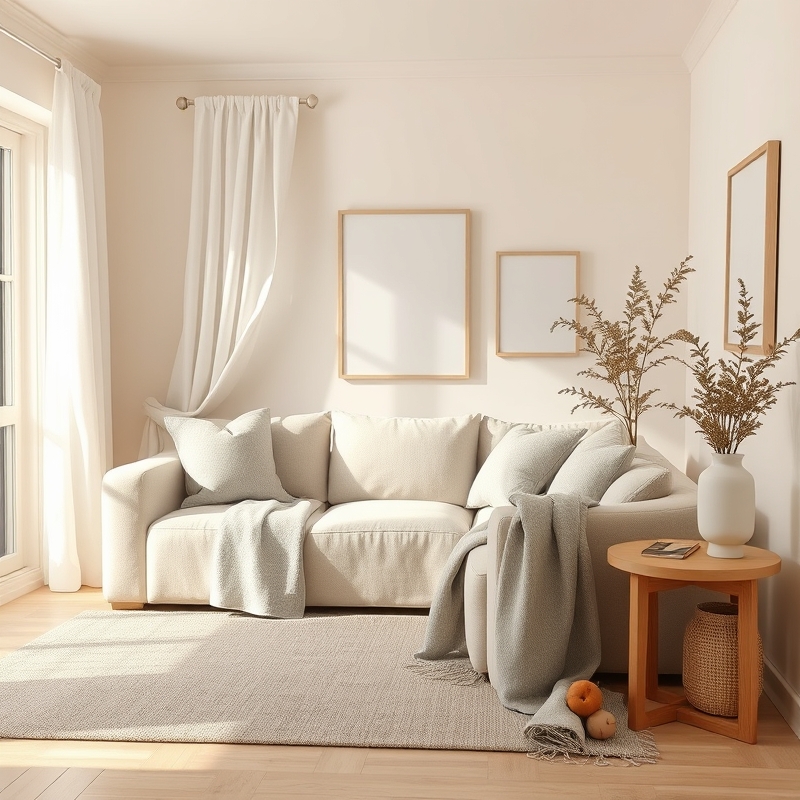
A unified neutral palette in cream, beige, gray, and white creates visual continuity that makes small spaces feel larger and more sophisticated. Neutral doesn’t mean boring—layer textures through linen, wool, velvet, and natural wood finishes to add depth without color complexity. Limit your palette to three to four coordinating neutrals for maximum impact. This approach costs nothing if you already own furniture and simply reorganizes what you have. The sophistication comes from textural richness and careful composition rather than colorful clashing. Neutral backgrounds allow statement pieces like mirrors, artwork, and lighting fixtures to become the focus, creating expensive-looking rooms through restraint and intentionality.
6. Statement Light Fixture at Eye Level
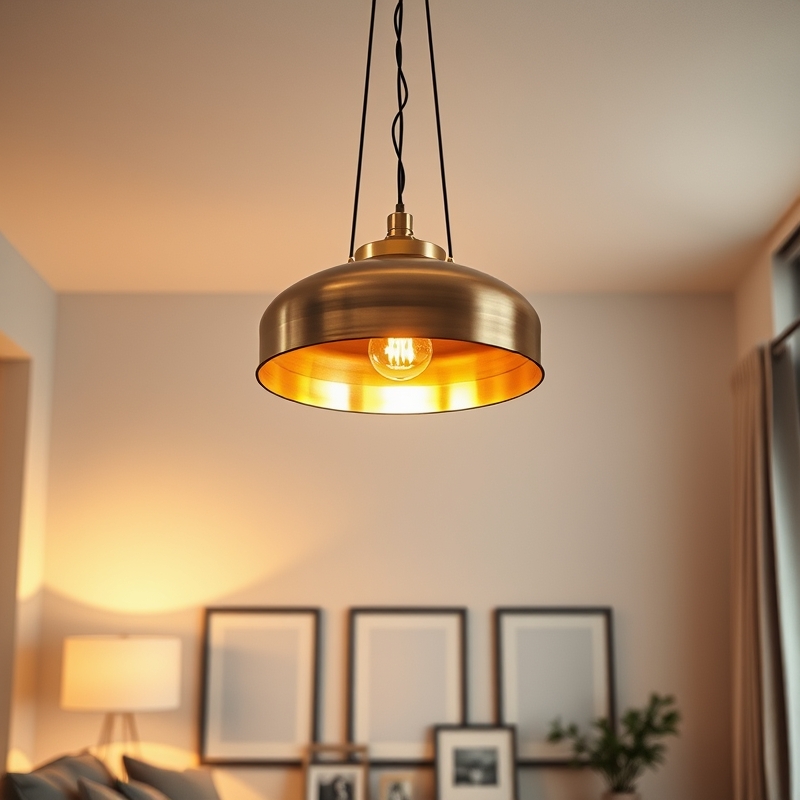
A single sculptural light fixture hung at eye level or just above creates an immediate focal point that feels intentional and designer-curated. Choose pendants in brass, gold, or matte black with clean geometric or organic shapes that complement your décor style. Position the fixture so it hangs approximately 24 to 30 inches above seated eye level—low enough to feel intimate but high enough to provide task lighting. Quality statement fixtures cost $150 to $400. This placement maximizes impact while avoiding the corporate feeling of overhead ceiling fixtures common in small apartments. The fixture becomes functional art that transforms how the entire room feels.
7. Wall-Mounted Floating Media Console
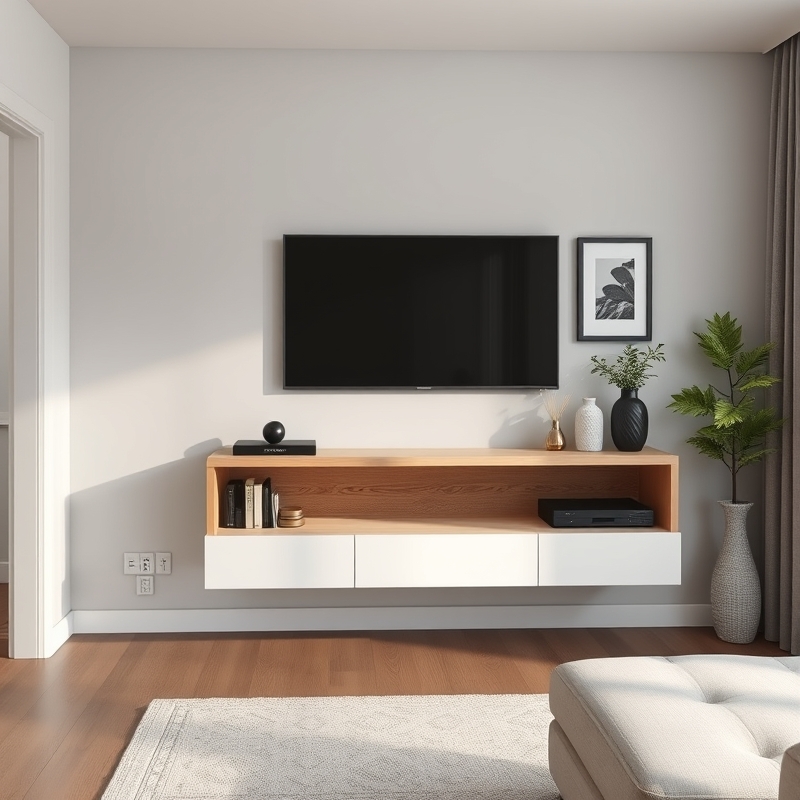
Plus, wall-mounted media consoles free floor space entirely, making small rooms feel exponentially larger than traditional entertainment centers. Floating consoles in white, natural wood, or dark gray cost $200 to $600 depending on materials and storage capacity. Mount at comfortable viewing height—typically 48 to 55 inches from the floor to the center of your television. Many consoles feature closed storage behind doors or drawers, hiding cables, remotes, and media clutter completely. This approach keeps visual focus on displayed décor items, artwork, or greenery rather than the infrastructure needed to run electronics. The clean lines and unbroken floor space create the expensive, minimalist aesthetic that defines sophisticated small living room ideas.
8. Rich Velvet Accent Chairs in Jewel Tones
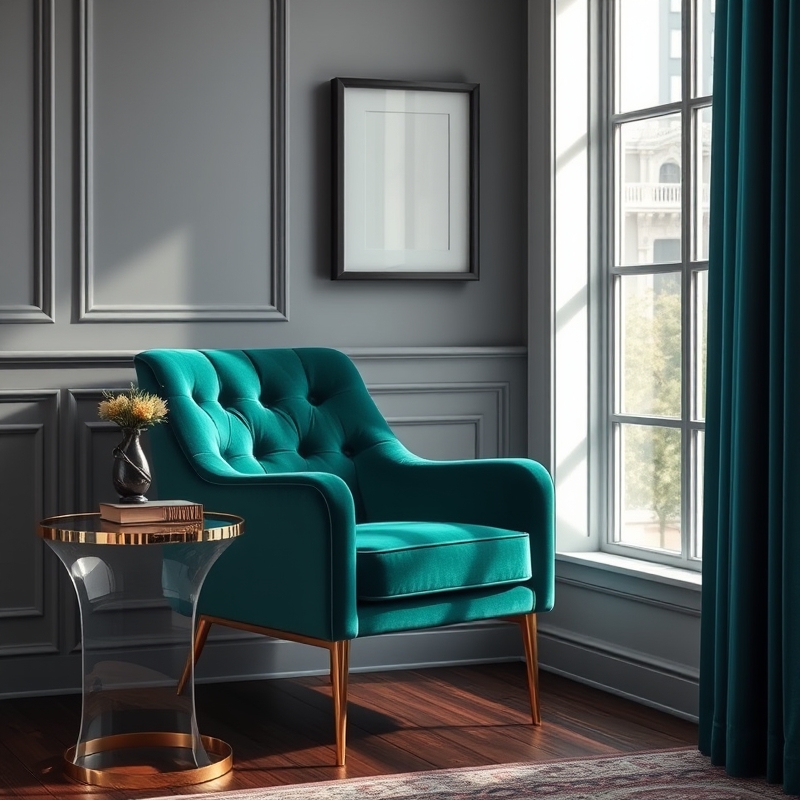
Even better, a single jewel-toned velvet accent chair adds luxury and personality without demanding much floor space. Choose emerald green, sapphire blue, or deep burgundy velvet paired with brass or gold metal legs for an instantly expensive appearance. Velvet in rich colors feels inherently opulent and costs $400 to $900 for quality accent chairs. The satiny texture catches light beautifully and adds visual dimension that flat fabrics cannot match. Position one chair beside the sofa with a small side table to create an intimate conversation area. This strategic furniture choice delivers maximum personality and sophistication while remaining practical for compact square footage.
9. Large-Scale Abstract Art Above Sofa
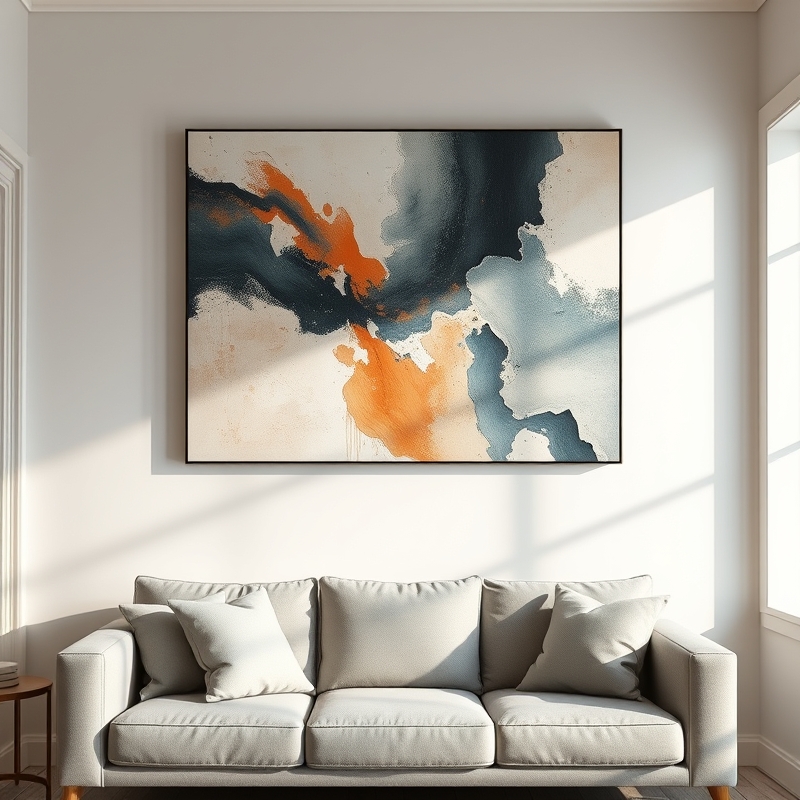
Here’s the thing—one large piece of abstract art creates more visual impact than a gallery wall of smaller frames, especially in compact spaces. Choose art that spans 36 to 48 inches in width, with colors that echo your palette or provide complementary contrast. Abstract allows freedom from scale matching and subject matter constraints that representational art demands. Quality original or giclee prints cost $150 to $500 depending on artist and framing. Hang it at eye level with approximately 10 to 12 inches of white space above the sofa back. This single bold choice becomes the room’s statement piece and defines the sophisticated atmosphere that makes small living room ideas feel curated rather than cramped or temporary.
10. Multifunctional Ottoman with Hidden Storage
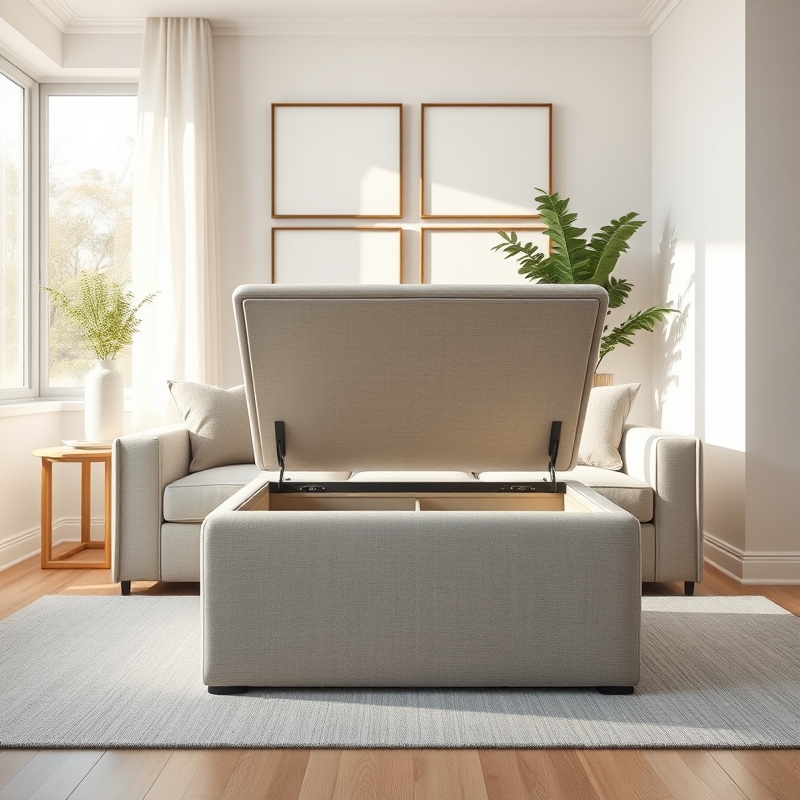
An ottoman that lifts open for storage solves the dual problem of needing a footrest and hiding clutter simultaneously. Choose upholstered ottomans in neutral linen, performance fabric, or leather in cream, gray, or soft taupe. Size matters—aim for 24 by 24 inches or smaller so it doesn’t overwhelm floor space. Quality ottomans with hidden storage cost $250 to $500. Use the interior space for blankets, throw pillows, magazines, or remote controls that would otherwise scatter across surfaces. This piece functions as footrest, extra seating, coffee table alternative, and hidden storage—the definition of small living room ideas that deliver maximum utility with minimal visual impact.
11. Continuous Flooring Without Rugs
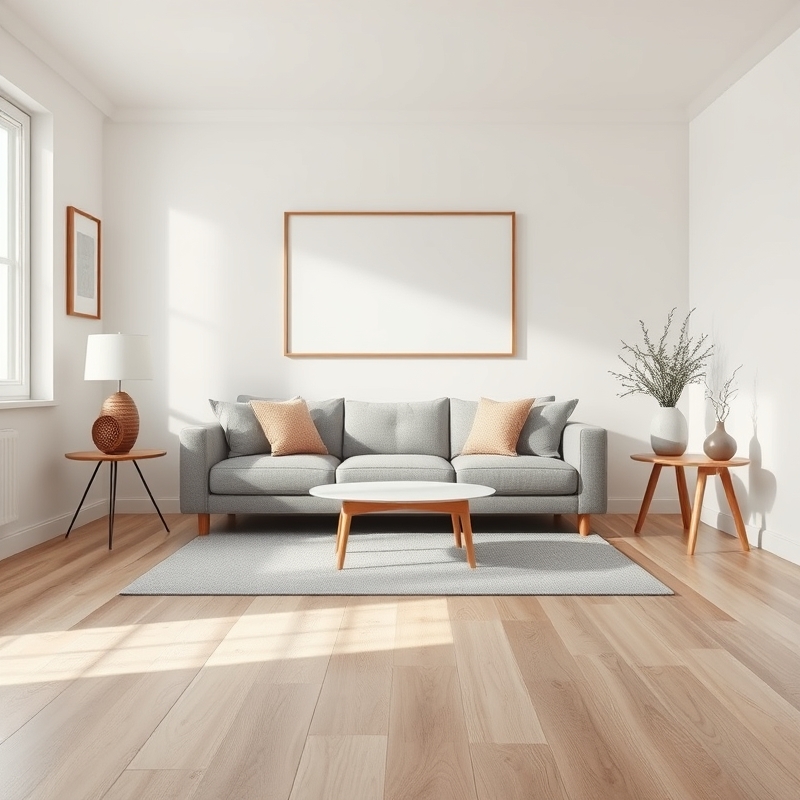
Here’s what makes this work—visible flooring creates uninterrupted sight lines that make compact spaces feel exponentially larger than rugs allow. Hardwood, light wood-look laminate, or light gray concrete serve as visual anchors that extend wall-to-wall without breaking up space. Skip rugs entirely or use a single natural fiber runner in cream or soft gray if you need acoustic softening. Exposed flooring also requires less maintenance and shows off furniture with exposed legs that elevate visual lightness. This approach demands cleanliness and minimalism, but the payoff is a room that feels open and intentionally curated rather than cozy and cluttered.
12. Vertical Stripe Wallpaper for Perceived Height
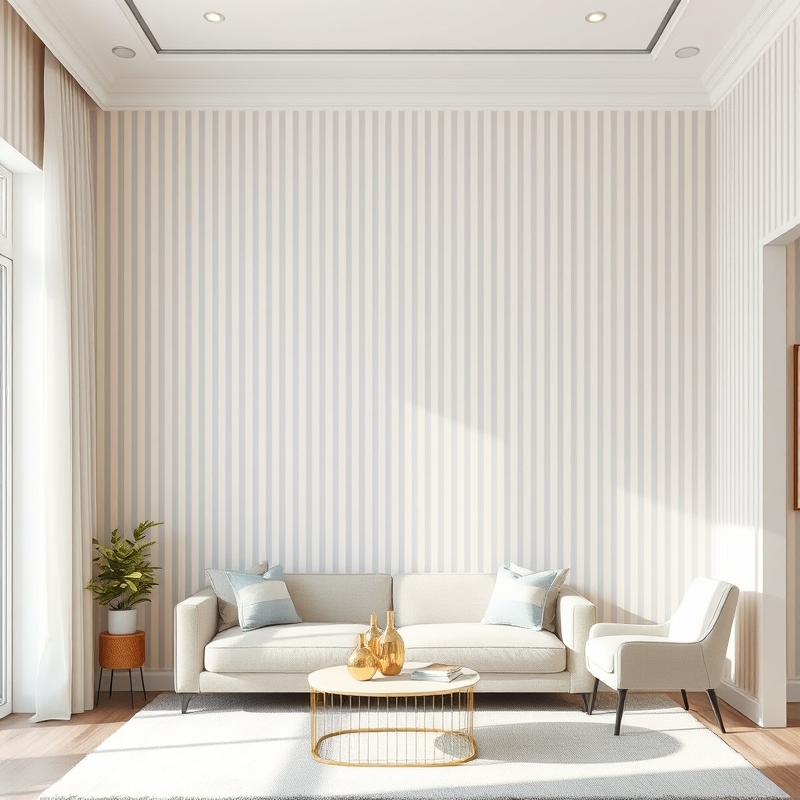
The real difference is that vertical stripes draw the eye upward immediately, creating an optical illusion of height in rooms with standard or low ceilings. Choose subtle stripe wallpaper in soft neutrals—cream and light gray, pale blue and white, or warm beige and ivory—rather than bold contrasting colors that can feel cramped. Apply stripes floor-to-ceiling and across only one wall to avoid visual overwhelm. Quality peel-and-stick wallpaper costs $25 to $50 per roll; traditional wallpaper installation adds $300 to $800 in labor. This single wall treatment instantly transforms the spatial perception of small living room ideas without major renovation or permanent changes.
13. Slim Profile Sofa with Tapered Legs
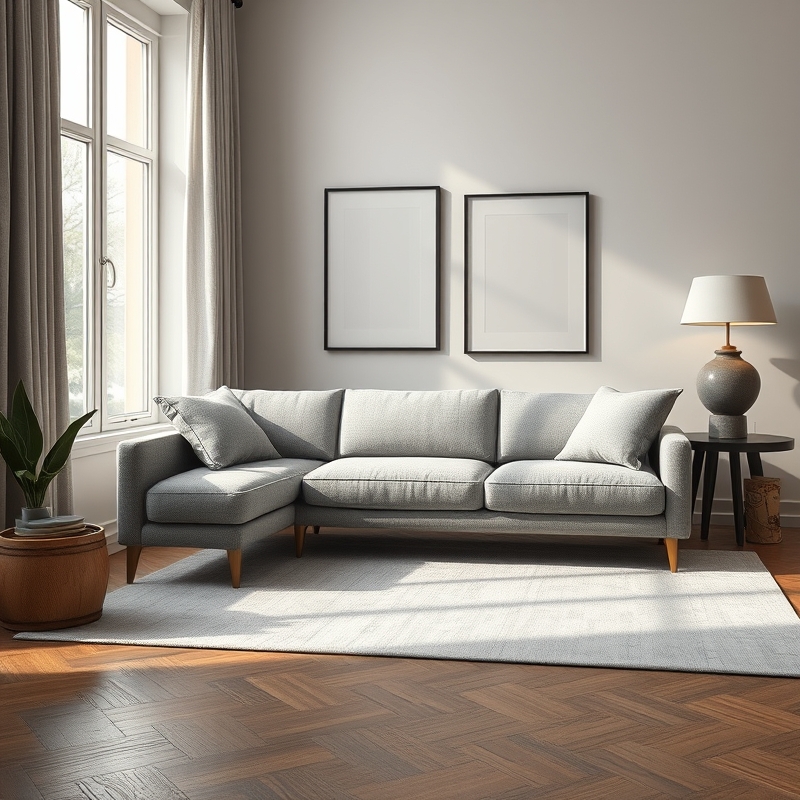
What most people overlook is that sofa depth determines whether a room feels open or cramped—shallow 30 to 32-inch profiles with visible tapered legs make all the difference. Choose sofas in neutral linen or performance fabric, never dark heavy velvet or deep sectionals that anchor rooms visually. Tapered legs in brass, black metal, or natural wood create airiness under the frame by showing floor space. Quality slim-profile sofas cost $800 to $1,800 depending on construction and fabric. Architectural Digest designers consistently specify shallow sofas for small spaces because they provide comfortable seating while maintaining visual flow and spatial perception. This furniture choice alone can transform how an entire room functions.
14. Layered Lighting Without Floor Lamps
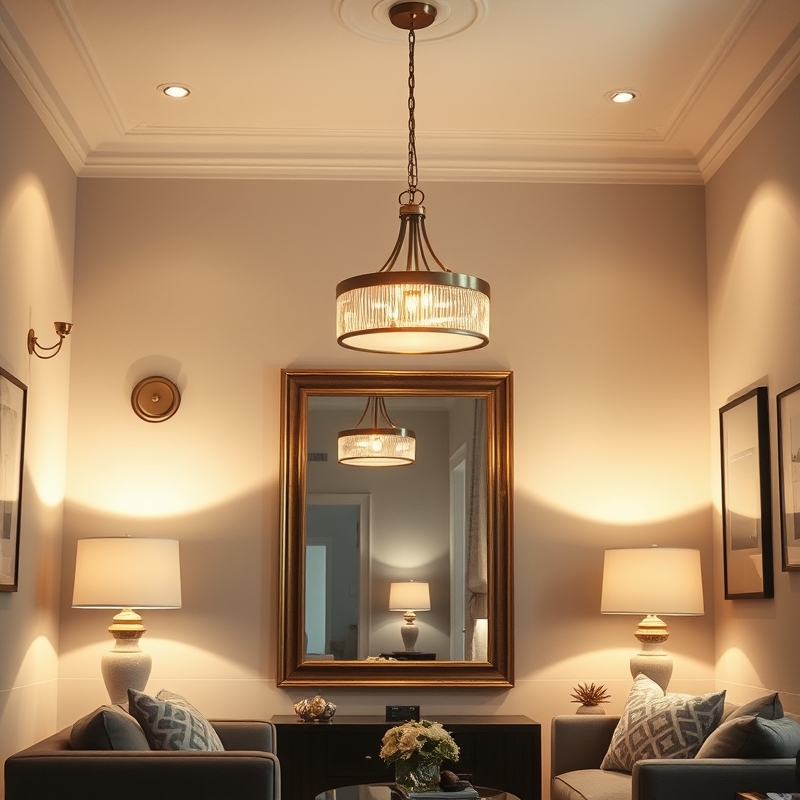
Multiple light sources at different heights create depth and eliminate dark corners without the visual bulk of floor lamps. Install brass or matte black wall sconces flanking your mirror at 60 inches from the floor, add your statement pendant fixture overhead, and position a table lamp on a side surface for task lighting. This three-layer approach costs $300 to $600 total depending on fixture quality. Each layer serves different moods—bright for activity, dimmed for relaxation. Wall-mounted and ceiling fixtures free floor space entirely, keeping small rooms uncluttered while delivering restaurant-quality ambient lighting that feels intentional and expensive.
15. Vintage Trunk as Coffee Table Storage
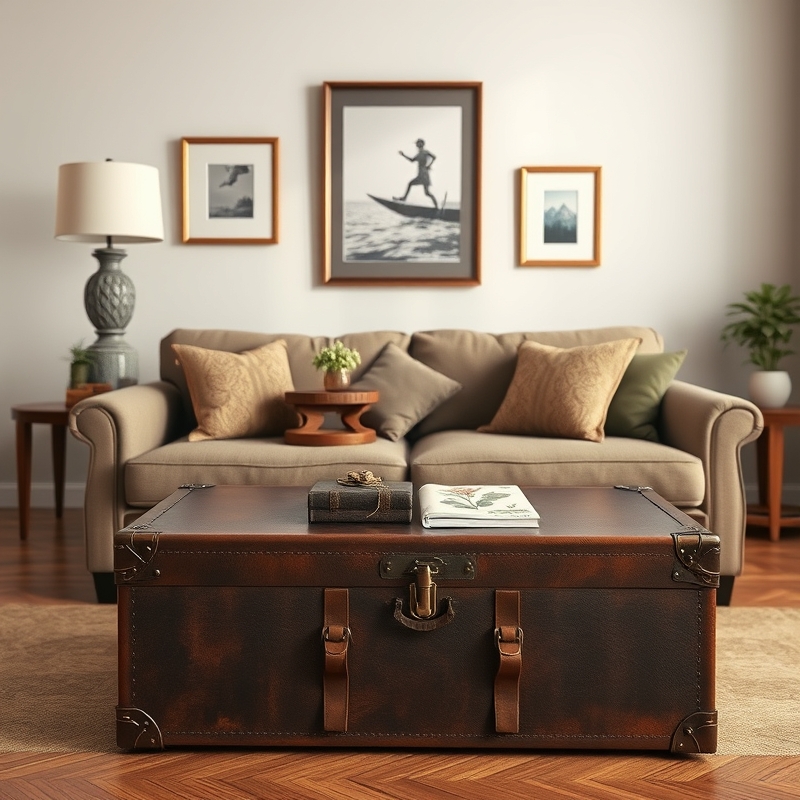
A vintage trunk functions as both storage and sculptural focal point, adding character impossible to achieve with conventional coffee tables. Source trunks from antique shops, estate sales, or online marketplaces for $80 to $300 depending on condition and material. Size matters—aim for 28 to 32 inches wide so it fits proportionally in compact spaces. Store blankets, board games, or seasonal décor inside while displaying a curated collection of books, candles, and objects on top. This approach delivers sophisticated charm while solving the storage problem that plagues small living room ideas. The trunk becomes a conversation piece that feels far more expensive than basic furniture.
16. Glass Shelving for Decor Display
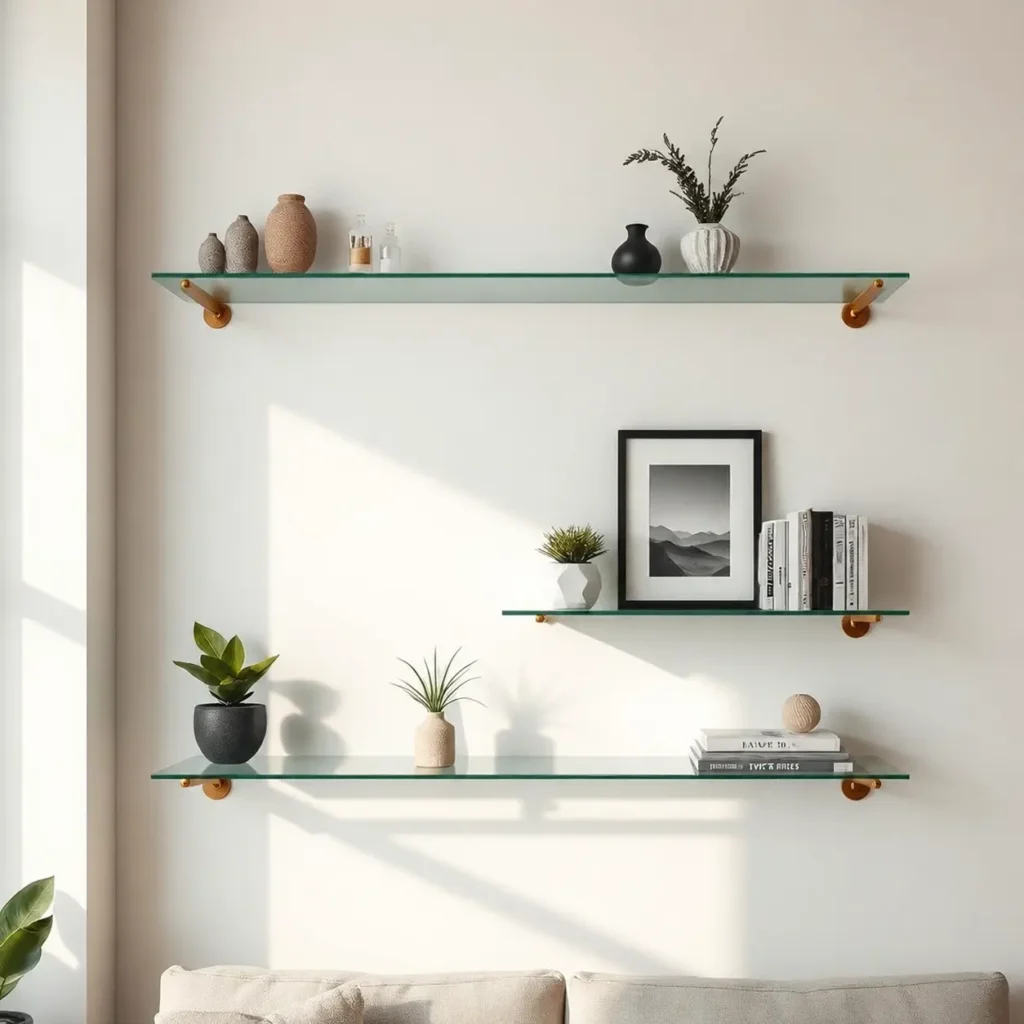
Glass shelves disappear visually while showcasing objects in front, creating the illusion of floating décor without support visible from most angles. Install shelves with brass or black metal brackets at 10 to 12-inch intervals up a feature wall, leaving space for art or a mirror above. Glass shelving costs $30 to $100 per shelf installed. Curate what you display ruthlessly—every object should earn its place through beauty or sentimentality. This approach works beautifully for styling small living room ideas because the transparent surface maintains visual openness while displaying personality through thoughtfully chosen pieces that reflect your taste.
17. Monochromatic Layering for Small Living Room Ideas
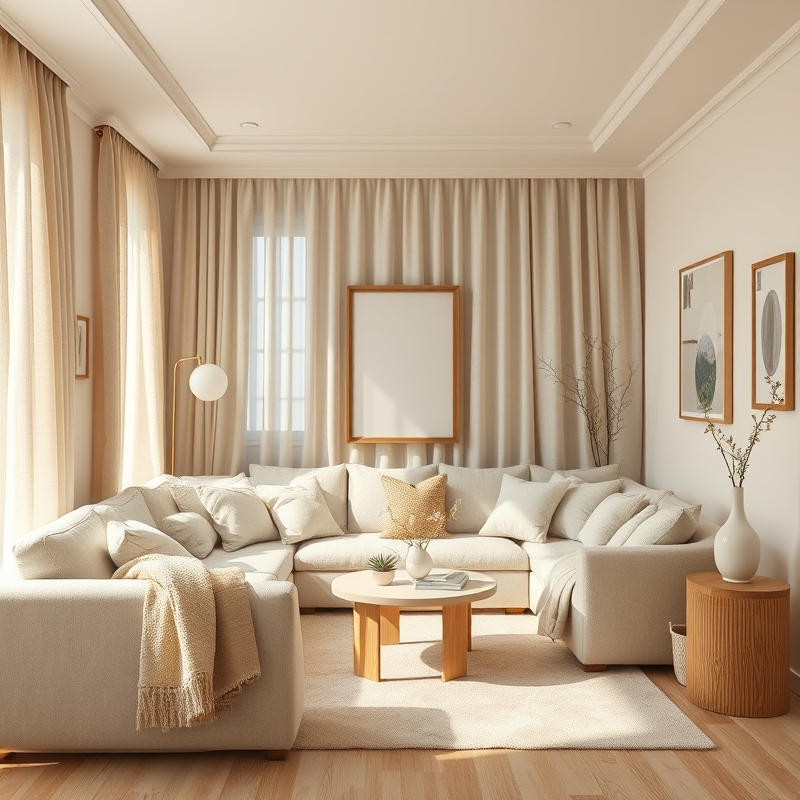
Staying within one color family—creams, beiges, grays, or warm whites—creates visual harmony that expands perceived space and feels instinctively expensive. Layer textures aggressively through linen, wool, velvet, leather, and natural wood to prevent monochromatic schemes from feeling flat or sterile. Use metals like brass, copper, or matte black in fixtures and hardware to add contrast without color. This restraint-based approach costs nothing if you already own furnishings and simply reorganize by color story. The result feels designer-curated and intentional rather than random, proving that sophisticated small living room ideas prioritize cohesion and thoughtful composition over colorful variety.
Final Thoughts
These 17 small living room ideas prove that constraint breeds creativity and intentionality breeds luxury. From floor-to-ceiling curtains and oversized mirrors that stretch space, to layered lighting and monochromatic styling that unify rooms, each strategy works because it prioritizes visual openness and purposeful design. Your small space doesn’t need to feel like a compromise—it becomes an advantage when every piece serves both function and aesthetic.
Start with the ideas that excite you most, and layer them together over time.
Frequently Asked Questions
How can I make my small living room look bigger?
Use vertical design elements like floor-to-ceiling curtains and wall-mounted shelving to draw the eye upward. Mount mirrors opposite windows to reflect light and expand visual space. Choose furniture with exposed legs, transparent pieces like lucite, and neutral colors that create sight lines uninterrupted by visual clutter. Keep surfaces clean and implement hidden storage solutions to minimize visual weight throughout the room.
What colors make a small living room look expensive?
Neutral palettes in cream, beige, gray, and soft white feel inherently sophisticated and expensive while making small living room ideas feel larger. Layer textural richness through materials rather than relying on color variation. Jewel-tone accents in emerald, sapphire, or burgundy add luxury when used strategically on single pieces like an accent chair or artwork rather than overwhelming entire rooms.
Can I use a sectional sofa in a small living room?
Traditional deep sectionals overwhelm small spaces visually and physically. Instead, choose a slim-profile sofa 72 inches or smaller with shallow 30 to 32-inch depth and tapered legs that show floor beneath. If you need seating capacity, pair a loveseat or compact sofa with an accent chair rather than forcing a large sectional into limited square footage.
Which furniture arrangement works best for small living rooms?
Floating furniture away from walls creates intentional zones and paradoxically makes small living room ideas feel larger by establishing conversation areas. Position seating to face each other or the focal point rather than pushing everything against walls. Use ottomans and trunks for flexible seating and hidden storage. Leave walking pathways clear and unobstructed for visual and physical flow.
How do I add storage without cluttering a small living room?
Invest in dual-purpose furniture like ottomans with hidden storage, vintage trunks as coffee tables, and built-in shelving that uses vertical space. Wall-mounted floating consoles and closed cabinetry hide clutter completely. Use glass shelving to display curated collections without visual bulk. Organize ruthlessly and remove items that don’t serve function or beauty, keeping only meaningful pieces visible.