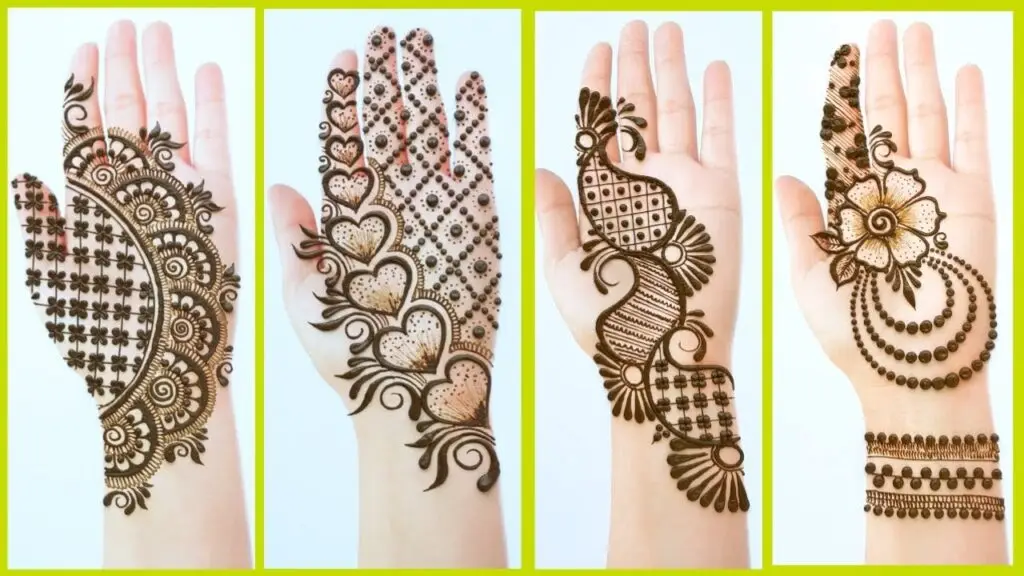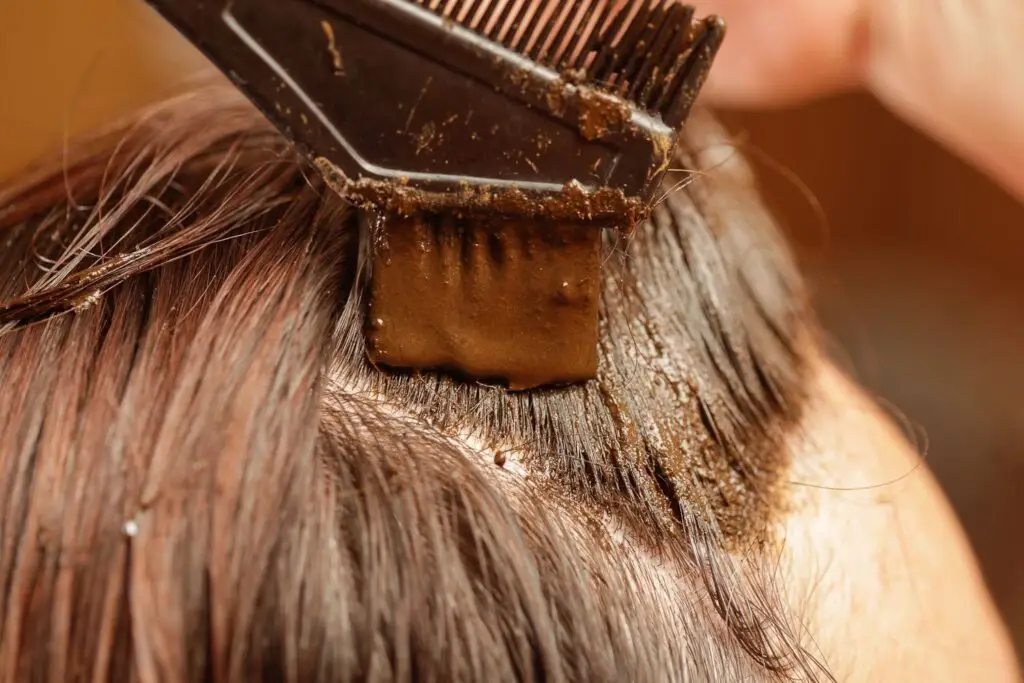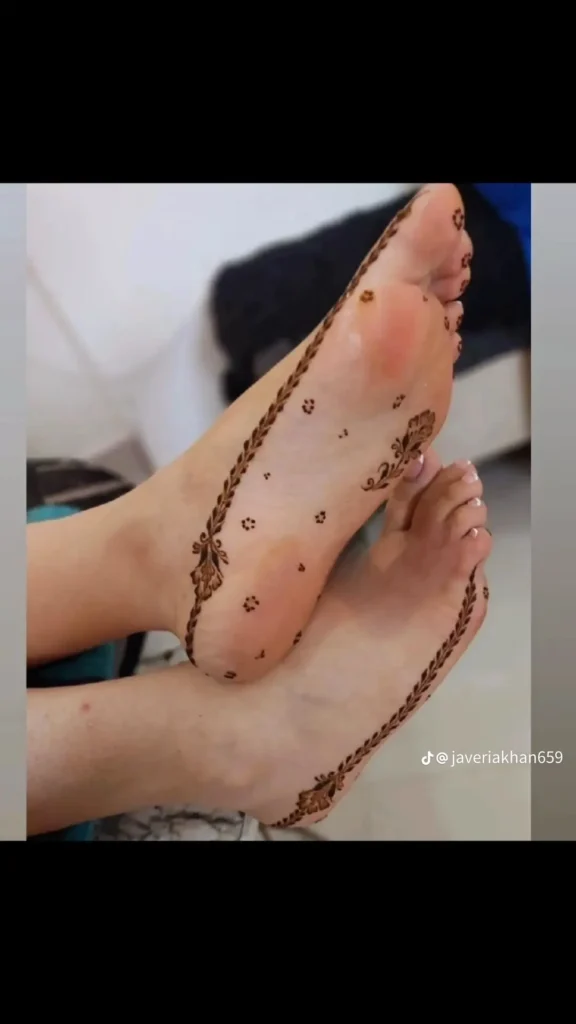
Let me be honest with you—I’ve been exactly where you are.
You spend hours choosing the perfect mehndi design, watching the artist create magic on your skin, only to wake up the next day to a pale, disappointing stain that looks nothing like what you imagined. If this has happened to you, trust me—you’re not alone.
I’ve had mehndi fade within two days, and I’ve also had it last beautifully for more than two weeks. The difference wasn’t the artist or the henna paste.
It was what I did after.
Here’s the truth most people don’t tell you: applying mehndi is only half the journey. The real magic happens in the hours and days that follow.
Whether you’re a bride dreaming of deep, dark henna for your wedding, a mother preparing for Eid celebrations, or someone who simply loves wearing mehndi—these aftercare tips will completely change your results.
What Is Mehndi and Why Does the Color Matter So Much?
Mehndi isn’t just a temporary tattoo or a beauty trend. In my family, it has been part of every celebration I can remember. My grandmother used to say that the darkness of a bride’s mehndi reflects the depth of love in her marriage.
While that sounds poetic, there’s cultural truth behind it.
Across South Asia, the Middle East, and North Africa, dark mehndi symbolizes blessings, happiness, and prosperity.
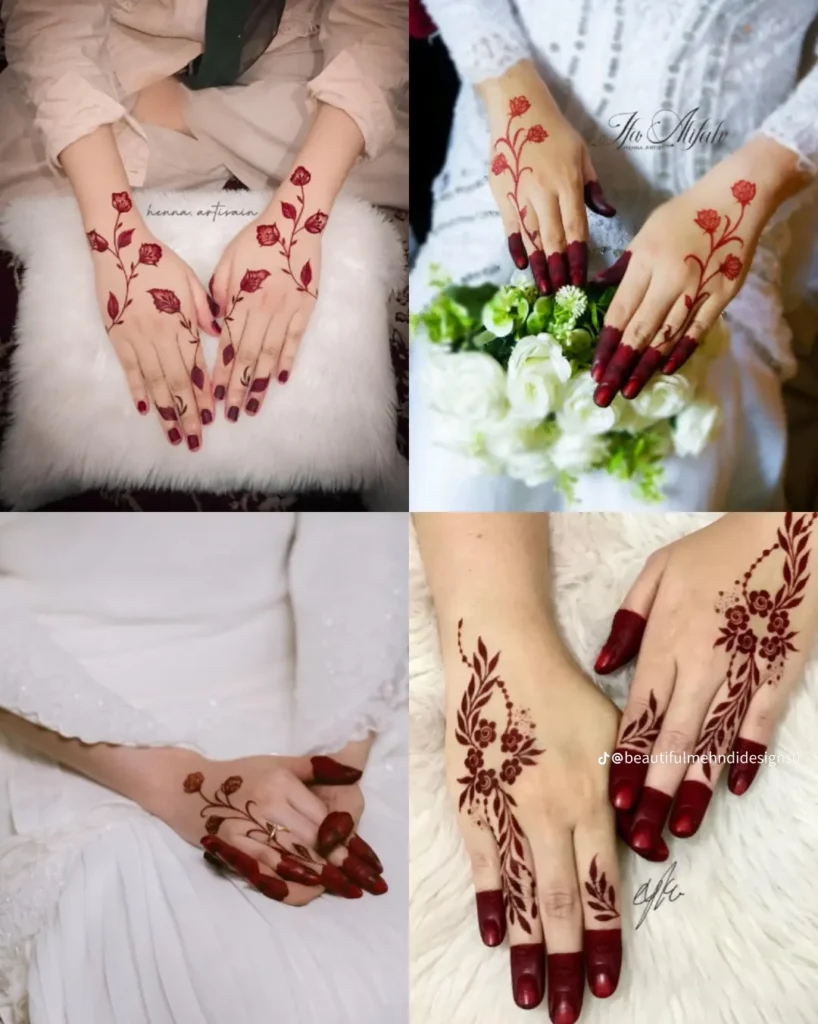
The Science Behind Mehndi Color
Mehndi comes from the henna plant. When applied, it doesn’t simply sit on the skin—it slowly bonds with skin proteins.
Think of it like brewing tea:
- A quick dip gives you weak tea
- Letting it steep creates a rich, deep color
Henna works the same way.
Why Most People’s Mehndi Fades Too Fast
I’ll never forget my cousin’s wedding. Her bridal mehndi was stunning—flowers, peacocks, hidden initials. But by the wedding day, it looked washed out.
Why?
She washed her hands just three hours after removing the paste because she was worried about the “orange stage.”
Big mistake.
Common Reasons Mehndi Fades Quickly
- Washing hands too soon (the #1 mistake)
- Using hand sanitizer (alcohol is henna’s enemy)
- Scrubbing or rubbing the design
- Low-quality or chemical henna
- Dry, unmoisturized skin
The good news? Every one of these mistakes is fixable.
Tip #1: Let the Paste Sit—Really Sit
Remember when elders told you to keep mehndi on overnight? They were right.
The longer the paste stays on your skin, the deeper the stain.
Best practice:
- Minimum 6–8 hours for regular mehndi
- Overnight for weddings or festivals
- Wrap gently with tissue or soft cloth—never plastic
Plastic causes sweating, which can blur the design. Cloth allows airflow while keeping the paste moist.
Tip #2: Use Natural Oils (This Is Non-Negotiable)
After scraping off the dried paste (gently!), do not wash your hands.
Apply oil immediately.
Best Oils for Mehndi Aftercare
- Mustard oil – Traditional, warming, very effective
- Coconut oil – Lightweight, moisturizing, pleasant scent
- Olive oil – Ideal for dry skin
- Eucalyptus oil – Use a few drops mixed with a carrier oil
❌ Avoid petroleum jelly and heavily scented lotions—they block oxidation and weaken color.
Tip #3: Follow the 24-Hour Water Rule
This is the hardest but most important step.
Avoid water for at least 24 hours after removing the paste. Water interrupts oxidation—the process that turns orange henna into deep brown.
This includes:
- Hand washing
- Showering (use gloves if needed)
- Swimming
- Excessive sweating
If absolutely necessary, gently clean non-mehndi areas with a damp cloth—do not rub.
Tip #4: Heat Is Your Secret Weapon
Henna loves warmth. That’s why summer mehndi often turns darker.
You can enhance this by:
- Sitting near a heater (not too close)
- Holding warm cups of tea or coffee
- Traditional clove smoke (heat helps, cloves are symbolic)
Tip #5: Avoid Soap for the First 48 Hours
Most soaps contain sulfates that strip the skin—and your henna color with it.
When you must wash:
- Use mild soap
- Avoid scrubbing
- Pat dry (never rub)
- Apply oil immediately
Tip #6: Moisturize Like It’s a Ritual
Dry skin sheds faster, taking your mehndi with it.
- Start moisturizing one week before applying mehndi
- After paste removal, apply oil 2–3 times daily
- Use a thin layer—no overdoing it
Consistency matters more than quantity.
Tip #7: Protect Your Mehndi Design
In the first few days, mehndi is delicate.
Avoid:
- Tight sleeves or friction
- Household chores (wear gloves)
- Excessive typing
- Hand sanitizer (yes—still the enemy)
For Brides
Get your mehndi done 2–3 days before the wedding. Day two is when the color looks its best.
What Works vs Old Myths
✔ Lemon-sugar mixture: Helps keep paste moist—not a miracle darkener
✔ Clove smoke: Heat helps, but optional
❌ Instant black henna: Dangerous chemicals—never use
Natural henna is reddish-brown and takes time. Anything that stains black instantly is unsafe.
Mehndi Color Timeline: What to Expect
- 0–6 hours: Paste on, color developing
- 6–24 hours: Light orange (don’t panic!)
- Days 1–3: Darkening phase
- Days 4–7: Peak color
- Week 2: Gradual fading
Advice for Brides
- Do a patch test one month before
- Apply mehndi at least 48 hours before the event
- Ask someone to remind you not to wash your hands
- Keep oil in your bridal emergency kit
Final Thoughts (From Experience)
I’ve ruined beautiful mehndi by washing dishes too soon—and I’ve also followed these steps and received compliments two weeks later.
Your mehndi tells a story of celebration, tradition, and beauty. With proper care, that story lasts longer.
Patience isn’t just part of mehndi aftercare—it is the secret.
Frequently Asked Questions
Q: My mehndi is orange—did it fail?
No. This is completely normal. It darkens in 48 hours.
Q: Can I speed up darkening?
Heat helps, but time matters most.
Q: How do I make mehndi last longer on feet?
Feet stain darker due to warmth. Moisturize and avoid open footwear initially.
Q: What if I have an urgent event?
Apply mehndi at least 36–48 hours in advance.
Q: Can faded mehndi be fixed?
Light touch-ups are possible, but prevention is best.