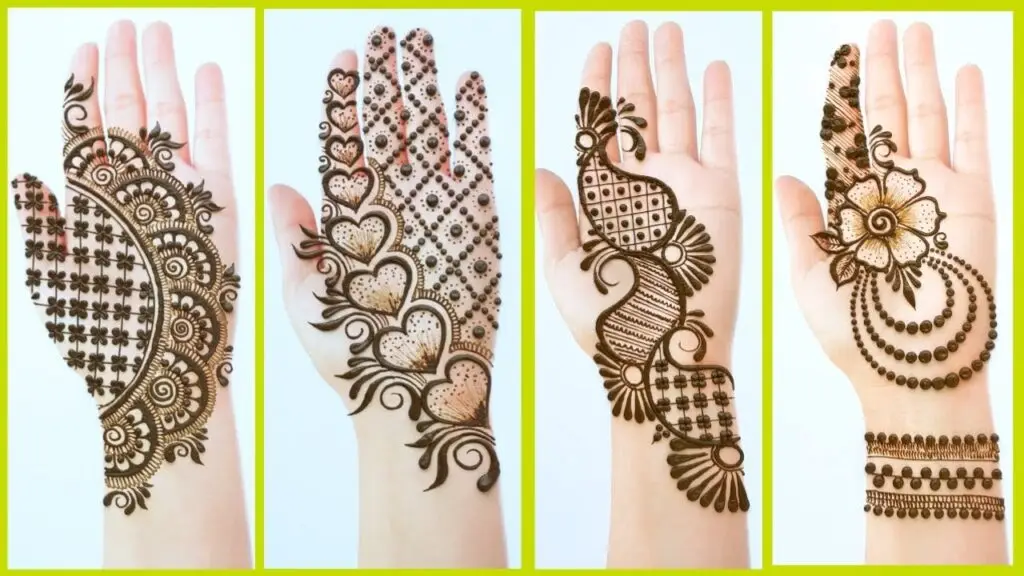
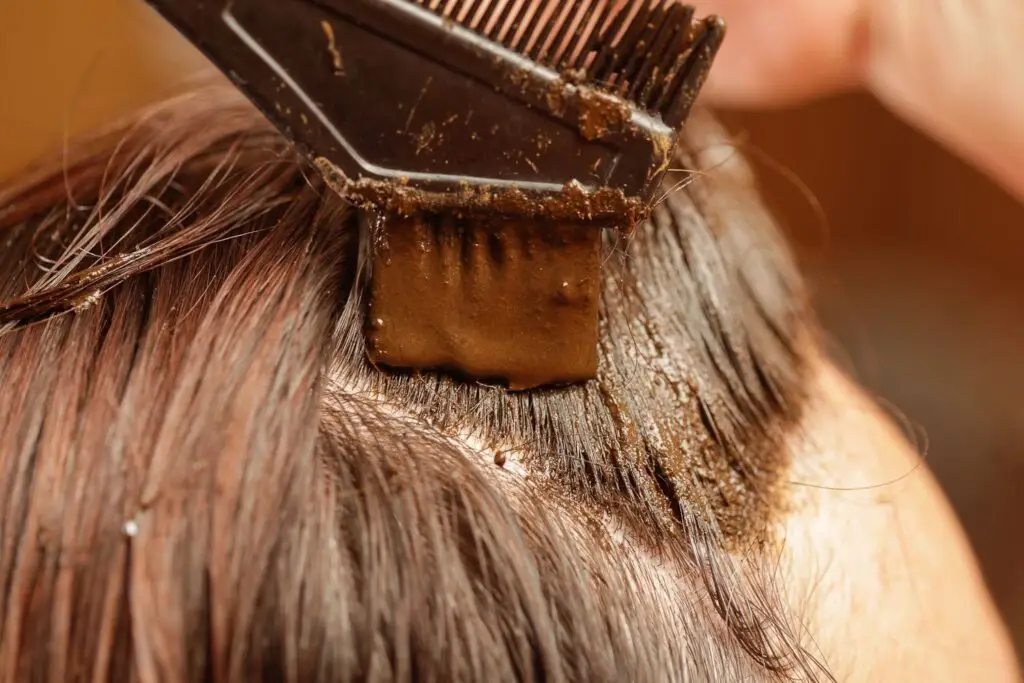
Discover the Art of Homemade Henna
For centuries, henna has adorned skin and hair across cultures—from intricate bridal designs to natural hair treatments. Today, many store-bought henna cones contain questionable additives and chemicals.
Learning how to make natural henna paste at home puts you back in control—ensuring purity, deeper color, and an authentic, traditional experience. This complete guide walks you through everything, from choosing high-quality henna powder to mastering five proven DIY henna recipes for long-lasting, beautiful results.
What Exactly Is Henna and Why Use It?
Henna is derived from the Lawsonia inermis plant. The dried leaves are finely ground into a green powder that releases a natural reddish-brown dye.
Henna is celebrated for:
- Its cooling properties
- Cultural and spiritual significance
- Being a skin-safe alternative to chemical dyes
It is commonly used for body art, hair coloring, and scalp care.
Top Benefits of Homemade Henna Paste
Making your own henna paste offers many advantages:
- Chemical-free assurance: You control every ingredient
- Darker, richer stains: Fresh paste stains better than pre-made cones
- Cost-effective: Bulk ingredients save money
- Customizable formulas: Adjust recipes for sensitive skin, faster dye release, or deeper color
Choosing the Right Henna Powder: A Buyer’s Guide
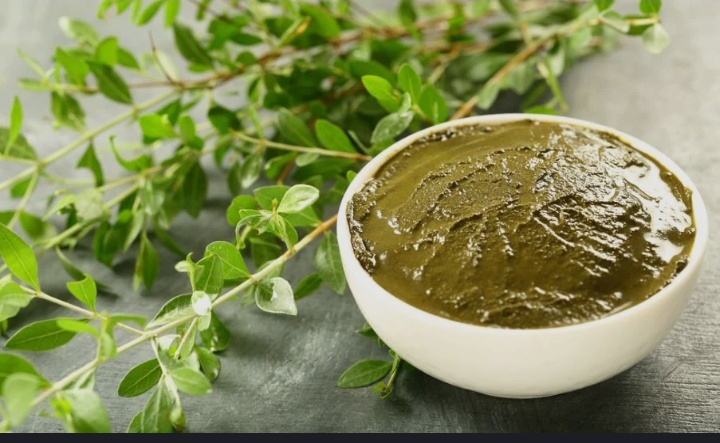
How to Identify High-Quality Henna Powder
Your results depend heavily on the quality of henna powder. Look for:
- Bright green color (not brown or gray)
- Very fine, smooth texture
- Fresh, earthy smell (never chemical or musty)
- Recent crop date (ideally within 1 year)
BAQ Henna vs Regular Henna
BAQ (Body Art Quality) Henna is specially processed for skin use and is free from chemicals and additives.
Non-BAQ henna may contain fillers and is not safe for skin application.
👉 Always choose BAQ-certified henna for body art.
Proper Henna Powder Storage Tips
To preserve freshness and dye strength:
- Store in an airtight container
- Keep away from heat, light, and moisture
- Refrigeration can extend freshness up to 2 years
Must-Have Ingredients for Perfect Henna Paste
Choosing Your Liquid Base
The liquid affects stain depth and skin comfort:
- Lemon juice – promotes darker stains
- Strong black tea – adds tannins for richer color
- Distilled water – best for sensitive skin
- Rose or lavender water – gentle scent
Natural Essential Oils That Enhance Color
Essential oils help release dye and deepen color:
- Eucalyptus oil – best for strong stain
- Lavender oil – soothing and balanced
- Tea tree oil – antibacterial
- Cajeput or neem oil – traditional options
The Role of Sweeteners
Sugar or honey helps:
- Improve paste adhesion
- Prevent cracking
- Create smoother application
Essential Tools for Homemade Henna
Basic Kitchen Tools
- Glass or stainless-steel bowl
- Plastic wrap or airtight lid
- Wooden or plastic spoon
- Fine-mesh sieve
Professional Tools (Optional)
- Henna cones or applicator bottles
- Piping bags
- Digital scale
- Glass jars for storage
Recipe 1: Classic Lemon-Sugar Henna Paste
Ingredients
- 100g BAQ henna powder
- Fresh lemon juice (about ¾ cup)
- 1 tsp sugar
- 7–10 drops eucalyptus essential oil
Step-by-Step Instructions
- Sift henna powder into a non-metal bowl
- Slowly add lemon juice while stirring
- Mix until toothpaste-like consistency
- Add sugar and essential oil
- Cover and rest for 8–12 hours at room temperature
Pro Tips for Darker Stains
- Keep paste warm (around 30°C / 85°F)
- Test on skin—orange stain means it’s ready
- Optional: add 1 tbsp instant coffee powder
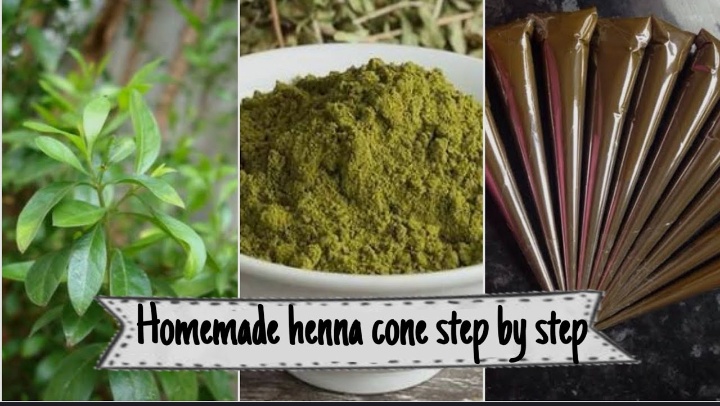
Recipe 2: Tea-Infused Henna for Richer Color
Black tea contains tannins that deepen henna color and reduce irritation.
Method
- Brew 2 black tea bags in 1 cup boiling water
- Let cool completely
- Use instead of lemon juice
- Add 5 drops lavender oil
Recipe 3: Essential Oil–Boosted Premium Paste
Best Oils for Henna
- Eucalyptus – maximum stain
- Lavender – soothing
- Cajeput – antimicrobial
- Geranium – floral scent
Use 12–15 total drops, or blend oils for best results.
Recipe 4: Gentle Henna for Sensitive Skin
Best For
- Sensitive or eczema-prone skin
- Citrus allergies
Instructions
- Replace lemon juice with chamomile tea
- Skip sugar or use 1 tsp honey
- Use only 2–3 drops lavender oil
- Always patch test 24 hours before use
Recipe 5: Quick-Release Emergency Henna Paste
Perfect for last-minute events.
Method
- Use warm (not hot) liquid
- Rest for only 2–3 hours
- Apply immediately
⚠️ Color will be lighter but still beautiful
Understanding Dye Release (The Waiting Game)
Henna dye (lawsone) needs time to release.
Signs Henna Is Ready
- Dark orange/brown surface layer
- Paste darkens overall
- Immediate orange stain on skin
- Earthy aroma
Professional Application Tips
Before Application
- Clean, oil-free skin
- Light exfoliation
- Ensure skin is completely dry
Aftercare
- Let paste dry 4–6 hours
- Seal with lemon-sugar mix
- Avoid water for 24 hours
- Moisturize daily
Common Henna Mistakes to Avoid
Paste Consistency Issues
- Too thick → cracking
- Too thin → bleeding
✔ Aim for smooth toothpaste texture
Never Use
- “Black henna” (PPD)
- Hair dye
- Metallic containers
- Synthetic colorants
Storing Leftover Henna Paste
- Room temperature: 24–48 hours
- Refrigerator: 1–2 weeks
- Freezer: 3–6 months
Best Practice: Freeze filled cones, thaw overnight, never refreeze.
Natural Henna vs Chemical “Black Henna”
Chemical black henna often contains PPD, which can cause:
- Severe allergies
- Burns
- Permanent scarring
✔ Natural henna is safe, biodegradable, and skin-friendly.
Final Thoughts: Embrace the Tradition
Making natural henna paste at home reconnects you with an ancient, beautiful tradition. With patience, proper ingredients, and correct aftercare, you can achieve stunning, long-lasting results—safely and naturally.
Start with the Classic Lemon-Sugar Recipe and experience the joy of true henna artistry.
Frequently Asked Questions (FAQs)
How can I make my henna stain darker?
Allow full dye release, keep paste warm, apply to clean skin, and avoid water for 24 hours.
Can I use bottled lemon juice?
Fresh is best, but bottled works if preservative-free.
Why does henna fade quickly?
Frequent washing and dry skin reduce stain life.
Is henna safe during pregnancy?
Generally yes, but avoid strong essential oils—consult your doctor.
Can I add indigo to skin henna?
No. Indigo is for hair only and does not stain skin safely.